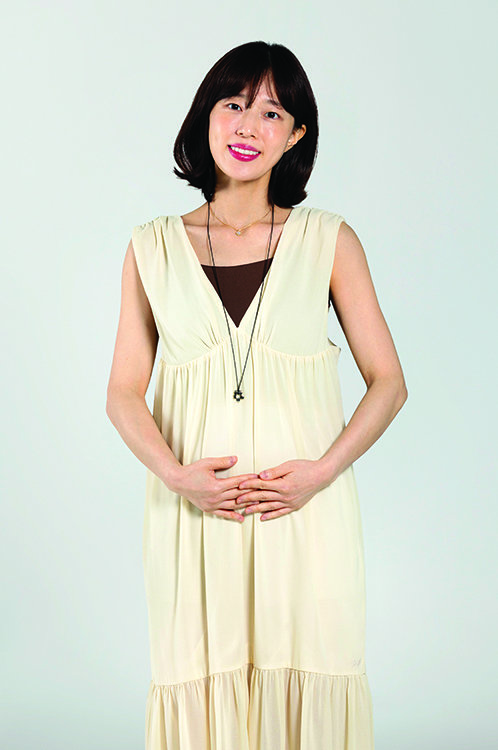
The contemporary conversation surrounding modern family life often focuses heavily on economic strain and declining birth rates, yet specific households continue to navigate the profound joys and complex logistics of raising large families. Writer Yoo Su-yeon, known for sharing insights into domestic life and parenting, recently drew widespread public attention with the announcement of her fifth pregnancy. Through essays and public discussions, Yoo explores the daily realities, emotional highs, and logistical coordination required to sustain a bustling household, focusing in particular on the symbolic and practical value of gathering around a shared table.
As discussions around demographic shifts and family structures evolve across South Korea, multi-child households present a unique lens through which cultural values around community, shared meals, and sibling relationships are examined. Yoo’s reflections highlight how the simple act of preparing and sharing meals serves as an anchor for a large family, fostering connection amidst the chaotic schedules of five children. This perspective offers a distinct contrast to prevailing urban lifestyle trends, emphasizing instead the enduring appeal of traditional domestic warmth and collective family engagement.
Navigating the Realities of a Multi-Child Household
Raising multiple children involves intricate daily management, from meal preparation to coordinating educational schedules. According to public interviews and essays shared by Yoo, the decision to expand her family further is rooted in a desire to cultivate a lively, supportive environment where siblings learn cooperation and mutual care. Rather than focusing solely on the financial and physical demands, her writing details the emotional rewards of witnessing children grow up together in a crowded, active home.
The announcement of her fifth pregnancy has resonated with readers interested in contemporary parenting narratives, particularly at a time when South Korea’s total fertility rate remains among the lowest in the world. While national policymakers grapple with economic incentives to encourage childbirth, personal accounts like Yoo’s provide an intimate look at the intrinsic motivations that inspire some parents to embrace large families despite societal pressures.
The Cultural Significance of the Shared Table
At the center of Yoo’s domestic philosophy is the concept of the dining table as a space for emotional bonding. In her published works, she frequently returns to the imagery of the “table’s warmth,” representing not just physical nourishment but also family unity, communication, and shared memory. Preparing meals for a large household requires deliberate planning, yet these routine tasks transform into meaningful rituals that anchor the family’s daily rhythm.
Food sociologists and family counselors often note that regular family meals correlate with stronger emotional resilience in children. By prioritizing shared dining times, Yoo’s household maintains a structured environment where every member has a voice. This focus on the dining table addresses a broader cultural concern about modern fragmentation, where busy schedules often pull family members apart.
Public Reception and Broader Demographic Context
Yoo’s public sharing of her family life has sparked varied discussions online, reflecting both admiration for her domestic dedication and realistic debates regarding the costs of raising children today. Public commentary often highlights the stark contrast between the realities of multi-child parenting and the broader societal trend toward single-person households and small families.
Official data from Statistics Korea consistently illustrate the ongoing demographic challenge facing the country, with birth rates continuing to decline despite substantial government expenditures on family support policies. Within this macroeconomic framework, individual narratives from writers like Yoo offer a human-scale perspective on parenting choices, emphasizing personal fulfillment and family culture over statistical trends.
Readers and followers seeking further updates on Yoo Su-yeon’s writing projects and family essays can find published collections through major domestic bookstores and literary platforms. As she prepares for the arrival of her fifth child, her ongoing accounts continue to contribute valuable dialogue to contemporary discussions on family life in South Korea.
What are your thoughts on how modern families balance busy schedules with shared traditions? We invite you to share your perspectives and join the conversation in the comments below.
Related reading