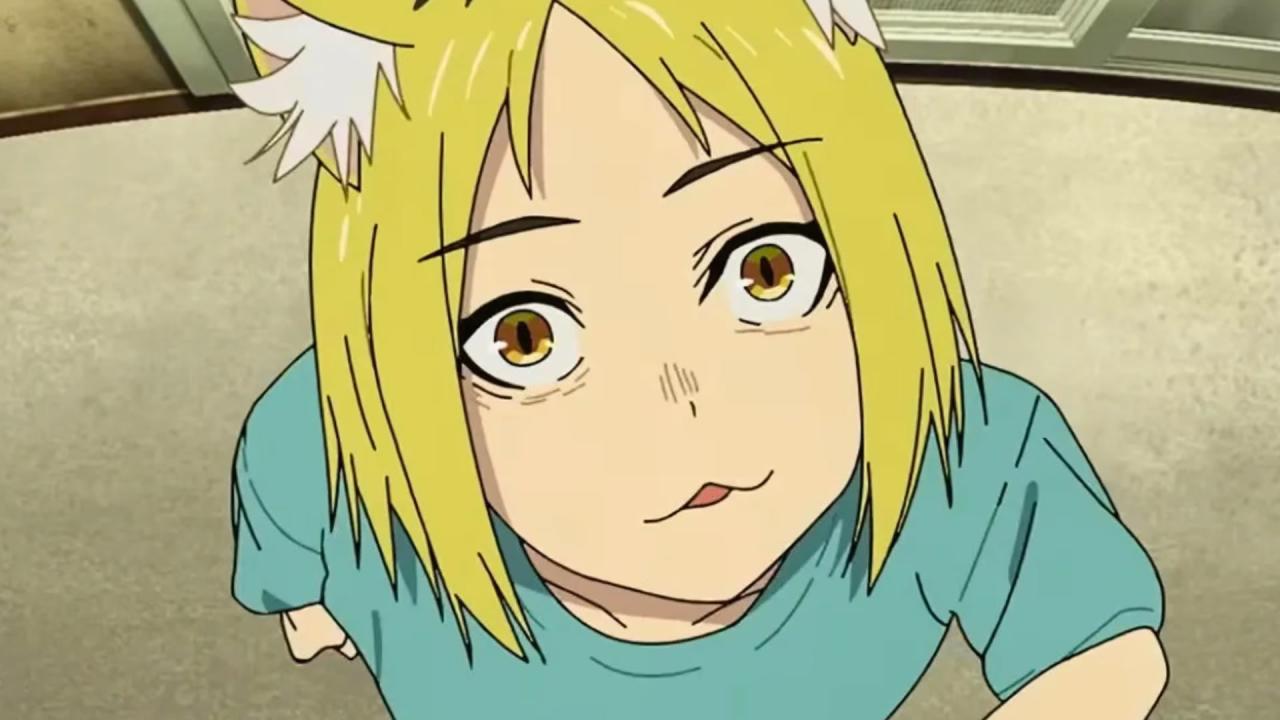
The anime series Yani Neko will proceed without censorship following a wave of complaints and subsequent reviews in Japan, according to reports from industry trackers and community forums. The decision comes after initial concerns regarding the show’s content sparked a debate over creative expression and broadcast standards within the Japanese animation industry.
The controversy surrounding Yani Neko centers on the tension between artistic intent and the strict guidelines often imposed by Japanese broadcasting committees and streaming platforms. While specific complaints initially led to threats of censorship, the production team and distributors have opted to maintain the original vision of the work, citing the importance of the author’s intent.
The Dispute Over Content and Censorship in Yani Neko
The conflict began when viewers and certain advocacy groups raised objections to specific visual elements and themes within the series. In Japan, the balance between “fan service” and prohibited content is often governed by internal guidelines from networks like Tokyo MX or BS11, as well as the regulations of the Broadcasting Ethics & Program Improvement Organization (BPO). According to community reports on anime news aggregators, the complaints against Yani Neko targeted scenes that some viewers found excessive or inappropriate for its designated time slot.
Censorship in anime typically manifests as “light beams,” blurred frames, or altered character designs. For Yani Neko, the possibility of these edits created a divide among the fanbase. Supporters of the series argued that altering the work would diminish its quality and betray the original manga’s spirit, while critics pushed for modifications to align with broader public decency standards.
How the Series Avoided Edits
The resolution to keep Yani Neko uncensored is attributed to a combination of strong fan support and the strategic distribution of the series. By leveraging platforms that allow for more flexible content guidelines than traditional terrestrial television, the producers were able to bypass the most restrictive demands. According to reports from anime community hubs, the production committee determined that the complaints did not warrant a full-scale revision of the episodes.
This outcome reflects a growing trend in the Japanese anime industry where “uncut” versions are prioritized for Blu-ray releases or specialized streaming services. This dual-track system allows studios to satisfy broadcast regulators while still providing the original, uncensored content to the core audience who purchased the home media or subscribed to premium services.
The Broader Impact on Japanese Animation Standards
The case of Yani Neko highlights the ongoing struggle between traditional censorship and the globalized nature of anime consumption. As Japanese content reaches a worldwide audience via platforms like Crunchyroll or Netflix, studios are increasingly weighing the demands of local Japanese regulators against the expectations of a global fanbase that often prefers uncensored versions of the source material.
Industry analysts note that when a series “saves itself” from censorship through public outcry, it reinforces the power of the consumer in the production cycle. This shift suggests that production committees are becoming more sensitive to the backlash that occurs when a beloved property is altered for television, often leading to a “broadcast version” and a “director’s cut” to appease both parties.
For readers tracking the status of the series, official updates regarding episode releases and distribution platforms are typically posted on the anime’s official Japanese website or through verified social media accounts associated with the production studio.
Share your thoughts on the balance between censorship and creative freedom in anime in the comments below.
Related reading