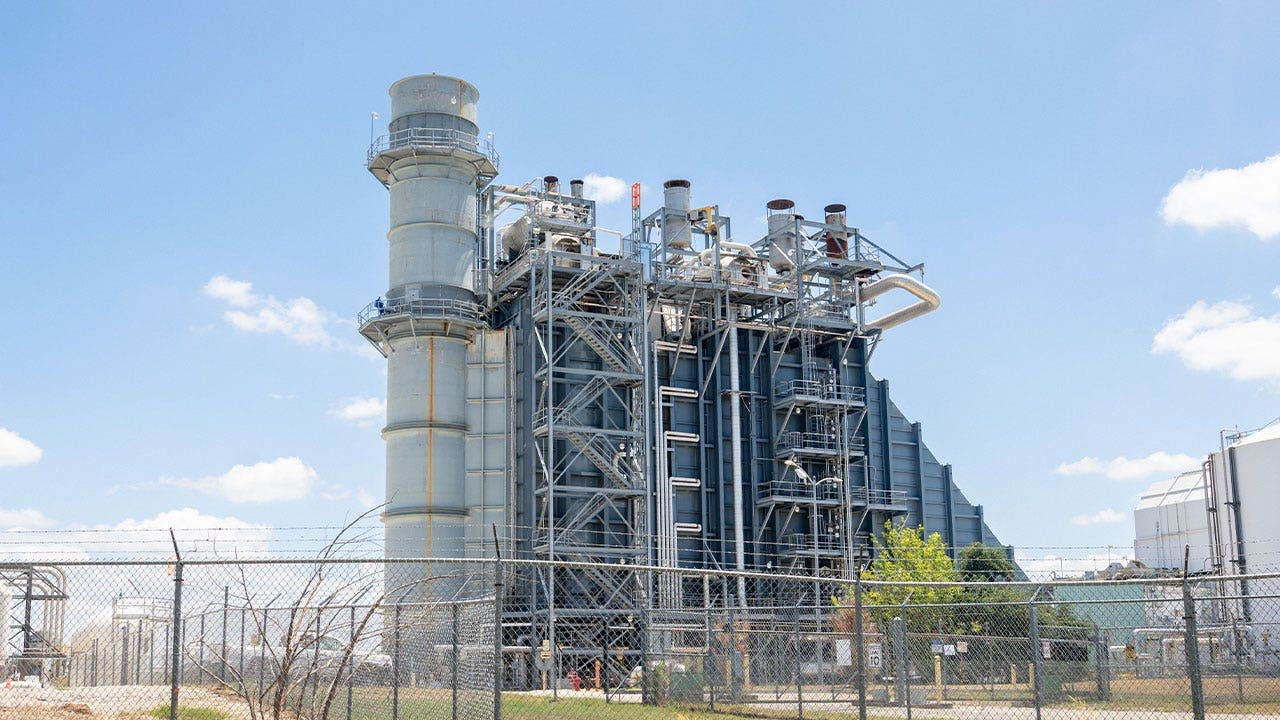
The machinery keeping the American power grid operational is facing strain as aging infrastructure collides with a surge in electricity demand. For two decades, U.S. electricity consumption remained remarkably flat, falling roughly 1% between 2010 and 2020 as energy-efficient technologies like LEDs and tightening appliance standards offset the draw of new construction. Utilities and equipment manufacturers treated this plateau as a permanent baseline rather than an intermission, scaling back capital investments, winding down domestic manufacturing lines, and allowing skilled labor pipelines to dry up.
That static environment shattered after 2020, when U.S. electricity consumption reversed course and climbed about 7%. The sudden acceleration was driven by the rapid buildout of energy-hungry data centers, industrial reshoring, broader electrification efforts, and grid-hardening initiatives. According to industry data, demand for large power transformers—critical components through which virtually all of America’s electricity passes—surged 116% since 2019, sparking severe supply chain bottlenecks that threaten reliability across the nation.
Aging Infrastructure and Severe Supply Chain Constraints
The physical backbone of the American electrical system is rapidly approaching the end of its intended operational lifespan. According to industry assessments, the average power transformer currently humming away on the grid is 38 years old, and more than 70% of the active fleet has exceeded 25 years of service. Replacing these aging units has become extraordinarily difficult due to a hollowed-out domestic manufacturing base.
Roughly 80% of large power transformers installed in the United States are now imported, leaving domestic utilities vulnerable to foreign supply chain disruptions. Furthermore, grain-oriented electrical steel—the specialized material required to build transformer cores—relies on a single remaining domestic producer. These bottlenecks have stretched lead times for standard power transformers to nearly two and a half years, while larger units connecting power plants to the grid face even longer delays. Consequently, equipment prices have climbed more than 77% since 2019, compounding the financial pressure on utility operators trying to modernize simultaneous with historic load growth.
The Human Capital Deficit and Tribal Knowledge
While hardware shortages regularly make headlines, the human capital deficit poses an even greater long-term threat. Designing, winding, and testing high-voltage power transformers requires specialized craftsmanship and technical knowledge that is rarely taught in modern university engineering curricula. As software and artificial intelligence attracted generations of engineering students over the past two decades, traditional power-engineering programs steadily shrank.
Expertise in winding coils, engineering magnetic cores, and executing high-voltage acceptance tests is largely tribal knowledge, passed down directly on factory floors by master winders, test engineers and veteran metallurgists. This workforce is aging rapidly; roughly half of the utility workforce is now over 45, with a substantial portion eligible to retire within the decade. While a new manufacturing plant can be constructed in a matter of years, training an experienced winder requires a generational commitment that cannot be rushed.
Regulatory Scrutiny and Future Grid Reliability
In Texas, Governor Greg Abbott effectively paused new data center projects pending a statewide grid audit, reflecting growing anxiety over whether regional supplies can keep pace with unbridled digital expansion. Energy forecasters project that electrical load will continue climbing steadily through 2050, requiring sustained capital injections into generation, transmission hardware, and workforce development programs.
Industry analysts emphasize that securing the grid requires treating electricity transmission as a growth sector once again. This shift demands long-term procurement signals that allow manufacturers to justify expanding domestic production lines, alongside revived apprenticeship frameworks to rebuild lost industrial capabilities.
Worth a look