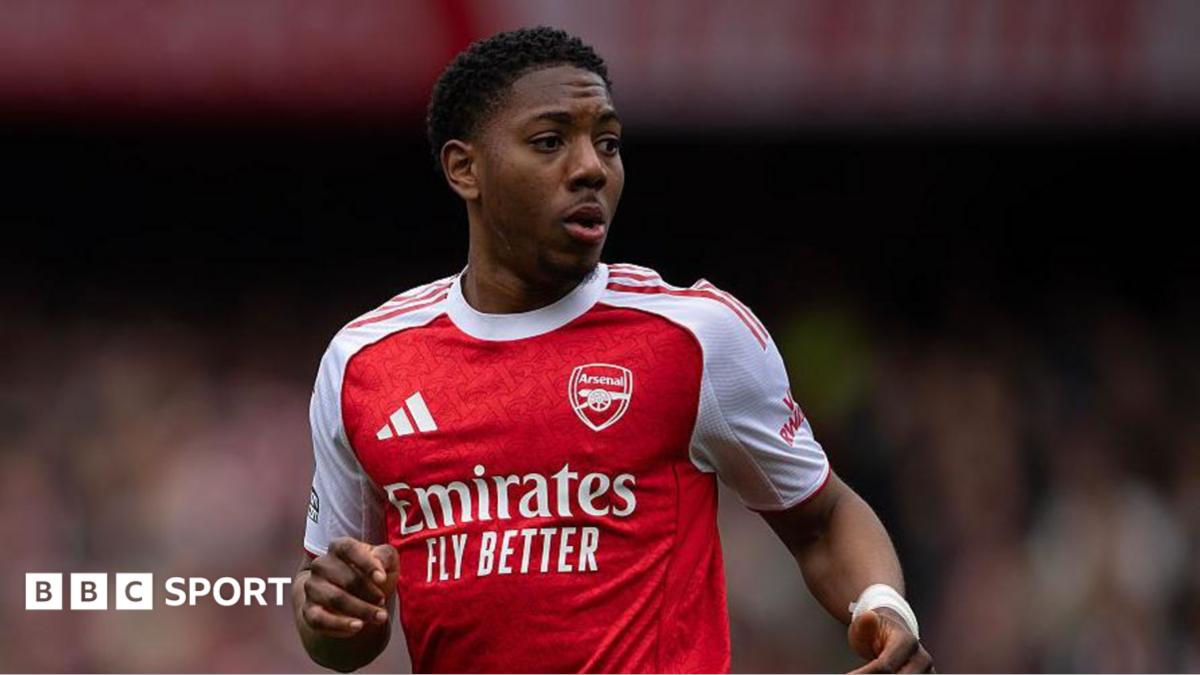
Arsenal defender Myles Lewis-Skelly has emerged as a dynamic first-team option under manager Mikel Arteta, sparking intense tactical discussions across English football regarding his long-term position. While the teenage academy product has predominantly broken into senior setups operating at left-back, his natural inclinations and formative years in the youth ranks point toward a future competing directly with Arsenal’s star-studded central midfield corps.
The 18-year-old’s rapid ascent through the Hale End academy system highlighted his technical security, physical maturity, and tactical intelligence. These attributes are precisely what initially caught the eye of the coaching staff. Yet, as analysts dissect his developmental trajectory, the debate centers on whether his ultimate ceiling lies in anchoring the flank or challenging established names like Declan Rice, Martin Ødegaard, and Thomas Partey for a coveted spot in the middle of the pitch.
Managing squad depth while developing elite prospects remains a delicate balancing act for Premier League contenders. For Arsenal, the emergence of a versatile homegrown talent who can seamlessly transition from defensive duties to central progression creates both tactical flexibility and healthy internal competition.
From Academy Midfielder to Premier League Left-Back
During his progression through Arsenal’s youth categories, Lewis-Skelly established a reputation as a technically gifted central midfielder capable of dictating the tempo and evading pressure in tight spaces. However, the modern demands of Mikel Arteta’s tactical system often require full-backs to invert into central areas during the build-up phase, providing a natural bridge for a midfielder playing out wide.
This tactical nuance allowed Lewis-Skelly to adapt quickly when opportunities arose in the senior squad. By sliding into the left-back role, he could utilize his defensive traits while still drifting inward to influence possession. According to tactical assessments from sports analysts, this hybrid role serves as an ideal incubator for young players transitioning to the physical intensity of top-flight football without exposing them immediately to the frantic traffic of central midfield.
Despite his effectiveness on the flank, observations from youth football watchers emphasize that the player’s primary vision has always revolved around orchestrating play from the center. This aspiration presents a fascinating challenge for the coaching staff as they map out his career progression.
Challenging Established Names in the Engine Room
Cracking Arsenal’s established midfield trio is a formidable task for any teenager. The squad features established internationals and high-profile signings who dictate the club’s tactical identity. Declan Rice provides defensive steel and ball-carrying dynamism, Martin Ødegaard orchestrates the final third as club captain, and veterans provide crucial experience.
For Lewis-Skelly to carve out regular minutes in his preferred central role, he must demonstrate that he can offer the defensive reliability and tactical discipline required to protect the backline against elite opposition. Analysts note that his ability to break the opponent’s first press through clever body orientation and sharp passing gives him a distinct profile that could eventually rival traditional holding and box-to-box options.
The internal competition pushes the entire squad forward. Established midfielders are acutely aware that a hungry, highly rated academy graduate is developing rapidly behind them, ready to capitalize on any rotation or dip in form.
Tactical Flexibility and What Lies Ahead
Versatility is frequently a blessing and a curse for young footballers. While it accelerates a player’s path to the first team by offering managers multiple solutions during an injury crisis, it can occasionally delay their specialization. For Lewis-Skelly, proving his capability across multiple positions enhances his value while the coaching staff evaluates his long-term positional home.
As Arsenal continues its campaign across domestic and European competitions, squad rotation will dictate opportunities for emerging talent. The upcoming fixture schedule offers crucial windows for players on the fringes to stake their claim in training and matchday squads.
Fans and analysts will monitor how Mikel Arteta manages the teenager’s development in the coming months. Join the conversation below by sharing your thoughts on whether Lewis-Skelly should be groomed primarily as a midfielder or kept as a versatile option across the defensive and middle third.
Keep reading