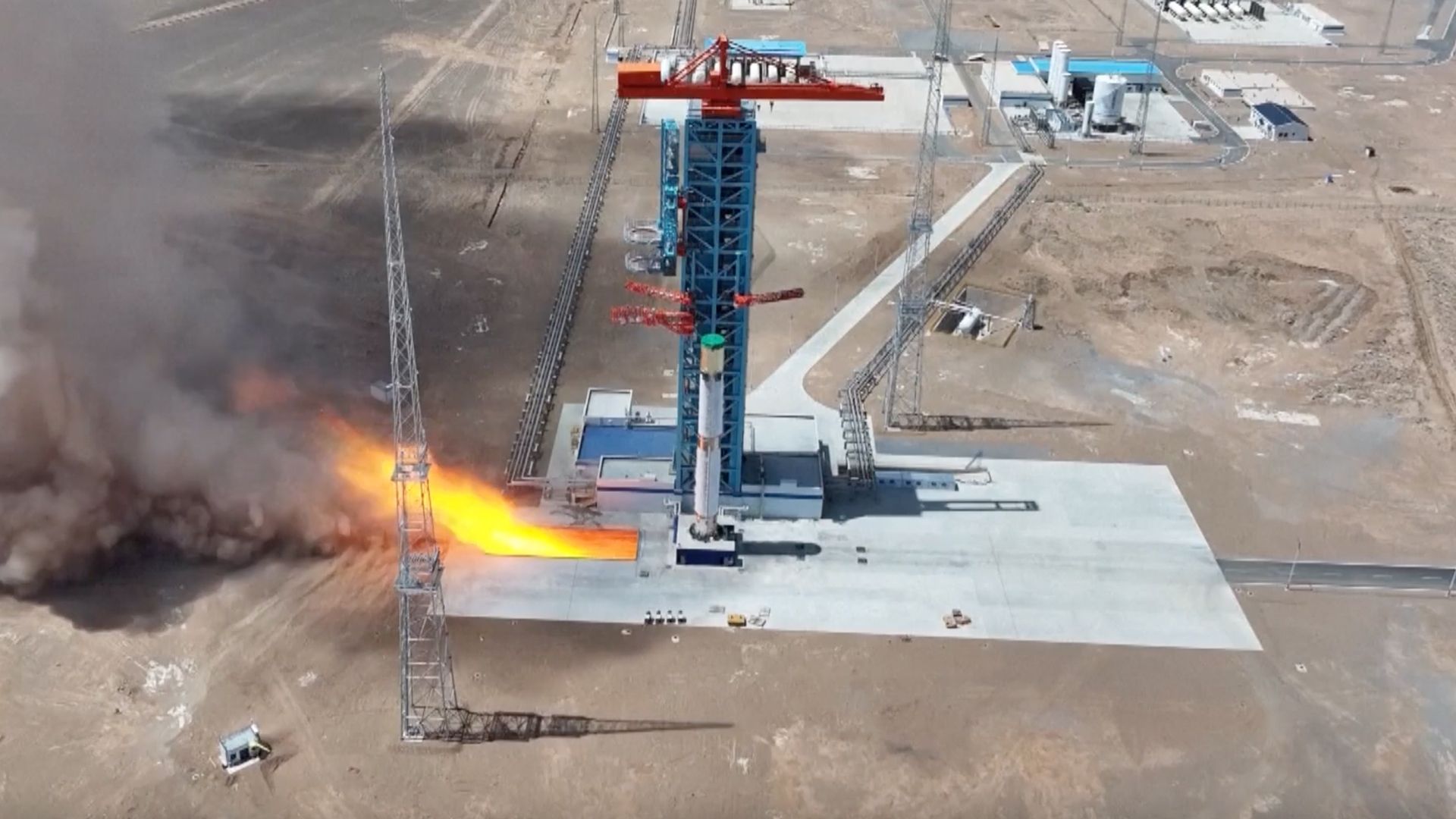
Chinese commercial launch company Landspace has scheduled a historic orbital booster recovery attempt for August 10, 2026, utilizing powered descent and landing legs. The upcoming flight follows a successful static fire test of its reusable Zhuque-3 rocket at the Jiuquan spaceport’s Dongfeng pilot zone.
Landspace is preparing for its second attempt at catching an orbital booster after its initial Zhuque-3 launch in December 2025 ended with a first-stage explosion during final powered descent, despite a successful orbit reach by the second stage. Airspace closure notices indicate that the upcoming liftoff is targeted for around 7:45 p.m. EDT on August 10, corresponding to 23:45 GMT or 7:45 a.m.
Zhuque-3 Static Fire Test Clears Path for August 10 Liftoff
Ground-to-rocket coordination met expected performance standards during the evaluation, validating system operations ahead of the flight mission.
That test checked off a crucial milestone for the methane-liquid oxygen rocket, which stands 216 feet or 66 meters tall and is built from stainless steel. Designed to return its first-stage booster back to Earth for vertical landing and reuse, the vehicle aims to reduce flight costs and increase launch frequency for commercial operators.
Capabilities and China’s Growing Reusable Rocket Fleet
Functionally comparable to SpaceX’s Falcon 9, the Zhuque-3 is configured to carry up to 40,350 pounds or 18,300 kilograms of payload to low Earth orbit in expendable mode, though that figure drops to 11.8 metric tons according to specific mission parameters noted in industry reporting. The launch vehicle is expected to support national infrastructure projects, including China’s planned Guowang national internet satellite constellation and other large-scale orbital networks.
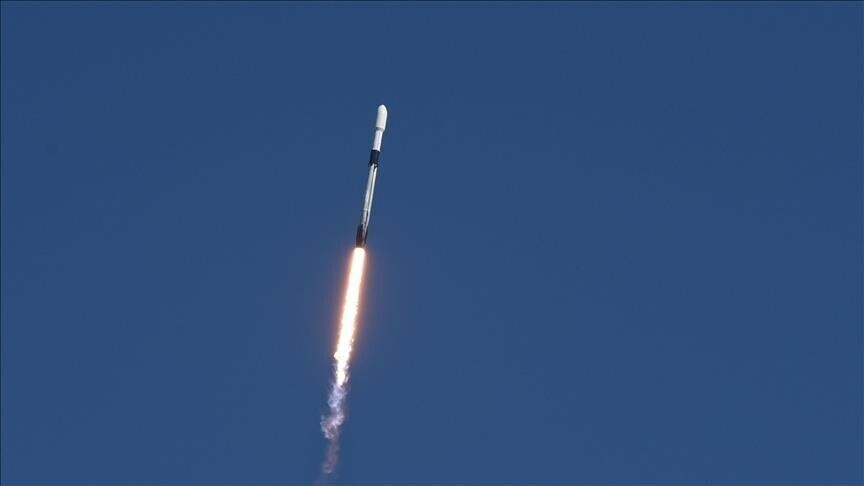
Landspace’s upcoming mission marks a notable divergence in recovery methodology within China’s broader aerospace sector. While China recently achieved its first successful orbital booster landing on July 10 using a vessel equipped with a net-capture system on the Long March 10B, Landspace relies on powered descent and landing legs, mirroring the recovery style familiar to Falcon 9 operations.
Broader Commercial Space Expansion
The August 10 flight represents China’s fourth orbital booster recovery attempt overall. The sequence began with the Zhuque-3 maiden flight in December 2025, followed days later by the debut of the state-owned Long March 12A, which also reached orbit but lost its first-stage booster in a fire during landing.
As commercial demand surges for satellite megaconstellations, industry-wide momentum continues to treat reusable rockets as an essential baseline for lowering the cost of access to space. Landspace’s upcoming test will determine whether its powered-descent architecture can successfully secure a landed booster where previous attempts met fiery ends.
Keep reading