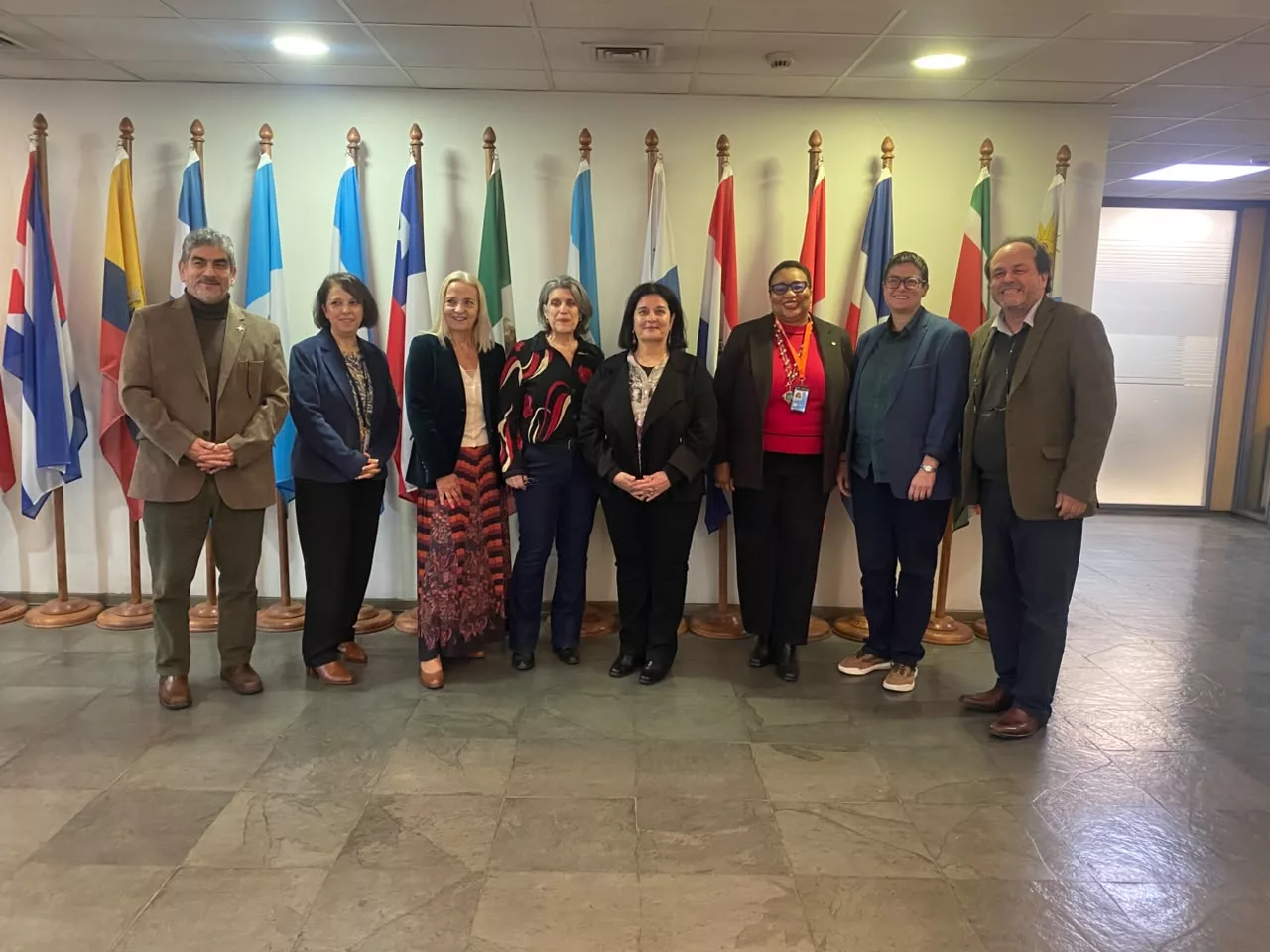
Public health experts and academic leaders convened at the Universidad del Desarrollo (UDD) in Santiago to examine the critical intersection of nutrition, physical activity, and evidence-based public policy as Chile confronts persistently high rates of overweight individuals and obesity.
The academic gathering, organized by the Nutrition and Dietetics program at UDD, brought together researchers, clinicians, and policymakers to evaluate how dietary habits and sedentary lifestyles impact population health metrics nationwide. According to health authorities, non-communicable chronic diseases linked to poor nutrition remain a primary driver of morbidity across the country.
By focusing on regulatory strategies and community-level interventions, the seminar aimed to bridge the gap between academic research and actionable legislative frameworks. Experts emphasized that combating rising obesity trends requires coordinated efforts across education, agriculture, and urban planning sectors.
Addressing National Nutrition Challenges Through Evidence
Chile continues to grapple with substantial public health hurdles regarding nutritional status across all age groups. Data from national health surveys consistently highlight that excess weight affects a large majority of the adult population, alongside concerning indicators among school-aged children.
During the UDD seminar, specialists analyzed the socio-economic factors influencing food choices and physical inactivity. Presenters noted that urban environments often limit access to fresh, affordable foods while encouraging sedentary routines. Researchers stressed that public policy initiatives must address these environmental determinants rather than relying solely on individual behavioral changes.
The discussions highlighted successful prior interventions, such as front-of-package nutritional warning labels and restrictions on marketing unhealthy foods to minors. Participants evaluated the long-term efficacy of these measures while debating new proposals to further restrict high-calorie product availability in public spaces and educational institutions.
Promoting Physical Activity in Urban and Educational Settings
Beyond dietary intake, the symposium placed significant emphasis on the role of physical movement in metabolic health. Speakers reviewed current physical activity guidelines and discussed the alarming decline in active play among adolescents.
Academic researchers from the Faculty of Medicine at Universidad del Desarrollo presented local studies tracking physical fitness markers in urban cohorts. Their findings suggest that increasing daily step counts and structured exercise opportunities within school curricula can markedly improve metabolic profiles in youth.
Policymakers in attendance discussed the necessity of urban infrastructure investments, including safer bike lanes, accessible parks, and well-maintained community sports facilities. Integrating active transit options into municipal planning emerged as a central theme for reducing sedentary behavior at the population level.
Next Steps for Public Health Policy in Chile
The encuentro concluded with a collaborative roundtable focused on translating academic findings into legislative proposals. Organizers announced plans to compile the symposium’s policy recommendations into a formal white paper to be submitted to health ministry officials.
Future legislative sessions in the Chilean National Congress are expected to review ongoing updates to nutritional labeling standards and school nutrition programs. Stakeholders interested in tracking upcoming public health debates and policy drafts can consult the official Universidad del Desarrollo faculty portals or review public announcements issued by the Ministry of Health.
Keep reading
- Crohn’s Disease Disability Claim Denied: 49-Year-Old Man Wins Legal Battle Against Social Security
- AI Creates First-Ever Synthetic Viruses to Fight Antibiotic-Resistant Superbugs
- Constitutional Court Highlights Fiscal Policy and Budget Challenges in Regional Transfers (world-today-news.com)
- China-Africa Trade Hits Record $208B Driven by Zero-Tariff Policy (time.news)