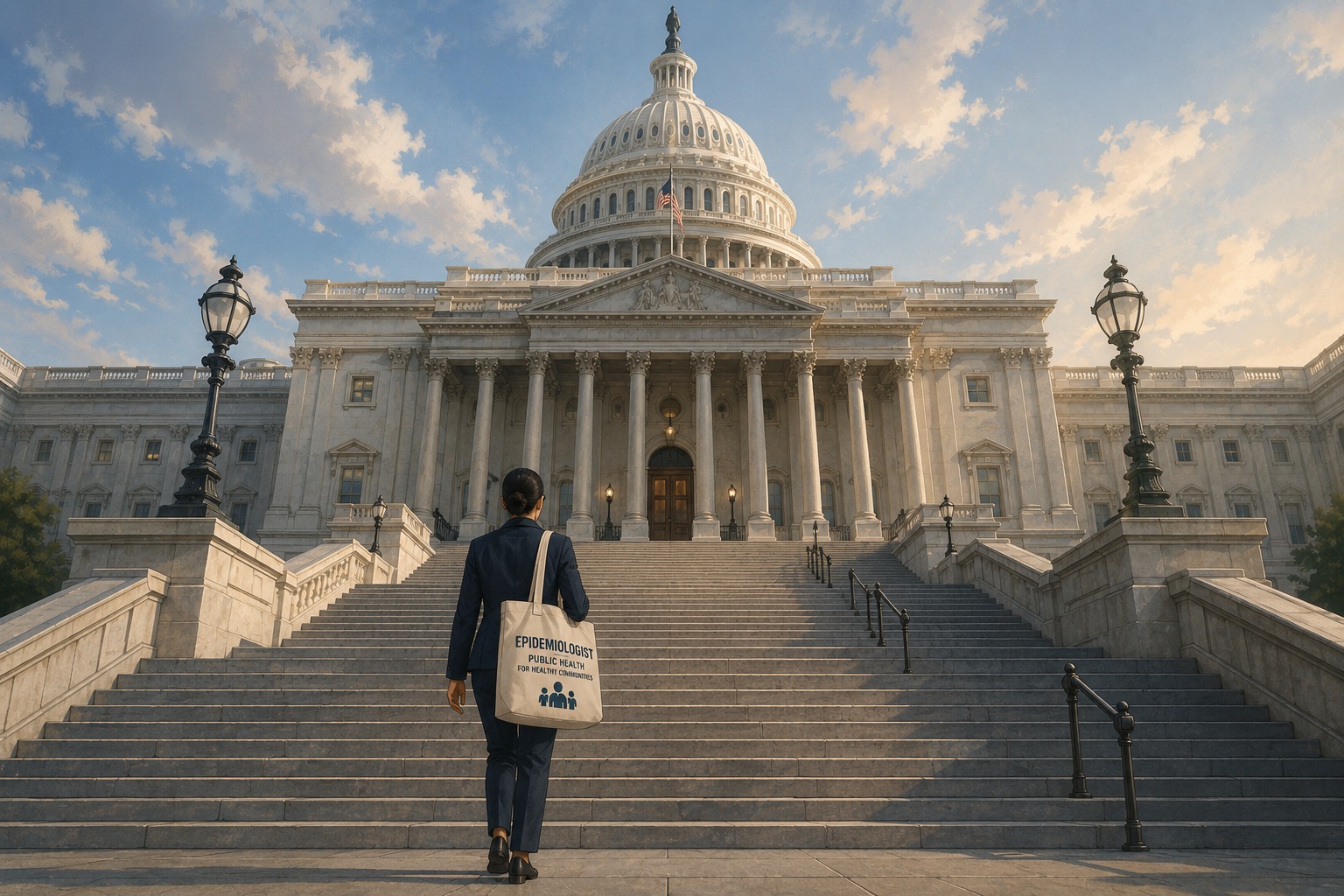
The Missing Epidemiological Voice in Congress
Public health professionals and epidemiologists are rare figures in the halls of the United States Congress. While physicians and nurses maintain a visible presence in federal and state legislatures, public health specialists who focus on population-level health and preventative policy remain largely unrepresented among elected lawmakers.
Clinical training prepares medical professionals to treat individual patients. Public health education, meanwhile, concentrates on populations, evaluating how environmental regulations, housing investments, and public policies shape community-wide health outcomes long before citizens visit a doctor’s office.
Populations Versus Patients in the Policy Pipeline
“While clinical training begins with individual patients, public health training begins with populations,” health policy researchers note regarding the structural divide between healthcare practice and legislative policymaking.
Lawmakers frequently draft and vote on regulations governing transportation, agriculture, and environmental protection without formal training in the political determinants of health.
Legislative Blind Spots During Wildfire Crises
Legislative decisions routinely intersect with public health crises, particularly during severe environmental events such as wildfire seasons. When heavy smoke blankets residential regions, communities face immediate disruptions. These include closed schools, canceled outdoor activities, and surges in asthma-related emergency department visits.
Traditional legislative responses typically focus on immediate emergency funding for firefighting efforts and community disaster recovery. In contrast, public health professionals often evaluate underlying structural vulnerabilities. They examine factors such as school air filtration infrastructure, neighborhood pollution exposure disparities, and environmental mitigation strategies.
From Health Departments to the Ballot Box
Public health institutions traditionally train graduates in policy analysis, advocacy, program evaluation, and community engagement. Experts point out that graduates primarily enter careers within state health departments, non-profit organizations, and healthcare systems to implement existing regulations rather than pursuing elected office.
Historically, public health professionals have positioned themselves as science-driven advisors rather than governing officials, maintaining political neutrality to preserve institutional credibility.
Cultivating a New Generation of Prevention-Focused Lawmakers
Observers suggest that encouraging public health practitioners to run for legislative positions could introduce valuable prevention-focused perspectives into lawmaking.
Although individual primary victories or localized campaigns may have limited immediate impact on national legislative demographics, public health advocates suggest these political runs could encourage future generations of health scientists to expand their professional scope into public policy and governance.
Related reading
- Why the National Plan to End Parkinson’s Act Is Failing and How Congress Can Fix It
- Crimean-Congo Hemorrhagic Fever Outbreak in Iraq: 24 Dead
- Ariana Grande Body and Weight Debate: Health, Privacy, and Celebrity (archynewsy.com)
- Sharjah Public Works Joins Bardan Wa Salaman Campaign to Boost Social Solidarity (newsdirectory3.com)