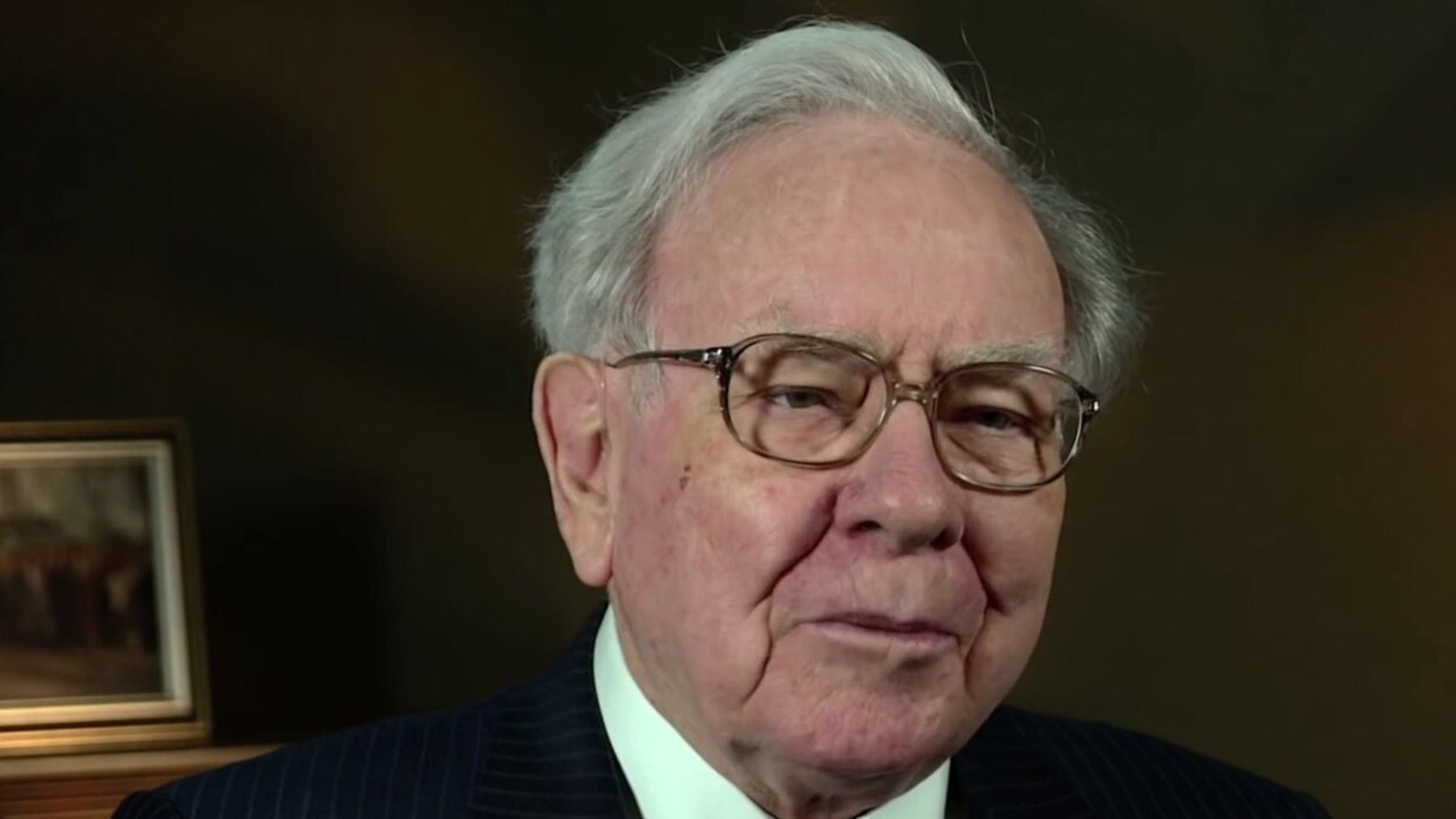
Warren Buffett’s famous maxim, «Price is what you pay, value is what you get,» encapsulates a fundamental principle of value investing that continues to guide global financial markets and asset valuation. Originally articulated in his letters to shareholders of Berkshire Hathaway, the distinction between cost and intrinsic worth serves as a cornerstone for investors navigating complex economic cycles and market volatility. According to financial analysts and market historians, this philosophy shifts the focus from short-term price fluctuations to long-term economic fundamentals.
Understanding this distinction requires examining how institutional and retail investors evaluate corporate balance sheets, cash flows, and macroeconomic conditions. While stock prices shift continuously based on market sentiment, geopolitical events, and liquidity trends, the underlying value of a business depends on its capacity to generate sustainable earnings over time. Market participants often look to Berkshire Hathaway’s annual reports and televised shareholder meetings for insights into capital allocation and disciplined asset management.
The philosophy popularized by the Berkshire Hathaway chairman has influenced generations of portfolio managers, economists, and entrepreneurs worldwide. By prioritizing intrinsic value over market momentum, investors aim to identify mispriced securities and minimize exposure to speculative bubbles. Financial education programs regularly incorporate these teachings to demonstrate the mechanics of risk management and long-term capital preservation.
The Evolution of Value Investing Principles
The intellectual roots of this investment philosophy trace back to Benjamin Graham and David Dodd at Columbia Business School, whose work heavily influenced Buffett during his early career. Graham introduced the concept of “Mr. Market,” a hypothetical business partner who offers to buy or sell shares every day at different prices. Buffett expanded upon this framework by emphasizing business quality and economic moats—competitive advantages that protect a firm’s market share and profitability—over mere statistical cheapness.
Market observers note that applying these principles in modern technology-driven markets presents distinct challenges. Intangible assets, software intellectual property, and network effects complicate traditional accounting metrics, forcing analysts to adapt their valuation models. Nonetheless, the core tenet remains unchanged: an asset’s worth is anchored in its future cash flows, discounted back to the present, rather than the enthusiasm of current buyers.
Impact on Global Markets and Economic Policy
Buffett’s investment philosophy extends beyond individual stock selection, offering broader lessons for corporate governance and economic policy. Companies that prioritize long-term value creation over quarterly earnings targets often demonstrate greater resilience during economic downturns. Regulatory bodies, such as the U.S. Securities and Exchange Commission, continuously emphasize transparent financial reporting to help market participants accurately assess corporate value.
Academic research in behavioral economics frequently cites value investing as an empirical counterweight to market irrationality. When market prices diverge sharply from underlying economic realities, disciplined investors often rely on strict valuation criteria to avoid overpaying for assets. Central bank policies, interest rate adjustments, and inflationary pressures further underscore the importance of distinguishing between nominal prices and real economic value.
Frequently Asked Questions
What does “price is what you pay, value is what you get” mean in practice?
The phrase distinguishes between the financial cost incurred to acquire an asset and the intrinsic worth or economic utility returned by that asset over its lifespan. An investor seeks situations where the intrinsic value exceeds the purchase price.
Where did Warren Buffett first introduce this concept?
While the sentiment echoes teachings from his mentor Benjamin Graham, Buffett frequently reinforced this principle in his letters to Berkshire Hathaway shareholders and during public Q&A sessions at the conglomerate’s annual meetings.
How do modern analysts calculate intrinsic value?
Analysts typically use discounted cash flow (DCF) models, assessing projected future cash flows and adjusting them for risk, time, and the cost of capital, alongside qualitative evaluations of competitive positioning.
Market participants seeking further official documentation and shareholder letters can review the historical archives published directly through the Berkshire Hathaway shareholder letters portal. Financial researchers also monitor updates from regulatory institutions such as the U.S. Securities and Exchange Commission for corporate filings and disclosures.
Related reading