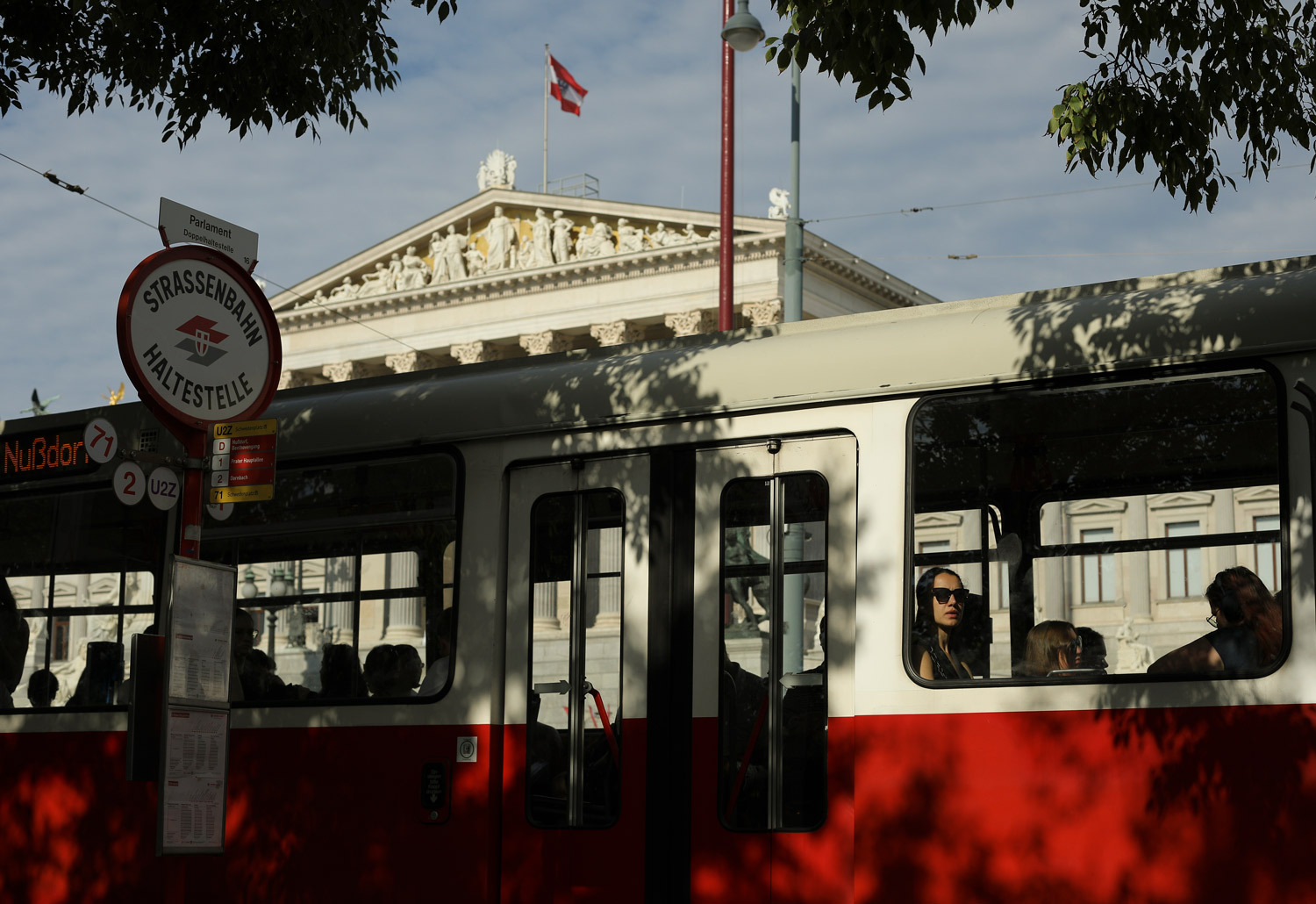
Vienna residents enjoy a housing model that serves as a global benchmark for urban affordability, anchored by extensive municipal ownership and decades of public investment. While major metropolitan areas worldwide grapple with acute housing crises, spiraling rents, and displacement, Austria’s capital maintains a vast stock of subsidized apartments that keep living costs remarkably low for millions of citizens.
According to reports by The Guardian, the city’s approach relies heavily on long-term municipal planning and social housing initiatives that have been refined since the early 20th century. This distinct urban policy allows roughly half of Vienna’s population to live in either city-owned housing or heavily subsidized cooperatives, shielding tenants from the volatile price fluctuations seen in other European and North American capitals.
Urban planners and housing advocates frequently point to Vienna as a proof-of-concept for how governments can intervene effectively in property markets. By treating housing as a public good rather than a pure commodity, the municipality has managed to curb speculative real estate pricing while preserving social integration across neighborhoods.
The History and Structure of Vienna’s Housing Model
The foundation of Vienna’s social housing system dates back to the interwar period known as “Red Vienna,” when the city government launched ambitious construction programs to combat severe overcrowding and poverty. Municipal authorities levied taxes on luxury goods and high-end properties to fund the construction of tens of thousands of bright, well-ventilated apartments complete with communal gardens, green spaces, and healthcare facilities.
Today, the City of Vienna owns approximately 220,000 apartments, making it one of the largest landlords in Europe. Additionally, the municipality provides financial backing to limited-profit housing associations that manage another 200,000 units. Together, these two sectors create a stabilizing effect on the entire local housing market, forcing private landlords to compete with affordable, high-quality public alternatives.
Eligibility criteria for these homes are exceptionally broad, ensuring that access is not restricted solely to the poorest households. According to municipal guidelines, more than 80 percent of Vienna households qualify for social housing based on income thresholds. This inclusive approach prevents the stigmatization often associated with public housing in other countries, creating mixed-income communities where working- and middle-class families live side by side.
Financial Mechanics and Continuous Investment
The sustainability of Vienna’s housing model stems from a continuous, revolving funding mechanism. The city collects a dedicated housing contribution from both employers and employees, creating a stable revenue stream earmarked exclusively for the construction and maintenance of affordable units. Furthermore, as older municipal loans are repaid, the capital flows back into a dedicated revolving fund to finance new developments.
Unlike cities that rely purely on private developers to build affordable units through inclusionary zoning—often resulting in sluggish production—Vienna takes an active role in land acquisition. The city’s land procurement fund buys agricultural and industrial land ahead of urban expansion, preventing land speculation and ensuring that future housing projects can be built at reasonable costs.
Architectural quality and environmental sustainability remain central to new municipal projects. Recent developments must meet strict ecological standards, incorporating energy-efficient heating systems, solar panels, and extensive green roofs. Independent juries evaluate architectural designs for new subsidized housing complexes to ensure that affordable homes do not compromise on aesthetic or structural standards.
Global Lessons and Urban Policy Challenges
Delegations from cities across the globe regularly visit Vienna to study its housing strategies, hoping to adapt elements of the system to their own jurisdictions. Mayors and housing ministers from North America, South America, and Asia have sought insights on how to replicate the city’s success in curbing homelessness and housing precarity.
However, urban experts note that transplanting the model is not without obstacles. Vienna’s system relies on a century-old legal framework, robust municipal land ownership, and political consensus around high public spending—conditions that are difficult to manufacture quickly in cities with entrenched real estate lobbies or restrictive zoning laws.
As Vienna continues to grow—attracting thousands of new residents annually—local authorities face the ongoing challenge of maintaining high construction rates to keep pace with demand. Maintaining the delicate balance between urban expansion, rent stabilization, and ecological preservation remains the primary focus for city planners as they look toward the next decade of development.
Related reading