A new study published in News Medical reveals that the prefrontal cortex—traditionally viewed as the brain region responsible for flexible thinking—can sometimes block the ability to think outside the box. Biologists at Emory University found that for a specific naturalistic behavior in mice, suppressing this executive decision-making area actually accelerates the adoption of a newer, more efficient strategy.
Prefrontal Cortex Inhibition Accelerates Strategic Adaptation in Mice
It’s a surprising result,
said Robert Liu, senior author of the study and Emory professor of biology. We demonstrated that for a particular naturalistic behavior in mice, the prefrontal cortex blocks adopting a new and better strategy for solving a problem.
The prefrontal cortex is frequently described as the management system of the brain, overseeing working memory, decision-making, emotional responses, and flexible thinking. However, the new findings suggest that breaking out of established patterns requires suppressing this executive control center.
Examining Natural Behavior and Strategy Shifting
To investigate how animals transition from an established behavior to a more efficient one, researchers in the Liu Lab studied adult female mice using a T-shaped maze. In the experimental setup, a mouse was placed in the nest at the base of the T-shaped apparatus, while an artificial sound played as a beacon indicating which arm would deliver a pup reward.
Animals naturally tend to stick with what has worked previously, a behavior known as a win-stay strategy. Initially, the adult female mice defaulted to returning to the arm of the T-maze where they had last found a pup, ignoring the location of the sound cue.
Over repeated trials, the mice demonstrated a gradual strategy shift. Half of a cohort of 12 female adults learned to override the default behavior and use the sound cue by day four, while all members of the group learned to use the sound by day eight.
Chemogenetic Experiments and Neural Silencing
To understand the underlying neural mechanisms, the researchers implanted adult mice with silicon probes in their auditory cortex and medial prefrontal cortex to record neuronal firing during the retrieval task. Next, the team used chemogenetic methods to silence specific brain areas in separate cohorts of adult female mice.
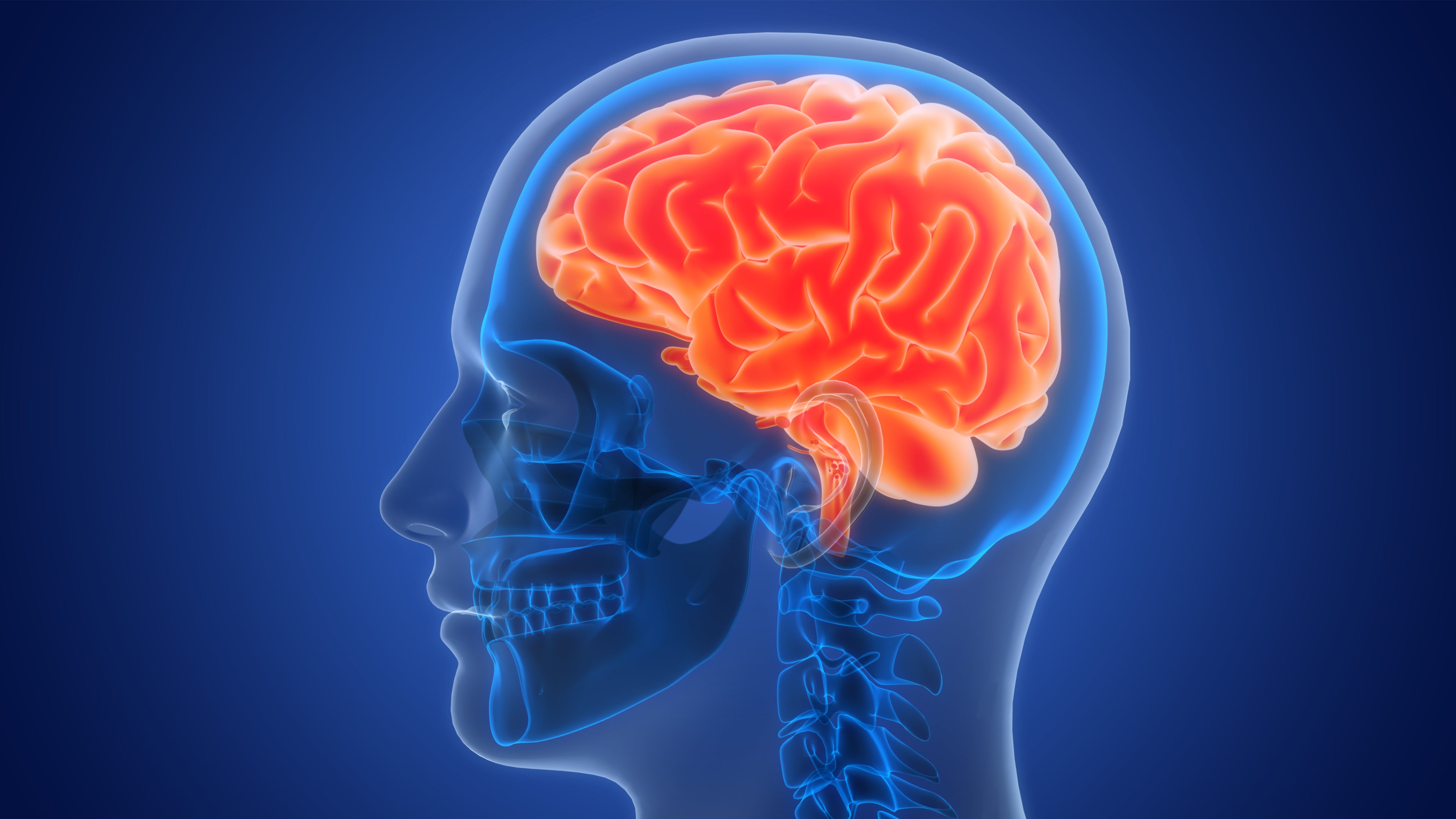
Silencing the auditory cortex impaired sound learning compared to control animals, though it did not completely abolish it. In those animals, the win-stay strategy remained robust and persisted even after eight days of training. Conversely, silencing the medial prefrontal cortex accelerated usage of the auditory strategy. This outcome ran contrary to the researchers’ initial expectation that silencing the executive region would cause the mice’s decisions to become more random. Instead, most mice with a silenced medial prefrontal cortex learned the auditory strategy in just two or three days.
Broader Implications for Human Cognition
The researchers noted that the findings provide additional nuance to the scientific understanding of the prefrontal cortex. Furthermore, the results may offer insights into the mechanisms involved in human neurodiversity and certain cognitive disorders.

To illustrate how default tendencies operate in learning, Kai Lu, first author of the Emory paper and a postdoctoral fellow in the Liu Lab, pointed to human analogies like learning to play poker. New players often focus heavily on mathematical probabilities and the values of cards in hand, whereas experienced players must constantly adapt their strategies based on subtle cues from opponents and the possibility of a bluff.
Worth a look
- Head of Pediatric and Adolescent Medical Services (m/f/d) – Health Department Bottrop
- Dolutegravir Resistance Emerges in Sub-Saharan Africa HIV Treatment
- Northwestern University secures $20M for AI-driven protein engineering lab (time.news)
- South Carolina Women’s Basketball Player McDaniel Withdraws From University (news-usa.today)