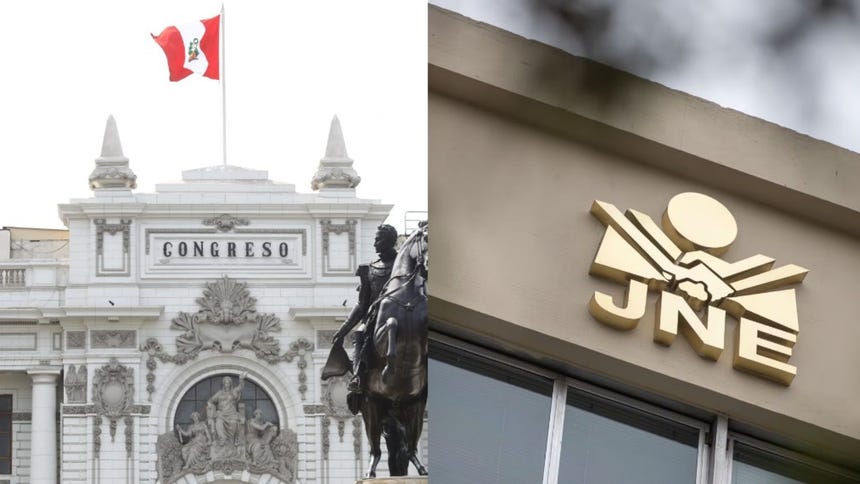
Peruvian lawmakers have advanced a legislative proposal designed to close legal loopholes that currently permit outgoing municipal authorities to pursue indirect political continuation, a maneuver commonly characterized as covert mayoral reelection. The initiative targets a widespread practice wherein incumbent mayors facing constitutional limits barred from immediate consecutive terms bypass restrictions by seeking alternative elected offices or resigning ahead of schedule.
The legislative push follows documented instances across the country where municipal executives attempt to maintain political influence despite strict statutory bans. According to reports from national media outlets including El Comercio, tracking data has identified 63 cases nationwide involving municipal leaders attempting alternative electoral pathways. The proposed statutory framework seeks to explicitly prohibit these workarounds, ensuring that term limits enacted by the legislature hold practical weight.
Political analysts and legal scholars have increasingly warned that existing electoral regulations contain gaps allowing local authorities to transition seamlessly into provincial or regional positions, or to orchestrate coordinated resignations. As noted by legal experts cited in coverage by Canal N, these maneuvers undermine the core objective of electoral reform by giving incumbent officials an unfair structural advantage through existing administrative machinery.
Addressing Structural Loopholes in Municipal Term Limits
Under current electoral guidelines, mayors cannot run for immediate reelection in the exact same jurisdiction. However, critics and sponsoring legislators argue that determined candidates routinely exploit ambiguities in electoral law. Some officials resign months before completing their terms, while others pivot to regional councils or congressional bids, effectively maintaining a continuous political presence funded by public visibility.
The newly introduced bill attempts to tighten these restrictions by imposing clearer incompatibility rules and stricter timelines for resignation and candidacy. According to legislative summaries published by Gestión, the proposal clarifies that individuals holding executive municipal office cannot bypass term-limit bans by shifting to equivalent or subordinate regional posts without observing mandatory cooling-off periods.
Proponents of the measure argue that swift congressional action is necessary before upcoming electoral calendars solidify. Electoral transparency advocates emphasize that public trust in local governance depends on closing avenues that frustrate voter intent and bypass constitutional intent.
Scope of Nationwide Cases and Institutional Impact
Monitoring efforts by independent journalists and electoral watchdogs have brought widespread attention to the scale of the phenomenon. Investigations highlighted by RPP Noticias indicate that dozens of local authorities have evaluated or executed strategic withdrawals from their current posts to position themselves for subsequent campaigns.
Institutional stakeholders continue to review the text as it moves through committee deliberations. The discussion highlights an ongoing tension within Peru’s political landscape over how to enforce accountability without creating perpetual legal gray areas.
Next Steps in the Legislative Process
The bill now awaits formal review and debate within the relevant congressional committees, where lawmakers will evaluate potential modifications before scheduling a plenary vote.
We welcome your perspective on this developing story. Please share your thoughts or join the conversation in the comments section below.
Keep reading