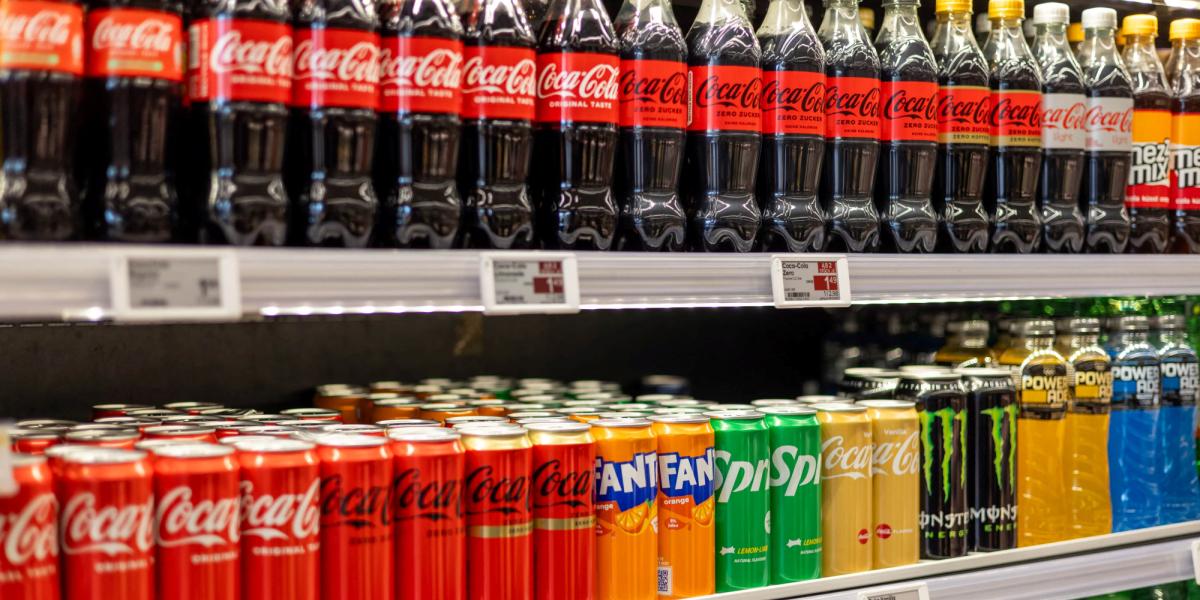
Coca-Cola FEMSA has implemented a fresh round of price adjustments across Mexico, pushing retail costs for key beverages, carbonated soft drinks, and packaged waters up by as much as 5 Mexican pesos. The sweeping price revision, which took effect across multiple regions, reflects ongoing inflationary pressures and rising operational expenditures for the region’s largest bottler, according to local reports from El Economista and business analysis from Alto Nivel.
Consumers across the country are seeing elevated price tags on iconic brands distributed by the beverage giant.
Understanding why these price shifts occur requires examining both corporate cost structures and Mexico’s tax framework. The Special Tax on Production and Services, commonly known as IEPS, continues to apply baseline fiscal levies on sugar-sweetened beverages and high-calorie foods. While the IEPS is a federal excise tax rather than a direct corporate price hike, its interaction with rising production costs creates a compounded financial effect at the cash register for everyday shoppers.
Drivers Behind the Beverage Cost Adjustments
The primary catalysts for the price adjustments involve tangible shifts in manufacturing and distribution expenses. According to financial disclosures and market reports cited by Periódico El Orbe, bottlers face heightened expenses for PET plastic, sweeteners, aluminum, and fuel.
Impact on Consumers and Neighborhood Tiendas
The ripple effects of higher beverage prices extend directly into community commerce.
Consumer advocacy groups and economic commentators, including reports from Sol Yucatán, note that cumulative price increases across basic goods squeeze household budgets. Consequently, price adjustments on these products carry broad socio-economic visibility.
Fiscal Context: The Role of the IEPS
Public discussions surrounding beverage prices in Mexico frequently center on the IEPS tax structure. Implemented to curb public health concerns associated with high-sugar consumption, the excise tax adds a fixed per-liter fee to flavored and sweetened drinks. While the recent price bump announced by bottlers stems primarily from corporate operational costs rather than a federal tax rate modification, the presence of the IEPS ensures that baseline prices remain structurally higher than base manufacturing costs alone would dictate.
Next Steps and Official Monitoring
We welcome your perspective—share your thoughts or report local pricing changes in the comments below.