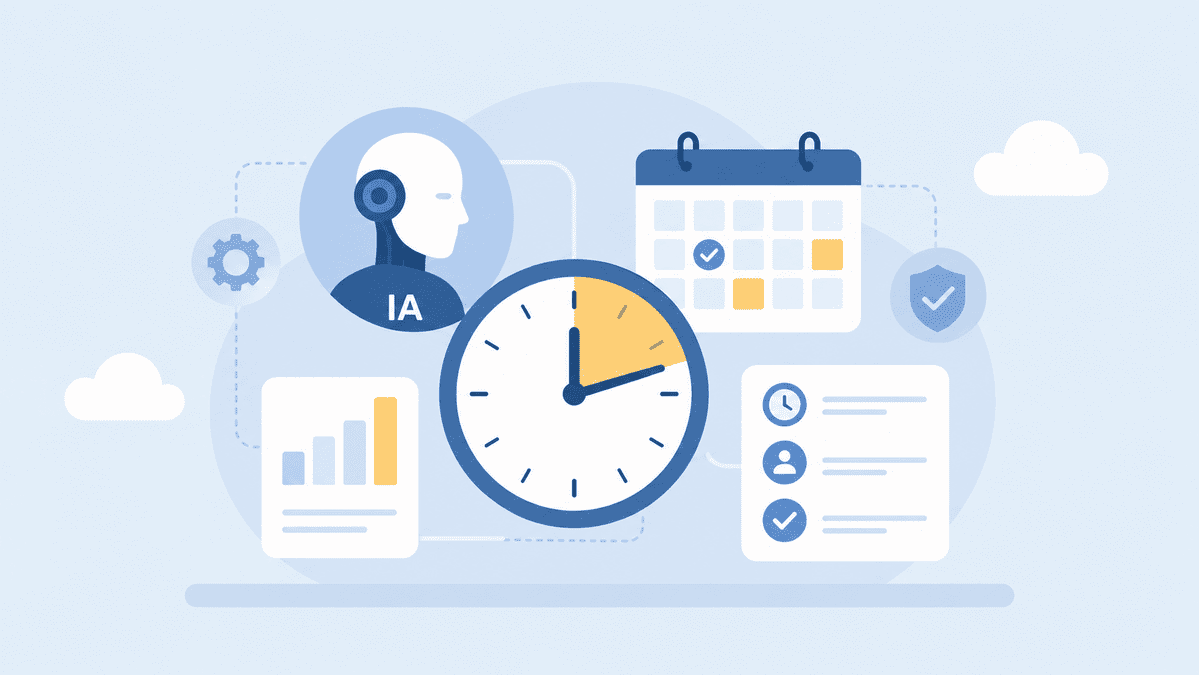
As French businesses adapt to evolving labor regulations and digital transformation, artificial intelligence has fundamentally shifted how human resources departments handle time tracking, shift scheduling, and absence management. According to workplace management platform analyses from Bizneo HR, modern AI tools automate routine administrative burdens while introducing complex compliance boundaries that human resources professionals must navigate carefully.
Implementing automated time clocks, predictive scheduling algorithms, and digital absence trackers requires striking a delicate balance between operational efficiency and employee privacy. French labor law strictly regulates working hours, rest periods, and data protection under European Union frameworks like the General Data Protection Regulation (GDPR), setting strict legal boundaries for how algorithms monitor workforce patterns.
For global organizations and French employers alike, understanding these technological capabilities and legal constraints is vital. Dr. Olivia Bennett, Business Editor at World Today Journal, examines how artificial intelligence is reshaping workforce management strategies across European markets.
Automated Time Tracking and Digital Punching Systems
Modern time-tracking tools leverage artificial intelligence to automate attendance monitoring and streamline payroll processing. Traditional paper timesheets and basic electronic card swipes are rapidly giving way to smart recognition systems and automated validation software. These tools instantly flag discrepancies between scheduled shifts and actual hours worked, reducing administrative errors.
However, automated time tracking in France operates under rigorous scrutiny from the Commission Nationale de l’Informatique et des Libertés (CNIL). Employers cannot deploy biometric identification systems, such as facial recognition or fingerprint scanning, for routine time and attendance tracking unless exceptional security justifications apply and strict legal thresholds are met. HR teams must ensure that any digital pointage solution respects proportionality principles, ensuring workers are not subjected to disproportionate surveillance.
Furthermore, automated systems help companies comply with the EU Working Time Directive and French labor codes regarding maximum daily hours and mandatory daily and weekly rest periods. By automatically locking out terminals or alerting managers when an employee approaches overtime thresholds, AI tools help mitigate legal liability for labor violations.
Predictive Scheduling and Workforce Planning
Artificial intelligence excels at analyzing historical demand data, seasonal trends, and employee availability to generate optimized shift schedules automatically. Predictive scheduling algorithms can construct complex rosters in minutes rather than days, matching staffing levels precisely to anticipated customer foot traffic or production volume.
Despite these efficiencies, predictive scheduling introduces significant social and operational limits. Workers often report dissatisfaction when algorithms dictate erratic schedules without adequate notice, disrupting work-life balance. In response to these concerns, labor unions and lawmakers increasingly emphasize the “right to disconnect” and predictable working conditions. HR professionals cannot rely blindly on algorithmic schedules without factoring in employee preferences, contractual constraints, and the human element of team management.
Algorithmic bias represents another critical pitfall. If historical data reflects past scheduling inequities or discriminatory practices, an AI model may perpetuate those patterns, disproportionately assigning unfavorable shifts to specific demographic groups. Human oversight remains mandatory to audit scheduling outputs and ensure fairness across the entire workforce.
Managing Absences and Predicting Turnover Trends
Absence management has also undergone a digital evolution. AI-driven absence tracking tools monitor sick leave patterns, vacation requests, and unplanned absences in real time. Advanced predictive analytics can even forecast absenteeism spikes based on factors like weather, local events, or historical health trends, allowing HR departments to adjust temporary staffing proactively.
Beyond daily tracking, machine learning models analyze behavioral indicators to identify employees at risk of burnout or resignation. By examining metrics such as sudden shifts in productivity, accumulated overtime without rest, and irregular attendance, these systems alert managers before dissatisfaction leads to departure.
Yet, predictive analytics regarding health and retention touch upon highly sensitive personal data. French employment regulations strictly prohibit the processing of health-related data by automated tools in a manner that could disadvantage an employee. HR directors must ensure that absence monitoring tools remain strictly anonymized and compliant with data minimization principles, avoiding invasive profiling that violates employee trust and privacy rights.
Next Steps for HR Professionals
As regulatory bodies continue to update compliance guidelines for artificial intelligence in the workplace, HR departments must adopt a transparent approach to digital transformation. Organizations planning to deploy AI-driven scheduling or time-tracking solutions should consult official resources provided by the CNIL and labor ministries to review compliance requirements, data protection impact assessments, and worker representation consultation mandates.
We invite our readers to share their experiences with workplace AI tools in the comments below or join the discussion across our global business forums.
Worth a look