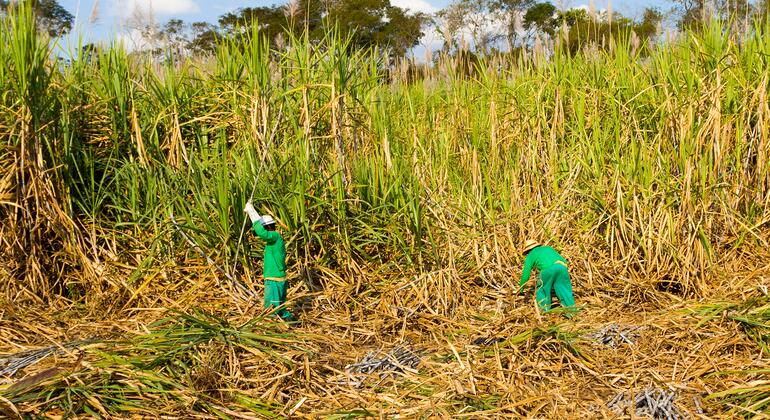
Global food prices edged upward last month as compounding climate extremes and persistent geopolitical tensions restricted agricultural supply chains and drove up energy costs worldwide, according to market data from the United Nations Food and Agriculture Organization (FAO). Searing heatwaves across major agricultural belts in Southern Europe, North America, and parts of Asia severely impacted crop yields and livestock productivity, while fluctuating petroleum and natural gas markets increased the expenses associated with farm operations, fertilizer production, and transnational shipping.
The upward shift in commodity costs interrupts a period of relative stabilization for baseline grocery indexes, reinforcing how vulnerable modern supply chains remain to severe weather patterns and macroeconomic instability. Analysts tracking agricultural markets note that elevated fuel and electricity tariffs directly translate to higher processing and transport bills, costs that are ultimately passed down to wholesale buyers and everyday consumers. Governments and central banks are closely monitoring these developments as persistent food inflation complicates broader efforts to stabilize consumer price indices.
Energy inputs remain a primary driver behind the rising cost of staple goods. According to the International Energy Agency, recent volatility in oil and natural gas futures has raised the cost of synthetic fertilizers and mechanical irrigation, two vital components of industrial farming. When crude oil prices climb, the expense of operating heavy farm machinery, running refrigerated warehouses, and moving goods via long-haul trucking and cargo vessels rises in tandem. These logistical realities mean that even when regional harvests escape direct weather damage, the cost of delivering food from farm to market remains exceptionally high.
Climate Extremes Pressure Regional Crop Yields
Prolonged heatwaves and prolonged dry spells across key growing regions have taken a heavy toll on crop development during critical growth phases. Meteorological reports indicate that record-breaking summer temperatures in the Northern Hemisphere stressed cereal grains, oilseeds, and specialty crops alike, reducing expected harvest volumes in several exporting nations. In addition to direct heat stress, diminished water availability for irrigation forced some farming districts to curtail production or accept lower yields per acre.
Livestock producers face similar pressures as pastures dry up and the cost of feed grains escalates. Cattle and dairy operations in drought-affected zones have encountered rising feed bills, forcing some producers to liquidate herds earlier than usual. Such short-term supply adjustments can temporarily alter market volumes but typically lead to tighter supplies and firmer retail prices for meat and dairy products in subsequent quarters.
Geopolitical Uncertainty Disrupts Trade Corridors
Beyond weather-related disruptions, ongoing geopolitical conflicts continue to cast a shadow over international grain and fertilizer trade. Ongoing hostilities in key Black Sea shipping corridors and trade restrictions implemented by various governments have complicated the smooth flow of agricultural commodities. Trade economists emphasize that even when alternative shipping routes are established, insurance premiums, longer transit times, and administrative bottlenecks add substantial overhead to international transactions.
Import-dependent nations, particularly across parts of North Africa and the Middle East, feel these trade frictions most acutely. As international benchmark prices for wheat, corn, and vegetable oils edge upward, domestic food subsidies and import budgets face severe strain. Governments in these regions often must absorb the higher costs or pass them on to citizens, heightening food security concerns in vulnerable populations.
Economic Impact and Consumer Outlook
For household budgets around the world, the incremental rise in staple food prices translates to a tighter squeeze on disposable income. While overall inflation rates have cooled from their historic peaks in many advanced economies, the cost of feeding a family remains visibly higher than pre-pandemic averages. Low-income households, which spend a significantly larger share of their earnings on basic groceries and utility bills, bear the heaviest burden from these price adjustments.
Retail analysts point out that food manufacturers and supermarket chains are also navigating compressed profit margins. As wholesale ingredient and packaging costs inch upward, retailers must choose between absorbing the expenses or raising shelf prices and risking a drop in consumer demand. Many stores have responded by adjusting inventory sizes, promoting store-brand alternatives, or streamlining supply chains to minimize waste.
Market observers will look to the next FAO Food Price Index release for definitive, month-over-month statistical confirmation of how these competing pressures—weather anomalies, energy costs, and trade dynamics—are reshaping global food economics.
Worth a look