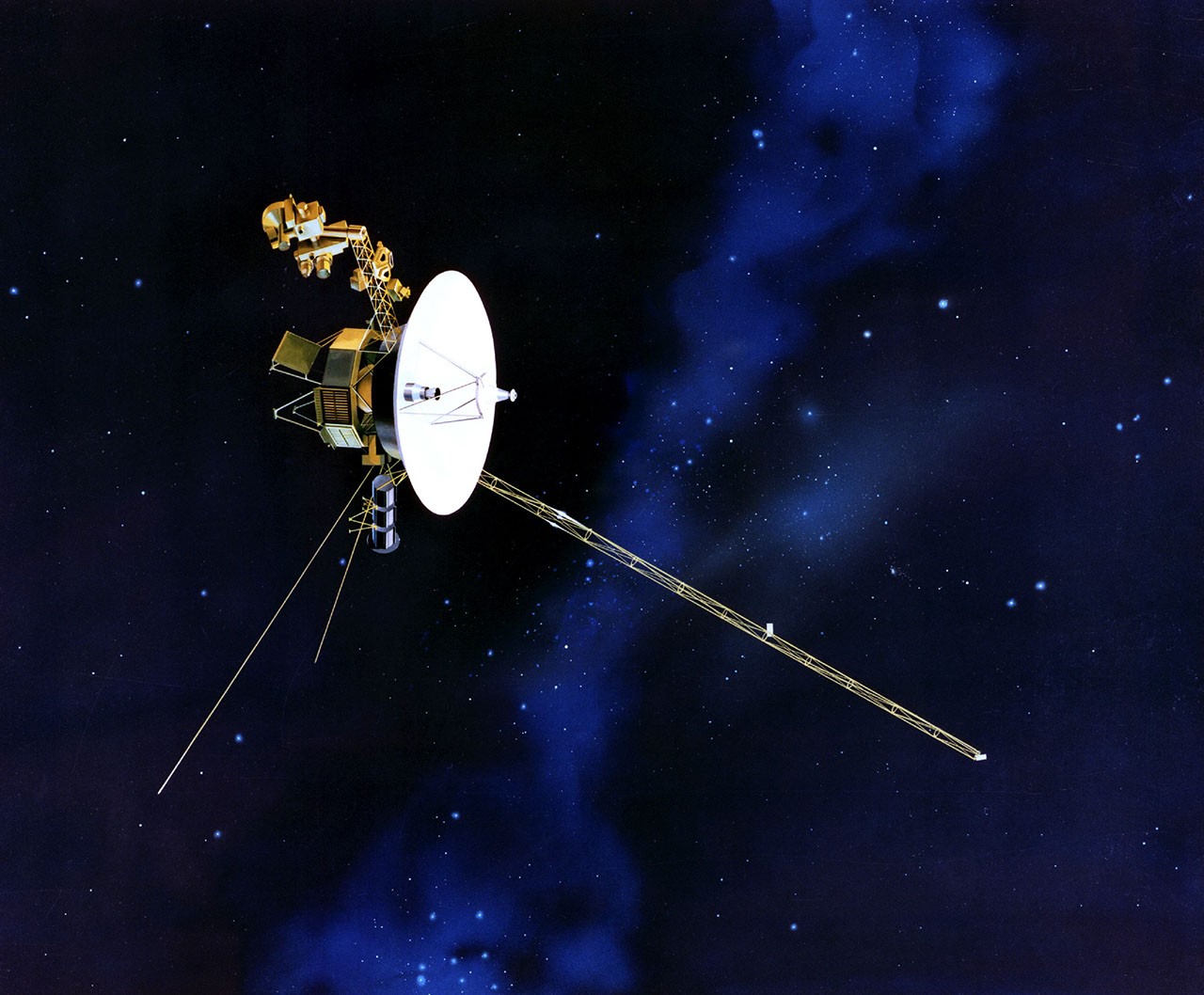
NASA engineers have successfully executed a power-saving maneuver known as the Big Bang
on Voyager 2, shutting down non-essential devices and switching to lower-power alternatives. The August 4, 2026, announcement extends the aging probe’s science mission life as it travels over 21.37 billion kilometers from Earth.
After nearly 50 years of traversing space, the Voyager probes are feeling the strain of old age. Both Voyager 1 and Voyager 2 draw their electricity from radioisotope thermoelectric generators, which convert heat from decaying plutonium into a steady power supply according to NASA. As that plutonium supply depletes, each spacecraft loses approximately 4 watts of power every year, shrinking operational margins to razor-thin levels.
The Big Bang Maneuver and Voyager 2 Power Savings
To combat the declining energy supply, ground control teams at the Jet Propulsion Laboratory in Pasadena, California, devised the Big Bang
effort.
Without this recent intervention, dwindling power margins would have forced the mission team to shut down another essential science instrument on Voyager 2 before the end of 2026. The successful switchover safely preserves power for the probe’s three remaining operational instruments: the magnetometer, the Plasma Wave Subsystem, and the Cosmic Ray Subsystem. Project managers estimate this conservation effort will extend Voyager 2’s science mission return by at least an extra year.
Managing Dwindling Plutonium and Instrument Trade-Offs
The longevity of the twin Voyager spacecraft has required a steady series of difficult engineering compromises since they left the solar system. Instruments originally built to observe planets during the mission’s early encounters were turned off long ago because they served no purpose in deep space. However, engineers eventually had to deactivate functional tools as well.
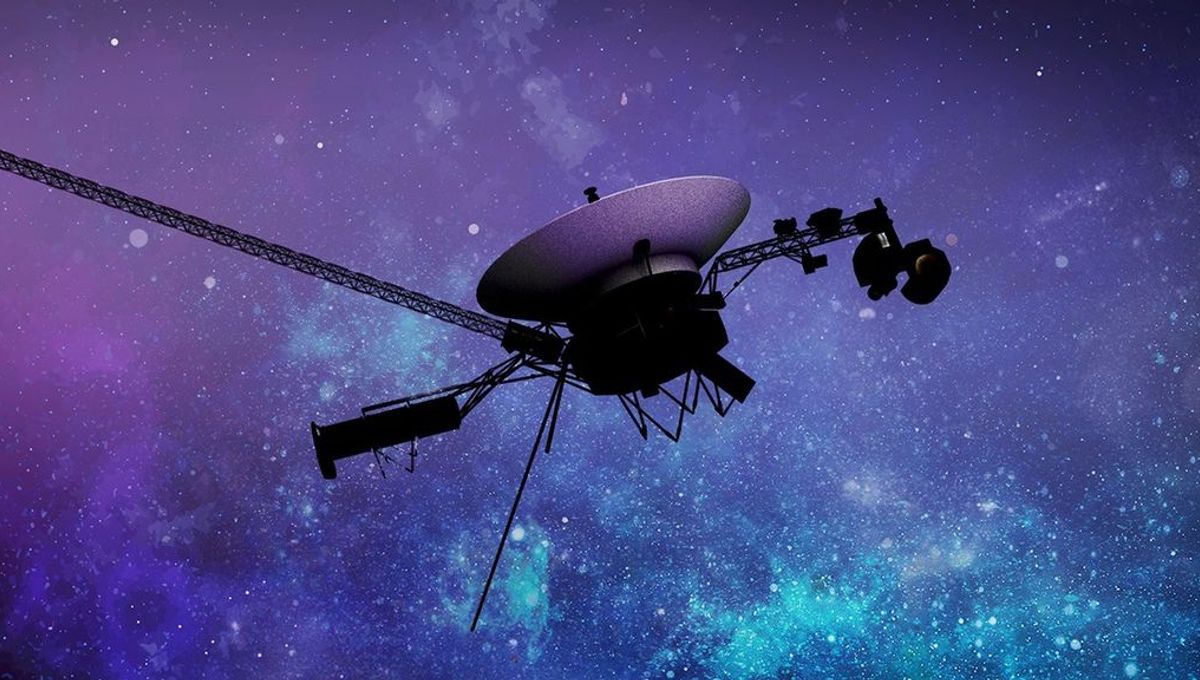
Since 2024, power constraints have forced mission operators to turn off two active science instruments on each Voyager spacecraft. Among them was the Low-Energy Charged Particles experiment, a tool that measured charged ions and offered valuable structural data regarding the interstellar medium.
Interstellar Milestones and What Lies Ahead for Voyager 1 and 2
Both spacecraft carry technology developed nearly five decades ago following their launches in 1977. Despite the passage of time, the remaining instruments are functioning smoothly. NASA plans to execute the same power-saving Big Bang
swap on Voyager 1 in the coming months.
As of early August 2026, Voyager 1 sits more than 25.57 billion kilometers away from Earth, while Voyager 2 cruises at a distance exceeding 21.37 billion kilometers. At its current trajectory, Voyager 1 is on pace to become the first human-made object to reach a distance of one light-day from Earth on November 13, 2026. Mission teams anticipate that both probes could remain within range of the Deep Space Network into the 2030s, allowing Earth to maintain communication before the distant explorers drift permanently beyond contact.