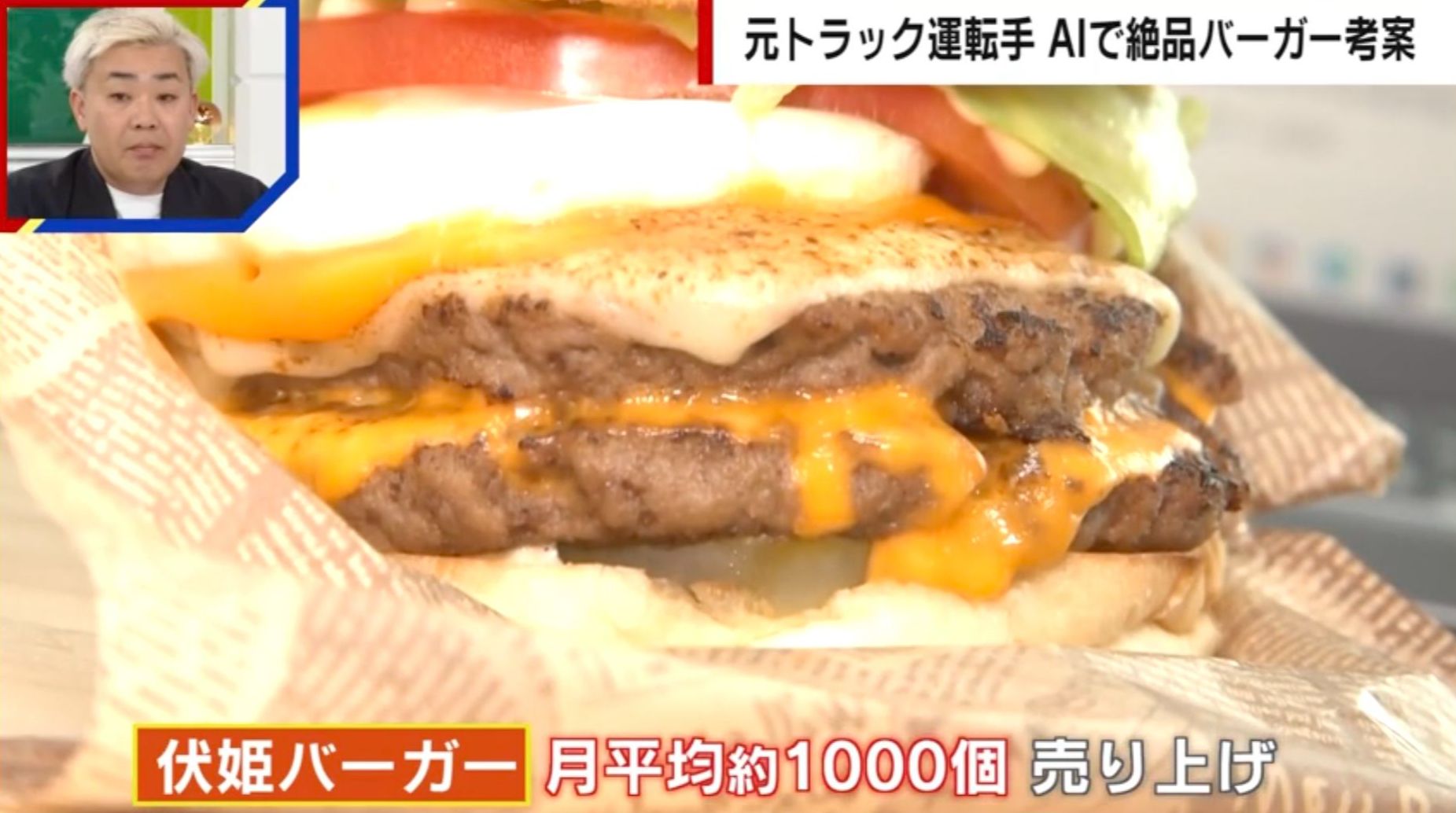
A 64-year-old former truck driver has found unexpected culinary success by using the artificial intelligence tool ChatGPT to formulate a popular hamburger recipe. Despite having no professional cooking background, the creator leveraged the conversational AI to engineer flavor profiles and ingredient ratios that resonated with consumers, sparking widespread digital interest and commercial curiosity.
The intersection of artificial intelligence and everyday entrepreneurship has yielded unconventional success stories across various industries, but culinary arts traditionally rely on decades of hands-on apprenticeship and tactile kitchen experience. By turning to a large language model for kitchen chemistry, this recent venture demonstrates how digital tools lower traditional barriers to entry in the food service sector.
As consumer habits shift toward novel food concepts discovered online, tech-assisted recipes are moving from experimental novelties into viable commercial products. Observers note that while algorithms can suggest flavor combinations based on vast datasets, executing those ideas on a commercial scale still requires logistical management and supply chain execution.
How Artificial Intelligence Shaped the Recipe
The development process began when the former driver decided to experiment with digital prompts to build a distinct hamburger flavor profile from scratch. Rather than relying on traditional culinary training, he queried the AI platform regarding fat-to-lean beef ratios, seasoning blends that complement seared meat, and bun structures capable of holding heavy condiments without sogginess.
ChatGPT processed these variables by analyzing standard flavor pairings and chemical reactions during the cooking process. The resulting formula outlined precise measurements for umami-heavy additions and spice balances designed to appeal to modern palates. Industry analysts point out that generative models excel at sorting through countless historical recipes to synthesize new variations, effectively acting as an instant research and development department for solo operators.
For individuals exploring similar tech-driven culinary projects, official digital safety guidelines and food handling standards remain accessible through agencies such as the U.S. Food and Drug Administration, which provides comprehensive resources on safe commercial food preparation and allergen management.
Transitioning From the Open Road to the Kitchen
Shifting careers at age 64 presents notable challenges, particularly when moving from long-haul transportation into the fast-paced hospitality and food service industry. The creator spent years navigating highways before applying systematic problem-solving skills to commercial kitchen operations, inventory management, and customer service demands.
Local response to the AI-conceived burger has drawn curious diners eager to taste the results of algorithmic cooking. Food critics and curious consumers alike have visited the operation to evaluate whether a machine-optimized recipe can outperform traditional diner classics crafted by seasoned line cooks.
Market researchers tracking food trends note that viral origin stories often drive initial foot traffic, but long-term viability depends on consistent execution and quality control. As consumer interest continues to grow around this digital-meets-kitchen experiment, observers await further updates on whether the concept will expand beyond its initial local footprint.
Keep reading