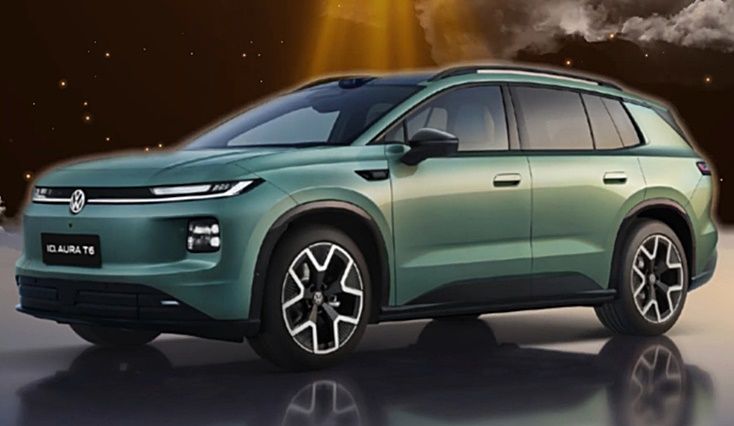
Volkswagen continues to reshape its global electrification strategy with the introduction of new models tailored specifically for regional markets, notably highlighting vehicles like the Volkswagen ID. Aura T6 electric SUV designed for consumers in China. As automotive manufacturers adapt to rapid shifts in consumer demand and strict emissions regulations across international jurisdictions, large legacy automakers are accelerating development cycles to compete directly with local EV giants. According to market analysts and industry reports, these localized vehicle launches reflect a broader strategic pivot by traditional Western brands to capture market share in the world’s largest electric vehicle ecosystem.
The development of models such as the ID. Aura T6 underscores how traditional engineering standards are merging with cutting-edge digital ecosystems demanded by contemporary buyers. Industry data shows that software integration, advanced driver-assistance systems (ADAS), and extended range capabilities remain top purchasing priorities for motorists in key metropolitan centers. By tailoring vehicle architecture and in-cabin technology to regional preferences, manufacturers aim to bridge the gap between established brand heritage and fast-moving technological innovation.
Market observers note that the pressure on legacy brands to modernize their electric portfolios stems from aggressive pricing strategies and rapid product iteration cycles driven by domestic competitors. This competitive tension has forced companies like Volkswagen to rethink supply chains, software deployment, and partnership models to maintain commercial viability in highly contested segments.
Strategic Shifts in the Electric Vehicle Market
The rollout of specialized electric SUVs highlights a decisive departure from one-size-fits-all global platforms. Automotive economists emphasize that regional customization is no longer optional for foreign brands operating overseas. Consumer expectations regarding infotainment responsiveness, cloud connectivity, and autonomous driving features require localized software engineering and dedicated digital infrastructure.
Furthermore, regulatory frameworks continue to dictate production timelines and powertrain specifications. Compliance with strict environmental standards necessitates continuous investment in battery efficiency and energy management systems. Industry figures published by trade associations indicate that investments in localized research and development have risen steadily over recent fiscal quarters as automakers strive to meet evolving compliance metrics.
Technological Integration and Consumer Expectations
Modern electric SUVs are increasingly judged by their digital capabilities rather than mechanical performance alone. Advanced connectivity, over-the-air update capabilities, and intuitive human-machine interfaces dominate showroom criteria. Analysts point out that buyers expect seamless integration between personal mobile devices and the vehicle’s central display units, pushing engineering teams to adopt consumer-electronics development speeds.
Safety and driver-assistance features also form a core pillar of modern automotive marketing. High-resolution sensor suites, lidar integration, and neural-net processing units are becoming standard expectations across mid-to-high-tier electric segments. These systems require rigorous testing and validation phases to ensure reliability under diverse driving conditions, ranging from dense urban traffic to long-distance highway transit.
Outlook and Industry Impact
As global supply chains stabilize and software architectures mature, the race for market dominance in the electric SUV sector enters a critical phase. Industry analysts project that profitability will increasingly depend on software monetization, battery cost reduction, and scalable manufacturing platforms. Stakeholders across the supply chain continue to monitor quarterly delivery figures and regulatory updates to gauge the long-term trajectory of legacy electrification efforts.
Future developments will likely hinge on how effectively traditional manufacturers can accelerate software deployment while preserving vehicle build quality and safety standards. Market participants anticipate further strategic alliances and joint ventures as firms seek to share development costs and pool technical expertise.
To stay informed on global automotive developments and regulatory filings, readers can consult official corporate announcements and filings provided by major financial and industry monitoring platforms. Share your thoughts on the evolution of global EV markets in the comments below.
Related reading