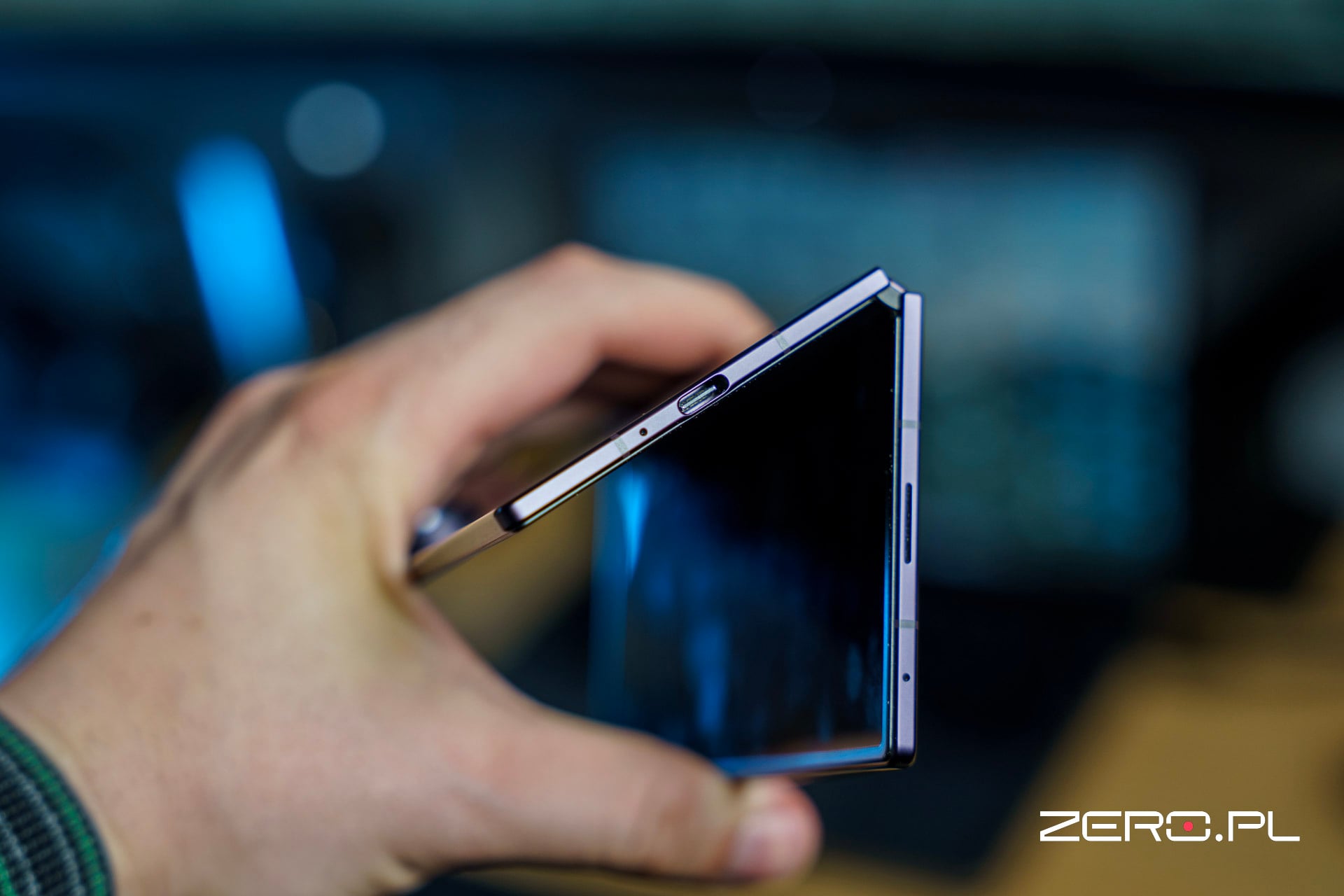
Slimmer smartphones have dominated engineering goals for over a decade, but consumer electronics manufacturers are now hitting a hard physical wall in their quest to shed millimeters. According to industry analysis and hardware engineering standards, the single largest obstacle preventing phones from getting thinner is the physical depth of the standard USB-C port. While processors shrink, batteries become denser, and bezels vanish, the universal connector remains bound by rigid physical dimensions that dictate a baseline thickness for modern mobile devices.
For years, smartphone brands have shaved fractions of a millimeter off internal components, transitioning from multi-lens camera bumps to stacked logic boards. Yet, the USB-C port requires a physical housing height of roughly 2.4 millimeters to accommodate its internal tongue, spring contacts, and structural shielding. When casing materials measure between 6 and 8 millimeters thick, that connector interface consumes nearly a third of the available interior space. Designing a device significantly slimmer than current flagship generations introduces severe structural vulnerabilities around the port cutout.
Hardware engineers point out that physical durability compounds the design challenge. Devices must withstand bending forces, repeated cable insertions, and drops without fracturing the logic board or snapping the port housing. Thinning the chassis beyond current thresholds weakens the surrounding frame. While alternative wireless charging technologies and portless concepts have circulated within experimental labs, consumer reliance on wired data transfer and rapid charging keeps physical ports mandatory for the global market.
Engineering Limits of Modern Mobile Hardware
The push toward ultra-thin mobile designs involves balancing thermal dissipation, battery capacity, and structural integrity. As components pack tighter, heat management becomes a primary bottleneck. Thinner chassis leave less room for vapor chambers and graphite cooling sheets, forcing processors to throttle performance earlier during sustained workloads. Furthermore, consumers consistently prioritize battery longevity over microscopic reductions in thickness.
Regulatory frameworks have also codified the physical standard. The European Union’s common charger directive legally mandates USB-C connectivity across portable electronic devices sold within the bloc, cementing the port’s physical footprint into global supply chains. Manufacturers cannot simply abandon the standard to chase extreme thinness without forfeiting access to major international markets.
The Future of Device Profiles and Wireless Integration
Industry observers note that future design shifts may rely on advanced solid-state batteries and more efficient wireless data protocols to bypass physical limitations entirely. Apple and other major manufacturers have repeatedly explored portless smartphone designs, removing traditional openings to improve water resistance and internal volume allocation. However, regulatory requirements and the slow transition of legacy accessories mean physical ports will remain standard for the foreseeable future.
As engineering teams evaluate the next generation of mobile architectures, consumer feedback and repairability standards will dictate whether ultra-thin handsets return to product roadmaps. For now, the physical dimensions of standard connectivity continue to set the absolute floor for smartphone thickness.
Related reading