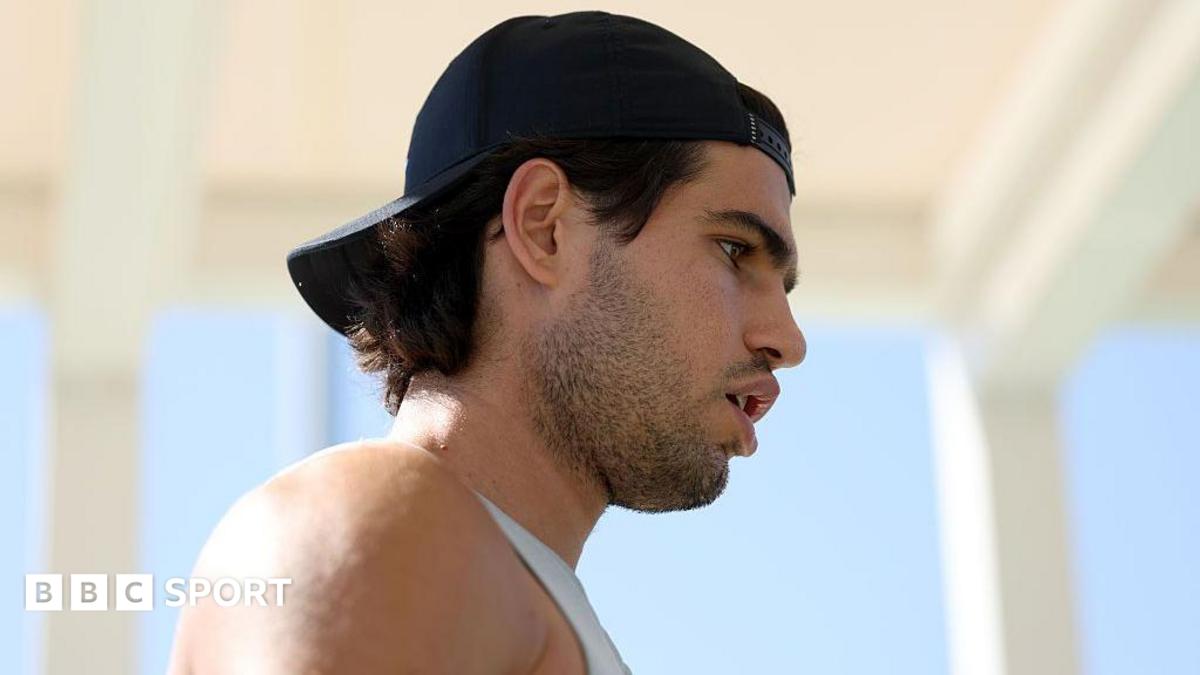
Carlos Alcaraz faces an increasingly uncertain path back to the ATP Tour as his ongoing recovery from a persistent wrist injury reaches a critical juncture. According to sports medicine specialists and recent tour updates, managing complex upper-extremity joint trauma in elite tennis players requires extreme caution to prevent chronic structural damage. With more than three months elapsed since his initial withdrawal from competitive play, the timeline for the former world number one’s return remains heavily scrutinized by analysts, physiotherapists, and fans alike.
The severity of joint setbacks in modern tennis stems from the immense kinetic forces generated during modern groundstrokes. Elite players like Alcaraz rely heavily on wrist snap and racket head speed to generate heavy topspin, placing extreme biomechanical stress on the extensor carpi ulnaris tendon and surrounding stabilizing ligaments. When these structures become inflamed or damaged, standard rehabilitation protocols often require prolonged immobilization followed by gradual, highly monitored loading phases.
Sports physiotherapists emphasize that rushing a comeback in racket sports routinely leads to acute setbacks. Because every stroke transfers shock waves directly through the wrist joint into the forearm, even minor lingering inflammation can alter a player’s stroke mechanics. Such mechanical adjustments frequently trigger compensatory injuries in the elbow, shoulder, or back, compounding the physical toll on the athlete’s body.
Understanding the Biomechanical Strain on Elite Tennis Wrists
The human wrist is an intricate network of small bones, cartilage, and stabilizing tendons that must withstand explosive, repetitive loads. During a professional tennis match, players strike hundreds of balls traveling in excess of 100 miles per hour, absorbing massive impact forces. According to clinical data published in sports orthopedics literature, the repetitive rotational torque required for modern forehands places the ulnar side of the wrist under intense vulnerability.
When an injury occurs in this region, medical teams typically employ a multi-phase recovery framework. The initial phase focuses entirely on reducing inflammation through targeted rest and physical therapy modalities. Once pain subsides, specialists introduce controlled range-of-motion exercises before slowly progressing to light ball-striking drills. Skipping any single step in this progression drastically increases the statistical likelihood of re-injury, turning a short-term absence into a multi-month layoff.
Implications for the ATP Tour Rankings and Competitive Momentum
An absence extending beyond 100 days fundamentally alters a player’s season trajectory and ranking points security. Alcaraz, who has established himself as a dominant force across hard courts, clay, and grass, misses critical opportunities to accumulate points at major tournaments. According to official ATP rankings rules, players defending significant titles from the previous season face inevitable point drops when sidelined for extended periods.
Beyond the numerical ranking impact, prolonged inactivity disrupts competitive rhythm. Top-tier tennis demands instantaneous decision-making, spatial awareness, and match fitness that practice sessions alone cannot replicate. Even after medical clearance, players often require several weeks of competitive play to regain their sharpest instincts and psychological confidence in the affected joint.
Next Steps in the Rehabilitation Process
Medical evaluations and fitness assessments scheduled by Alcaraz’s coaching and medical staff will dictate the precise moment he resumes tour-level competition. Fans and sports journalists continue to monitor official announcements from the player’s management team regarding his entry list status for upcoming Masters 1000 events.
We invite you to share your thoughts on Alcaraz’s recovery and its impact on the tennis season in the comments section below, and subscribe for ongoing updates as new medical bulletins are released.