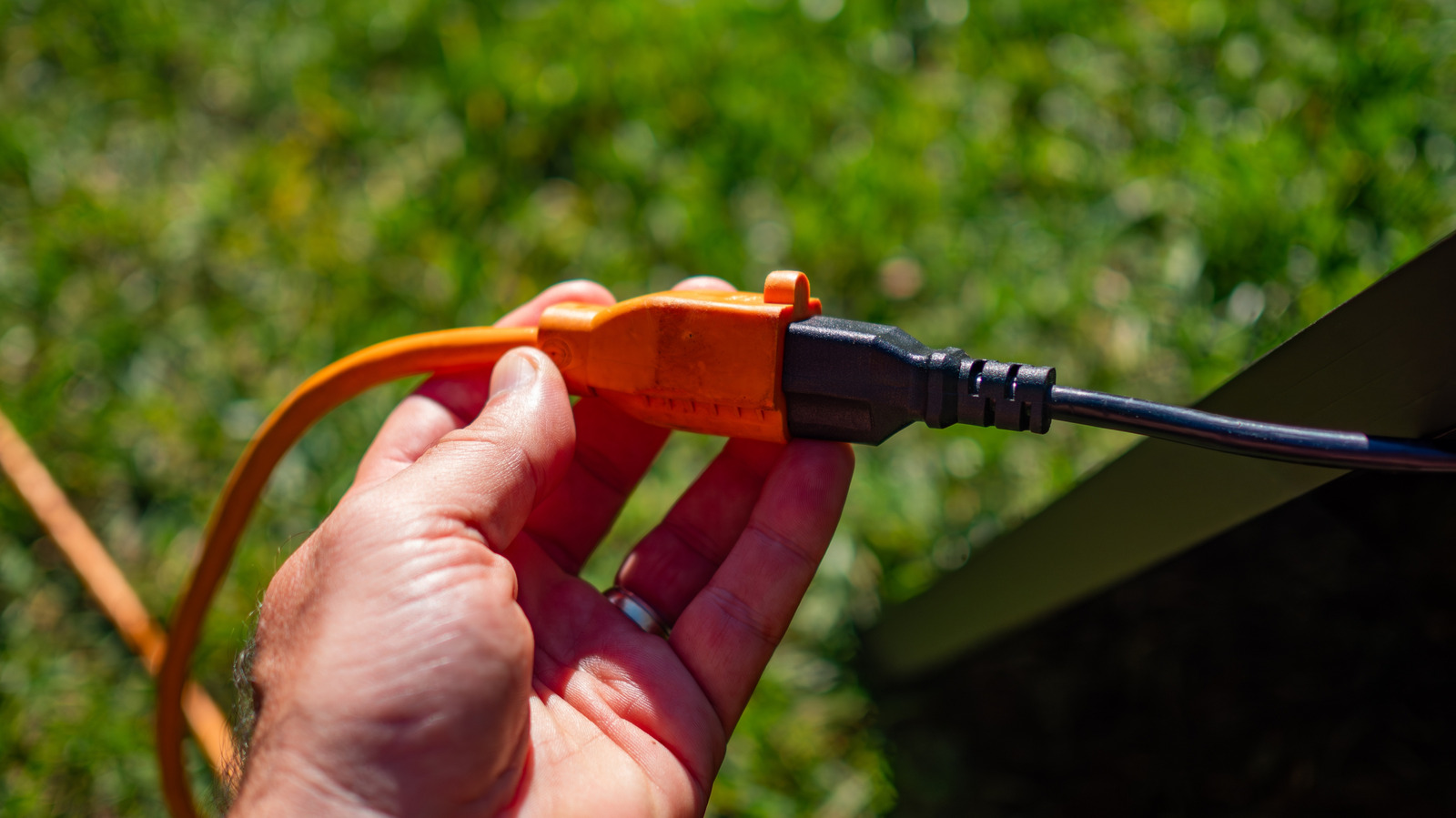
Using a temporary power line at a worksite might seem like a simple convenience, but improper setup violates federal safety mandates and risks severe electrical hazards. According to the Occupational Safety and Health Administration (OSHA), electrical incidents remain a leading cause of preventable workplace injuries and fatalities, prompting strict federal guidelines for flexible cords. For facility managers and safety officers across industries, understanding these regulations is essential for maintaining compliance and protecting workers from shocks, burns, and electrical fires.
Temporary power lines are subjected to harsh conditions, including heavy foot traffic, moisture, and sharp edges. Consequently, OSHA enforces specific standards under Title 29 of the Code of Federal Regulations to govern their deployment. Rather than treating flexible lines as permanent wiring solutions, safety inspectors look closely at how these devices are rated, protected, and maintained during routine facility audits.
1. Prohibition as a Substitute for Fixed Wiring
Under OSHA regulations, flexible cords and cables cannot be used as a substitute for the fixed wiring of a structure. According to federal standards, running temporary lines through walls, ceilings, floors, or doorways creates hidden wear points that can compromise insulation over time. Employers must rely on permanent electrical installations for long-term power needs rather than depending on flexible lines for permanent infrastructure.
When inspectors evaluate a workspace, they check whether temporary power lines are supplying equipment on a permanent basis. If a flexible line remains plugged into the same location for months to power stationary machinery, it typically fails federal compliance checks. Facilities must install permanent conduit and outlets where equipment requires continuous, fixed placement.
2. Mandatory Grounding and Three-Wire Design
Every flexible line used in a workplace must be designed with an equipment grounding conductor. OSHA requires that connected cords feature a three-wire configuration that includes a functional ground prong to prevent electrical shock hazards if an internal fault occurs. Using adapters that bypass this grounding feature—often referred to as cheater plugs—violates federal safety codes.
Furthermore, standard workplace regulations mandate that any temporary power line must be rated for hard or extra-hard usage, depending on the environment. Industrial settings require robust outer jackets capable of withstanding physical stress, chemical exposure, and wet conditions without exposing internal conductors.
3. Protection Against Physical Damage and Environmental Hazards
Workplace environments expose temporary lines to crushing weights from vehicles, foot traffic, and sharp equipment edges. OSHA standards require employers to protect flexible lines from physical damage. When lines run across aisles, driveways, or walkways, safety protocols dictate the use of heavy-duty crossover ramps or elevated clearance methods to prevent insulation failure and crushed wires.
Environmental factors also dictate placement. Unless specific lines carry explicit wet-location ratings, operators cannot use them in damp or standing water areas. Moisture intrusion into damaged jackets creates immediate short-circuit risks that threaten workers with severe electrical shock.
4. Visual Inspections and Defective Equipment Removal
Routine checks form a core component of federal workplace safety compliance. OSHA mandates that employers inspect all flexible lines, cord sets, and connected equipment before each shift for external defects. Any line showing frayed insulation, exposed copper strands, crushed outer jackets, or missing ground prongs must be removed from service immediately.
Workers finding damaged equipment must tag it out and pull it from the active rotation to prevent accidental use. Safety managers bear the responsibility of ensuring damaged units are either professionally repaired to original specifications or permanently discarded.
5. Limitations on Pulling, Splicing, and Fastening
How workers handle and secure temporary power lines is heavily restricted under federal guidelines. Pulling a line by its flexible cable rather than grasping the molded plug places undue strain on internal wire connections, leading to hidden internal breaks. OSHA rules also prohibit hanging lines from nails, sharp metal hooks, or structural bolts that can pierce the protective jacket.
Additionally, field repairs involving standard electrical tape are prohibited for damaged primary insulation. While specialized vulcanized splicing may be permitted under strict conditions for certain heavy-duty lines, standard workplace practice requires replacing compromised lines entirely to ensure worker safety.
Understanding Workplace Safety Enforcement
Compliance with federal electrical standards protects personnel and shields businesses from costly regulatory fines. Regulatory bodies conduct regular site audits, and electrical safety citations often rank among the most frequently assessed penalties in industrial manufacturing and construction sectors. Facility operators seeking detailed compliance documents and official guidance can consult the Occupational Safety and Health Administration portal for comprehensive regulatory text and safety bulletins.
Employers should review their current safety protocols, establish daily inspection checklists, and conduct training sessions to ensure all staff members recognize the hazards associated with temporary electrical lines. Maintaining a proactive approach to equipment maintenance helps organizations avoid citations and creates a safer environment for every worker.