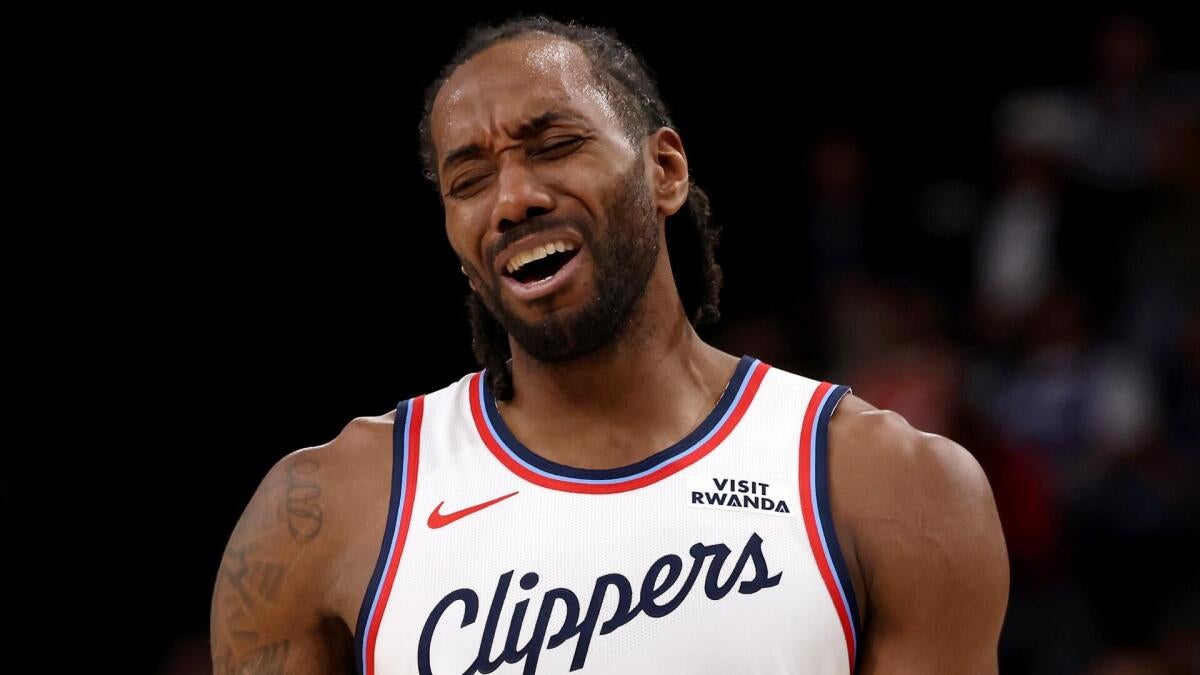
The unfolding scrutiny surrounding Kawhi Leonard has placed the Los Angeles Clippers and owner Steve Ballmer under an intense microscope, raising complex questions about salary cap compliance and potential league penalties. While investigations into player acquisitions and front-office practices rarely move swiftly, the complications threaten to reverberate across multiple franchises, including the Toronto Raptors and the player himself, according to league observers and investigative reports.
As the sports world waits for official determinations from the National Basketball Association, the core of the issue centers on allegations of shadow agreements designed to circumvent strict financial regulations. For Ballmer, whose financial resources have transformed the Clippers into a high-spending contender, the stakes involve both heavy financial penalties and potential forfeiture of draft assets. The league office retains broad discretionary powers under the collective bargaining agreement to punish circumvention schemes, creating a tense atmosphere in Southern California.
Understanding how severe these complications might become requires examining the historical precedent of league investigations, the mechanics of salary cap enforcement, and the specific exposure faced by each party involved. With billions of dollars and competitive equity on the line, the league’s enforcement arm faces immense pressure to thoroughly vet every transaction tied to the superstar forward’s movements.
Examining the Financial Regulations and Cap Circumvention Risks
The NBA operates under a rigid salary cap system designed to foster competitive balance among its 30 franchises. Circumventing these rules—whether through unauthorized third-party agreements, deferred compensation packages outside official contracts, or unrecorded endorsement deals—represents a severe violation of league bylaws. Under Article XIII of the collective bargaining agreement, the commissioner’s office holds the authority to void contracts, impose fines of up to millions of dollars per violation, and strip teams of future draft picks.
For Steve Ballmer, the immediate concern is not a lack of capital, but rather the integrity of the franchise’s front office operations. Ballmer purchased the Clippers in 2014 and has consistently expressed a desire to win within the rules while sparing no expense on facilities, coaching, and roster support. However, if independent investigators uncover evidence of unauthorized compensation arrangements, the fallout could test even a billionaire owner’s patience and stain the reputation of a newly modernized organization that recently opened the Intuit Dome in Inglewood.
Legal and financial analysts point out that proving a secondary deal requires a paper trail or credible testimony from participants willing to cooperate with league investigators. Without explicit proof of a parallel contract, the NBA’s enforcement division faces a high evidentiary hurdle. Nevertheless, the mere existence of a formal inquiry places the franchise on the defensive, forcing legal teams to review years of communications, sponsorships, and subsidiary business transactions.
Impact on the Clippers, Raptors, and Kawhi Leonard
The complications extend well beyond the Staples Center—now Crypto.com Arena—and the Clippers’ new practice facilities. The Toronto Raptors, the franchise that traded for Leonard and guided him to a championship in 2019 before his departure in free agency, also find themselves drawn into the timeline of scrutiny. While Toronto’s front office successfully managed his workload and secured a title, any historical agreements or recruiting practices from that championship era face retrospective analysis by league auditors.
For Kawhi Leonard, the personal stakes involve both his legacy and his current contract stability. Leonard signed a three-year, $152.4 million contract extension with the Clippers in January 2024, locking him in through the 2026-27 season. If the league determines that improper inducements influenced his past decisions to sign with specific teams, the player could face scrutiny regarding the validity of those agreements, though voiding active player contracts remains an extreme and rare measure in modern professional sports.
Stakeholders across the league are monitoring the situation closely because a ruling against the Clippers could establish a harsh new precedent for how aggressively the league polices secondary commercial partnerships involving star athletes. Teams routinely utilize affiliated corporate entities and marketing partners to build brand ecosystems around marquee talent, making the boundary between legitimate business and cap circumvention a delicate legal tightrope.
Next Steps in the Investigation
The timeline for resolution remains uncertain as league investigators continue gathering records and interviewing relevant personnel. Under NBA governance procedures, preliminary inquiries often take months to transition into formal disciplinary actions, depending on the cooperation of the teams and individuals involved. Fans and analysts seeking official updates can monitor announcements from the league’s operational headquarters in New York or review public statements issued through official league channels as the process unfolds.
What are your thoughts on how the league should handle salary cap investigations? Share your perspective in the comments below, and join the conversation as this story develops.
Keep reading