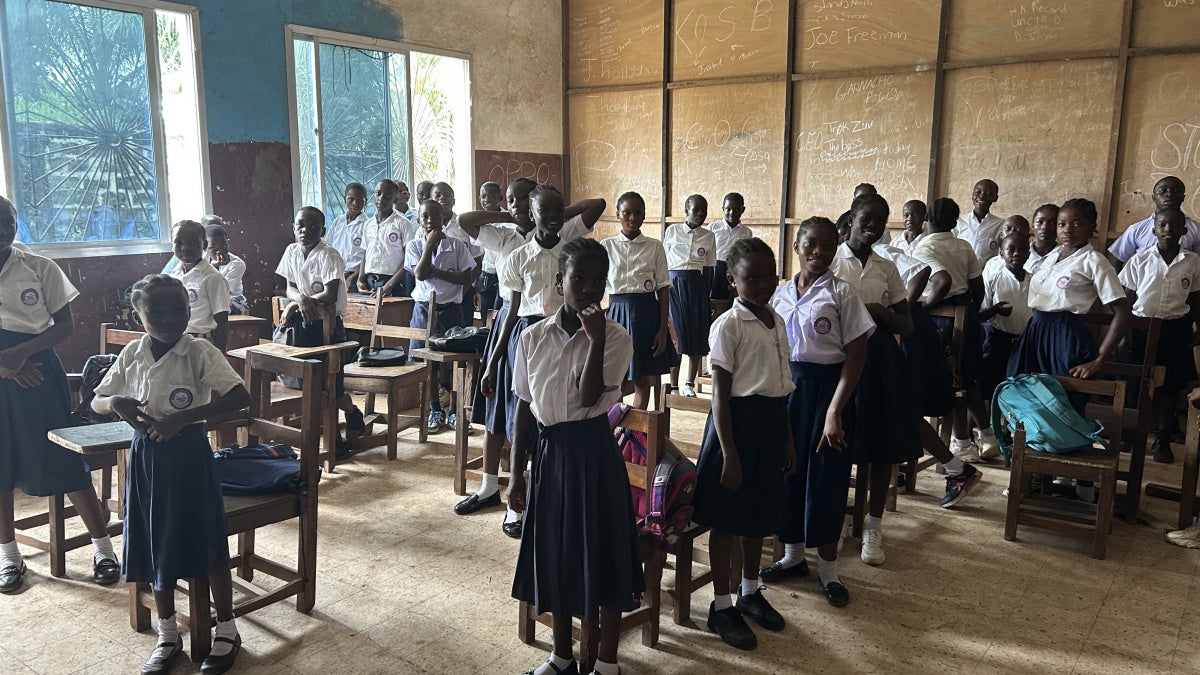
The Liberian government has officially announced the elimination of all school registration fees from kindergarten through grade 6, with the policy set to take effect for the upcoming academic year beginning September 7. According to a government announcement issued on August 5, the policy shift removes one of the most persistent financial obstacles keeping hundreds of thousands of children out of formal classrooms across the West African nation.
For years, mandatory administrative fees at public schools have placed basic education financially out of reach for impoverished and rural households. A comprehensive research report published by Human Rights Watch, titled “Without Education, There Will Be Nothing,” documents how these mandatory charges forced families into extreme debt, skipped meals, and severe economic hardship simply to enroll their children in primary classes.
According to Human Rights Watch findings, registration costs regularly drove children out of the education system entirely, delayed enrollment by years, or forced young students into child labor to help cover school expenses. Statistical data cited in the research indicates that approximately one-third of all Liberian children have never attended school, while only 17 percent manage to complete grade 9.
Families interviewed during the research described extraordinary personal sacrifices. Beatrice, a 17-year-old student from Nimba County, recounted being forced to leave her studies when her relatives could not raise the necessary registration money. “I felt bad,” she said, according to the report. “I stayed home and cried when I saw my friends going to school.”
Financial Barriers and Regional Impacts
The removal of primary school registration fees addresses a structural hurdle that has disproportionately penalized rural communities and low-income earners. While primary education is nominally free in many public institutions across the region, ancillary fees and registration costs have routinely functioned as de facto tuition barriers.
Fanell Decontee Dewee, a Liberian youth advocate who conducted peer-to-peer interviews with children for the Human Rights Watch assessment, emphasized the importance of the policy change. “For Liberian children, removing this key financial barrier is a meaningful step toward making primary education more accessible and equitable for all,” Dewee stated.
Roberto Cooper Jr., a Liberian child advocate who supported the research initiative, called the move a vital turning point. “This is a win for Liberia and an investment in our future,” Cooper said. “Every child deserves the opportunity to learn, grow, and succeed.”
Implementation and Expectations for the New Term
Ensuring the policy’s full implementation is viewed as essential for keeping vulnerable students enrolled through their primary years.