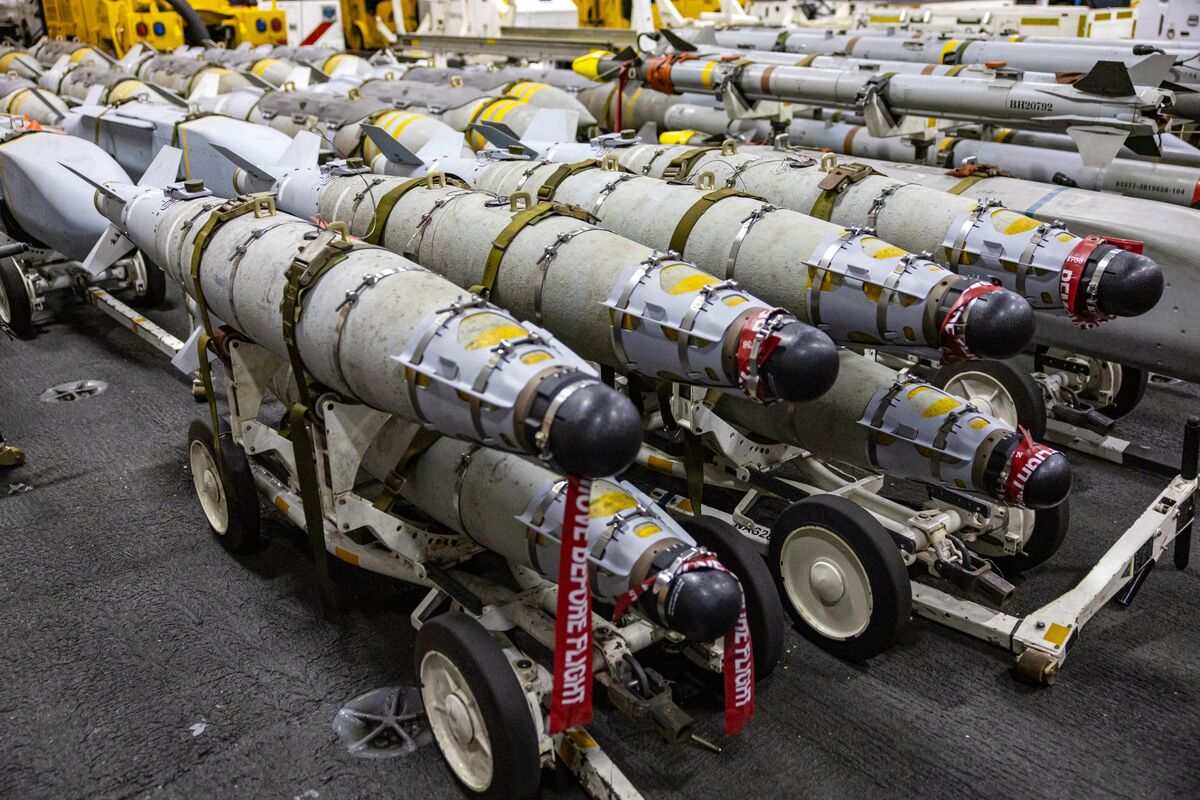
The United States Department of Defense has formally requested that major defense contractors accelerate the manufacturing of key weapon systems and munitions, according to reporting by Bloomberg. This urgent push to boost production follows mounting concerns among military planners regarding the depletion of critical stockpiles.
The manufacturing demands highlight growing anxieties within national security circles over the sustainability of current military inventories. As regional conflicts draw heavily on advanced interceptors and precision-guided munitions, defense officials are pressing industry leaders to expand assembly lines and shorten delivery timelines to ensure the nation maintains a strategic advantage against global competitors like Russia and China.
Recent discussions at Camp David involving Donald Trump and Pete Hegseth revealed sharp clashes regarding Iran missile depletion and the best path forward for replenishing depleted defense stocks, as detailed by The Washington Post. While administration officials debate strategy, the operational reality on the ground remains stark: current consumption rates far outpace peacetime manufacturing output.
Pentagon Pressures Defense Firms Over Shrinking Inventories
Military analysts and defense reporters have noted that the heavy expenditure of interceptor missiles and tactical hardware in the Middle East has exposed structural vulnerabilities in the defense industrial base. According to The New York Times, foreign adversaries are closely monitoring the rate at which Washington burns through high-end munitions, raising concerns about long-term readiness for large-scale contingencies in other theaters, such as the Indo-Pacific.
Industrial capacity constraints have long plagued the defense sector, limiting how quickly factories can scale up when sudden geopolitical crises erupt. For decades, production lines were optimized for efficiency and low-volume output rather than the mass mobilization required for sustained high-intensity warfare. According to TribLIVE, military leaders are now working directly with corporate executives to identify bottlenecks in supply chains, raw material shortages, and workforce deficits that hinder rapid manufacturing expansion.
Strategic Implications and Global Competitors
The strategic consequences of these dwindling stockpiles extend far beyond the Middle East. Security experts suggest that prolonged reliance on finite missile inventories could diminish Washington’s deterrence posture globally. As explored in analyses by The Atlantic, strategic advantages built over decades can be squandered quickly if industrial replenishment fails to keep pace with operational expenditure.
Defense contractors have acknowledged the requests from the Pentagon, though ramping up complex weapon systems involves significant lead times. Specialized microchips, rocket motors, and guidance systems cannot be manufactured overnight. Executives are currently reviewing facility expansions and shift increases to meet the military’s heightened demands, though supply chain bottlenecks continue to present formidable hurdles.
Next Steps for Military Procurement
The Department of Defense is expected to outline formal procurement targets and supplemental contracting awards in upcoming budgetary hearings before congressional defense committees. Lawmakers from both parties have signaled an openness to streamlining regulatory hurdles to fast-track defense manufacturing, though debates over funding allocations and contract oversight remain ongoing.
Readers seeking further details on defense policy updates and upcoming legislative hearings can monitor official releases published through the U.S. Department of Defense web portal. What are your thoughts on how the defense industrial base should respond to these challenges? Join the conversation by sharing your perspective in the comments below.
Related reading