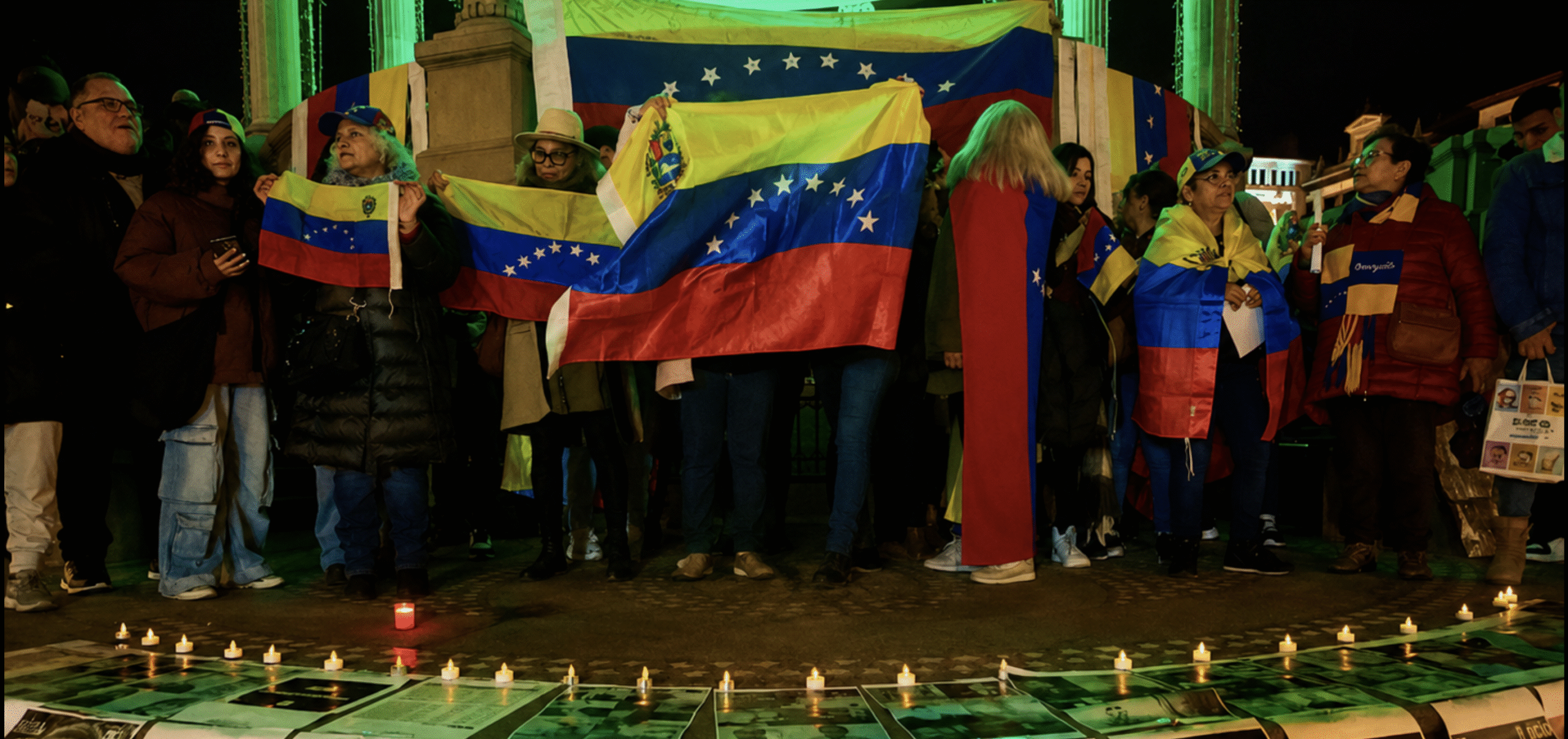
The acting government of Venezuela has formally finalized its decision to sever ties with the international judicial system governing grave human rights abuses, depositing an official withdrawal from the Rome Statute of the International Criminal Court (ICC). According to regional monitors and human rights organizations, the formal registration was recorded in the United Nations web repository, cementing a move that was initially signaled by state authorities in 2025 and reiterated in mid-2026.
Legal experts and international observers note that the formal notification, dated July 24, 2026, will officially take effect one year from its filing date under international treaty rules. However, international law organizations emphasize that the procedural exit does not extinguish past accountability or halt active inquiries into state-sponsored repression, leaving victims and international mechanisms to navigate a shifting legal landscape.
The unfolding diplomatic and legal standoff raises critical questions regarding accountability for victims of state repression, the jurisdiction of international tribunals, and the future of human rights monitoring in South America.
Legal Scope of the ICC Investigation Amid Venezuela Withdrawal
The decision to abandon the ICC treaty framework arrives while an active judicial inquiry remains underway within The Hague. According to announcements by the ICC Office of the Prosecutor (OTP), the ongoing criminal investigation into potential crimes against humanity in Venezuela retains full jurisdiction over events predating the formal exit timeline.
The preliminary examination into the situation in Venezuela was initiated by the OTP in 2018. Following subsequent reviews, the tribunal formally opened an active investigation on November 3, 2021. That mandate focuses specifically on alleged crimes against humanity—including severe deprivation of liberty, torture, sexual violence, and politically motivated persecution—perpetrated since at least April 2017 by state security forces, civil authorities, and aligned civilian groups.
Under the governing framework of the Rome Statute, a state party’s withdrawal does not affect criminal investigations or proceedings that commenced prior to the effective date of the exit. Consequently, international legal analysts point out that ongoing probes by the OTP remain fully empowered to investigate historical abuses, regardless of the acting government’s diplomatic maneuvers.
International Human Rights Response and Victim Advocacy
Human rights organizations have sharply criticized the withdrawal, characterizing it as an intentional strategy to evade judicial scrutiny. Ana Piquer, Amnesty International’s Americas Director, stated that the acting government’s action represents the culmination of prolonged efforts to shield perpetrators from accountability for severe international law violations.
Despite the state’s withdrawal from the Rome Statute, advocacy networks stress that avenues for justice outside domestic jurisdiction remain active. Organizations like Amnesty International continue to support proceedings grounded in the principle of universal jurisdiction, alongside ongoing fact-finding missions.
Documentation compiled over years by international bodies highlights a systematic pattern of repression. Findings published by the UN international independent Fact-Finding Mission (FFM) and echoed by the OTP have previously detailed widespread extrajudicial executions, arbitrary detentions, enforced disappearances, and politically driven persecution directed against civilian populations.
Upcoming UN Human Rights Council Mandate Renewal
With domestic avenues for justice constrained and the state formally distancing itself from the ICC, international attention now turns toward the United Nations system. The formal registration of Venezuela’s withdrawal places heightened strategic importance on the upcoming session of the UN Human Rights Council scheduled for September and October.
During these high-level meetings, member states will evaluate the renewal of the Fact-Finding Mission’s mandate. Human rights advocates argue that sustaining independent investigative bodies is more critical than ever to preserve evidence, support survivors, and maintain international oversight of ongoing violations against dissidents and civil society actors inside the country.
As the international community monitors these diplomatic developments, thousands of victims and their families continue to pursue truth, reparations, and guarantees of non-repetition through transnational legal channels.
Readers seeking further updates on international judicial proceedings and human rights mechanisms can consult official updates published through the United Nations web repository and the International Criminal Court portal. We invite our readers to share their perspectives on these developments in the comments section below.