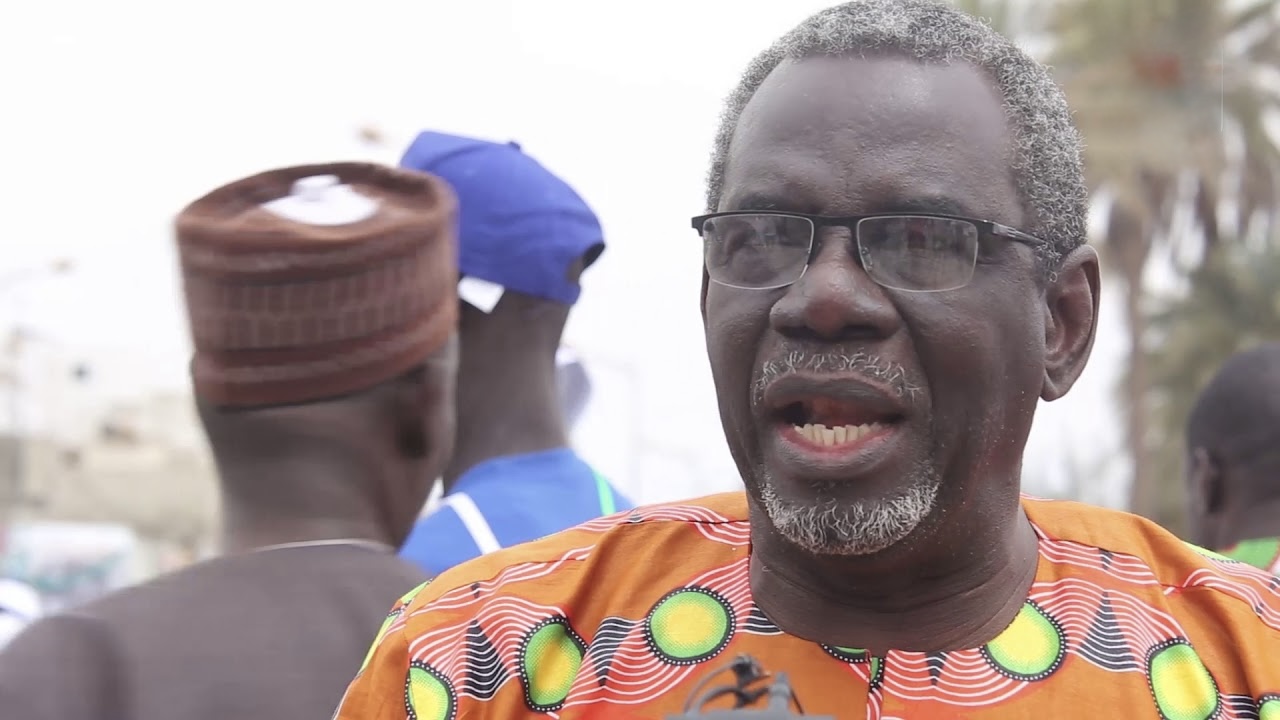
The Senegalese political landscape faces renewed tension following sharp criticism from veteran politician El Hadj Momar Samb regarding recent administrative moves involving the control of special funds. According to public statements broadcast by the Radiodiffusion Télévision Sénégalaise, Samb characterized the government-led oversight initiatives as a calculated political maneuver rather than a genuine administrative reform.
As the leader of the RTA (Rassemblement des Travailleurs Africains-Sénégal) and a well-known figure within Senegal’s political sphere, Samb questioned the timing and true intent behind the heightened scrutiny directed toward discretionary state accounts. The public broadcaster highlighted his concerns as part of ongoing national debates regarding state transparency, public spending accountability, and the checks and balances governing executive expenditures in Dakar.
The controversy centers on how special funds—discretionary allocations traditionally managed through executive offices—are audited, monitored, and reported to the public. While transparency advocates argue that rigorous oversight is essential for good governance, opposition figures and allied critics like Samb contend that these regulatory pushes are frequently deployed as instruments of political pressure rather than objective fiscal management.
Understanding the Debate Over Special Funds in Senegal
Special funds have long occupied a sensitive space in Senegalese public finance. These accounts, designed to provide the executive branch with flexible resources for security, emergency interventions, and diplomatic initiatives, operate outside standard budgetary approval processes. Over successive administrations, civil society organizations and opposition lawmakers have demanded stricter controls to prevent misuse.
However, when governing authorities initiate audits or tighten reporting requirements, the move often triggers intense partisan reactions. According to coverage from Radiodiffusion Télévision Sénégalaise, El Hadj Momar Samb argued that selective enforcement and politically charged framing undermine public trust in democratic institutions. He emphasized that genuine institutional reform requires consistent, transparent applications of the law rather than targeted measures aimed at political opponents or shifting public narratives.
The debate also touches on the broader institutional framework in Senegal, where oversight bodies such as the Court of Audit (Cour des Comptes) and the National Assembly play critical roles in reviewing public accounts. Observers note that while these oversight mechanisms possess the legal mandate to inspect state finances, their effectiveness often depends on political will and the independence of administrative appointments.
Stakeholder Reactions and Broader Political Implications
The remarks by the RTA leader reflect a deeper polarization within the political class regarding governance reforms introduced under current state leadership. Supporters of the administration maintain that increased tracking of state resources fulfills campaign promises of accountability and clean governance. They argue that shining a light on discretionary spending marks a decisive break from past opacity.
Conversely, critics align with Samb’s perspective, warning that administrative procedures risk being weaponized to sideline political adversaries. This tension underscores the fragile balance between executive authority and legislative or judicial oversight in West Africa’s democratic transitions. Citizens and civil society groups tracking these developments look to official institutional reports and parliamentary debates for clarity on how public funds are managed.
As discussions continue across national media platforms and political forums, the public awaits further official disclosures from financial regulatory bodies regarding the scope and findings of any ongoing audits. Observers note that upcoming parliamentary sessions and independent institutional reports will provide crucial benchmarks for evaluating the transparency and fairness of these fiscal measures.
Keep reading