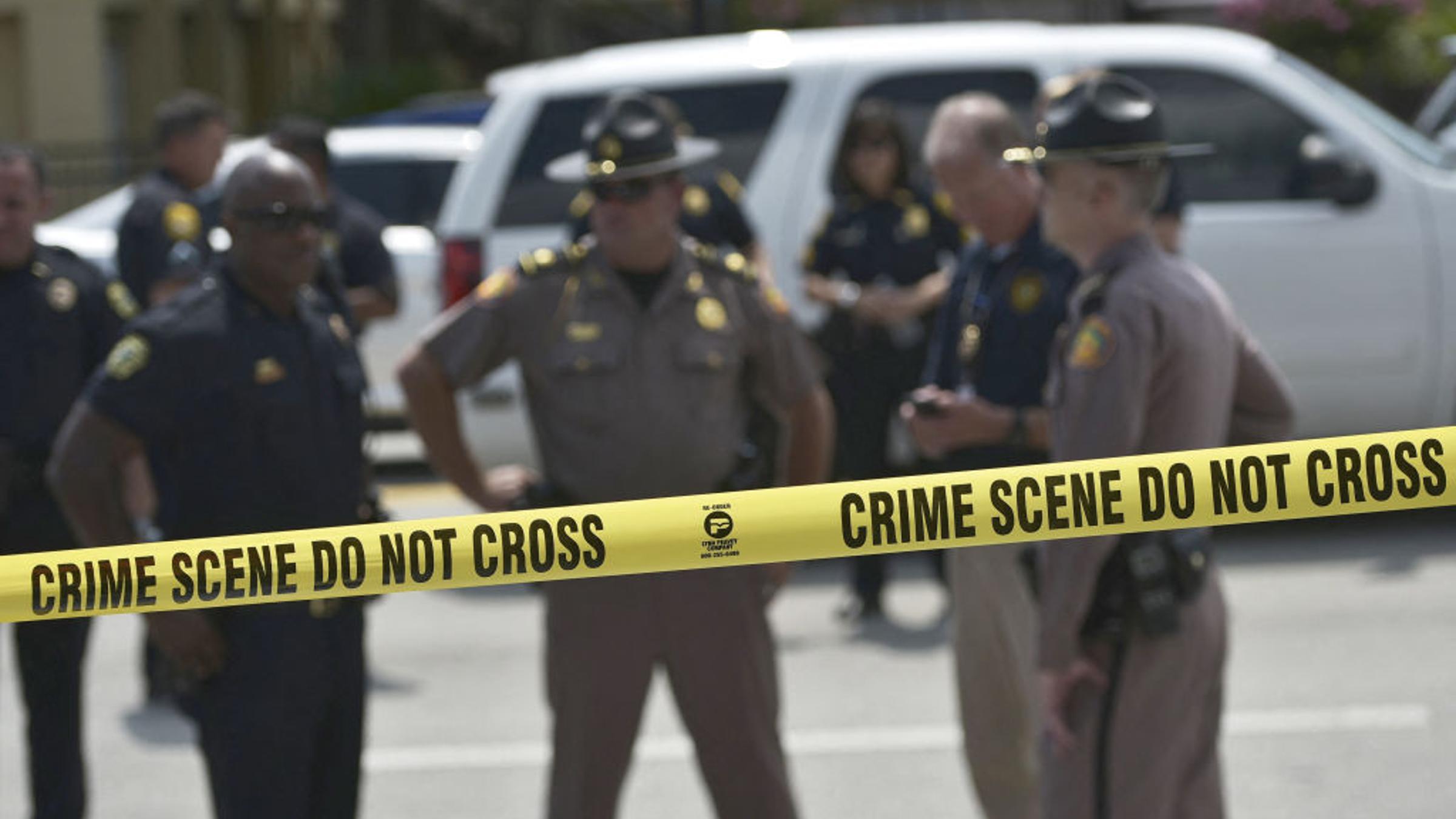
The Hidden Toll Beyond the Crime Scene
When a mass shooting tears through an American community, the immediate death toll—such as 26 victims at Sandy Hook Elementary, 49 at the Pulse nightclub in Orlando, or 58 in Las Vegas—becomes the headline and the official measure of the horror. But the damage does not stop at the crime scene. Millions of Americans who are nowhere near the site experience the damage as it ripples outward.
Mapping a Lethal Ripple Effect
Quantifying this broader national fallout has long challenged experts, but a study published in JAMA Psychiatry has mapped out a hidden toll. According to researchers analyzing federal databases and public behavior, fatal traffic crashes across the United States increase significantly in the immediate wake of major mass shootings, revealing a lethal ripple effect that extends far beyond the original tragedy.
Isolating Mass Casualties Through a Natural Experiment
To uncover how nationwide trauma translates into physical danger, the study combined a federal database that logs every fatal crash on U.S. roads with FBI data on mass shootings over a 15-year period. Researchers compared traffic fatalities in the days immediately preceding each shooting against fatalities recorded the day after the event.
The timing was selected because public attention peaks the day after a mass shooting. Analyzing Google search traffic data, the study revealed that digital queries for the word “shooting” reach their highest point the following day, coinciding with peak media coverage and social media saturation. Because the timing of a mass shooting is essentially random relative to standard driving patterns, the calendar functions as a natural experiment, allowing researchers to isolate the event’s impact against normal baseline road mortality.
Statistical Spikes Correlate With National Attention
The findings showed that on the day following the 10 mass shootings with the most fatalities, traffic deaths rose by an average of 14.3%. This statistical jump translates to roughly 20 additional deaths nationwide in a single day—a figure equivalent to approximately 75% of the number of people killed in the shootings themselves.
To ensure the spike was not an anomaly, the research team repeated their analysis 10,000 times using randomized, artificial dates instead of actual mass shooting dates. A traffic fatality increase of that magnitude appeared in only one out of those 10,000 iterations, confirming that the association was highly unlikely to be a coincidence.
Furthermore, the data showed that the surge in traffic fatalities persisted across diverse driving conditions, regions, and weather patterns. The increase occurred even in states far removed from the physical site of the shooting, ruling out localized factors such as road closures or strained emergency response infrastructure. When researchers examined active-shooter incidents with no fatalities—events that drew much less public attention—they observed no corresponding rise in traffic deaths.
Accounting for the Full Scope of Mass Violence
While the study established a clear statistical connection between national tragedy and subsequent road fatalities, researchers emphasized that the data cannot pinpoint the exact psychological mechanism at play. Distraction, acute grief, anxiety, or a phone lighting up with notifications could all play a role; some mix is likely at work, and researchers cannot fully untangle them.
The broader takeaway, however, points to the invisible scale of mass violence in an interconnected society. Public health tracking has previously documented other downstream consequences, including rising antidepressant use among teenagers living near a school shooting and an increase in accidental gun deaths following spikes in firearm purchases.
By demonstrating that traffic fatalities climb in the wake of mass casualties, the study suggests that society’s accounting of these tragedies remains incomplete. Understanding the full scope of how national trauma ripples across the population is intended to inform more thoughtful responses in the media, on Capitol Hill, or in our homes and communities.
Keep reading