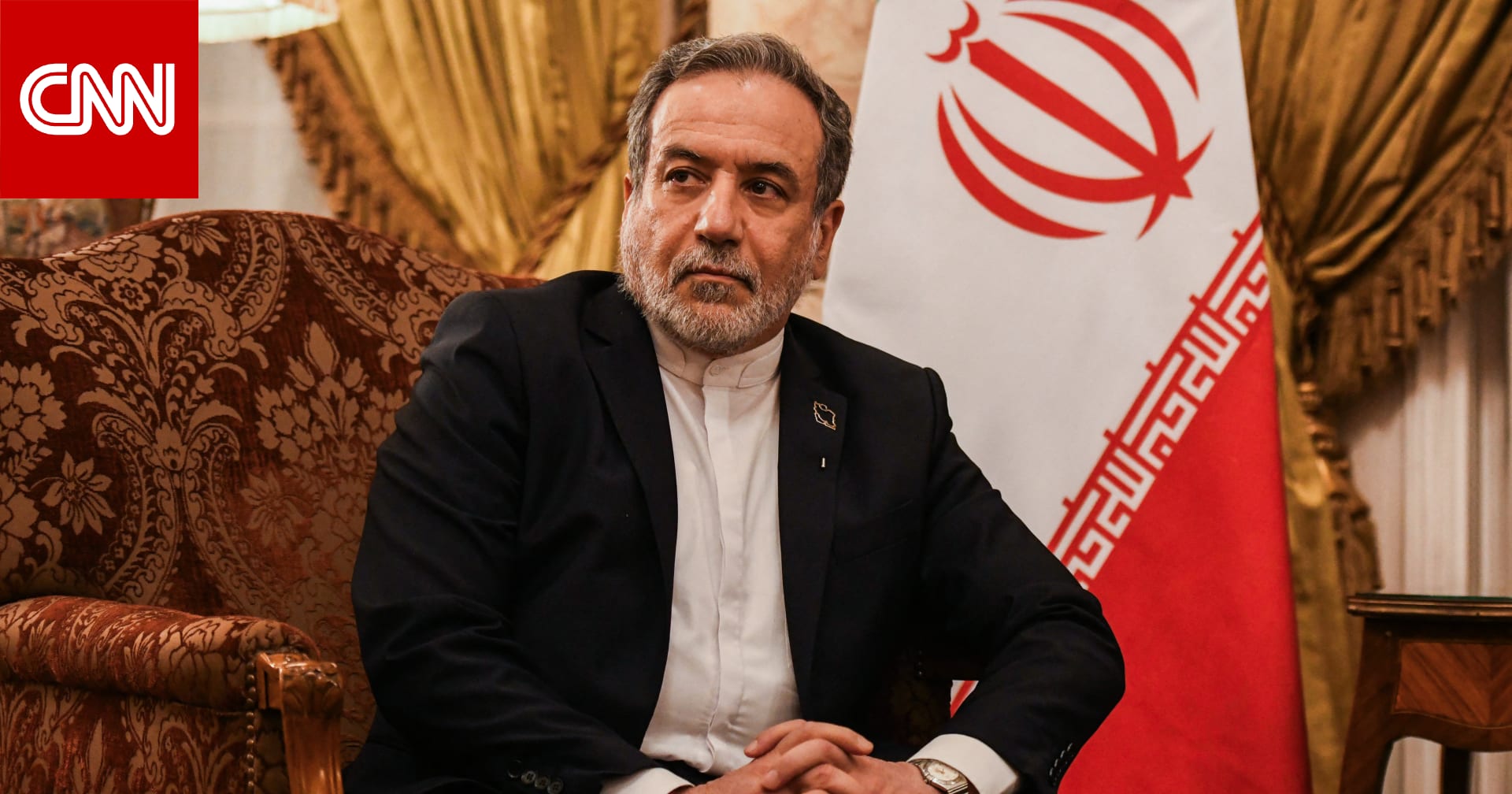
The Iranian government has conditioned the full restoration of maritime traffic through the Strait of Hormuz on a series of concessions from the United States, signaling a continued impasse in regional diplomatic efforts. Tehran maintains that any movement toward reopening the strategic waterway—a critical artery for global energy supplies—is contingent upon Washington addressing specific demands, which Iranian officials describe as prerequisites for easing tensions in the Persian Gulf.
According to reports from the region, authorities in Oman have characterized the current status of negotiations regarding the Strait of Hormuz as occurring in a positive and constructive atmosphere, though concrete breakthroughs remain elusive.
Stated Conditions and Diplomatic Stagnation
Tehran’s official stance emphasizes that no substantive discussions with the United States can proceed while existing memorandums of understanding remain, in their view, violated. Iranian leadership has repeatedly linked the operational status of the Strait of Hormuz to broader geopolitical demands.
The United States, for its part, continues to express skepticism regarding Iranian intentions. Officials in Washington have maintained that they will assess Iranian commitments based on tangible actions rather than rhetoric.
Regional Security and the Role of Non-State Actors
The situation at the Strait of Hormuz is further complicated by the activities of regional groups, including Houthi forces, who have continued to conduct operations targeting Saudi infrastructure.