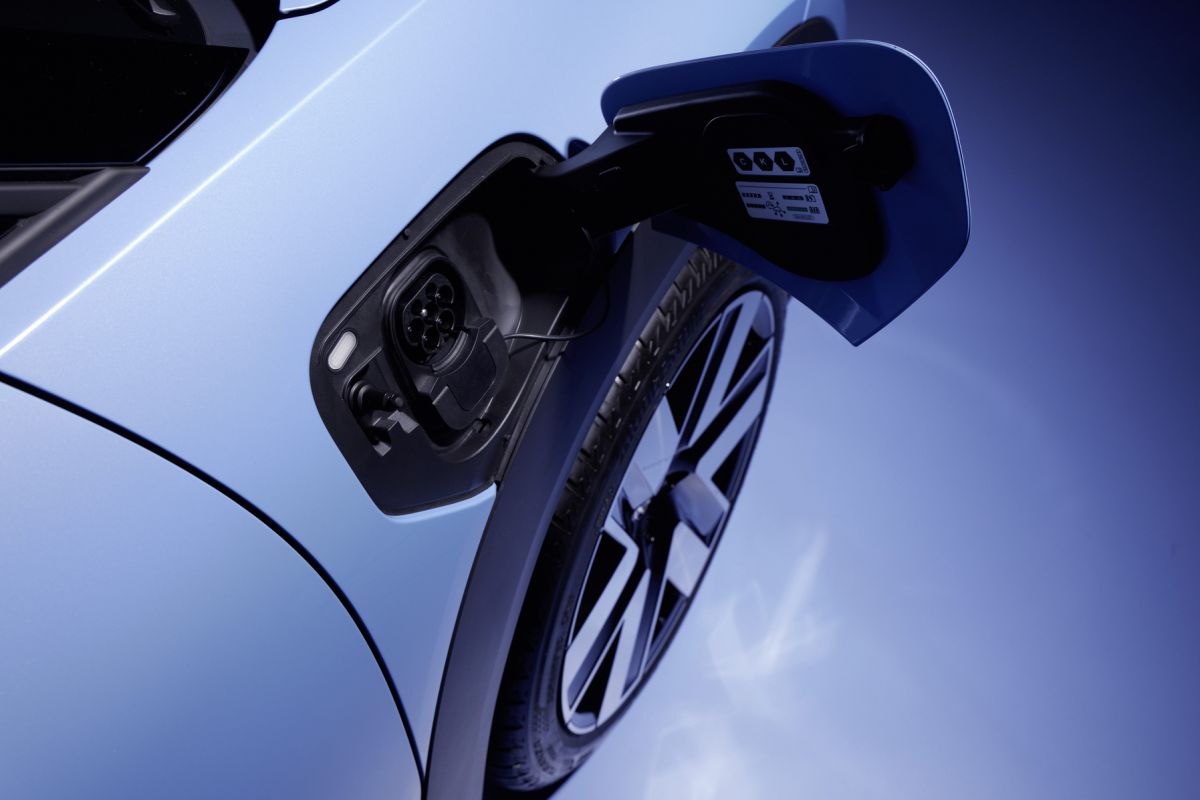
Electric vehicle (EV) registrations in Germany reached a significant milestone in recent months, climbing to nearly 30 percent of all new vehicle registrations according to industry data. This shift reflects a broader transition within the European automotive sector as manufacturers and consumers navigate changing regulatory environments and evolving market incentives. While monthly figures fluctuate due to subsidy adjustments and supply chain variables, the upward trajectory underscores the shifting composition of the German automotive fleet.
The German Federal Motor Transport Authority, known as the Kraftfahrt-Bundesamt (KBA), tracks these registration statistics as part of its mandate to monitor national vehicle trends. According to the KBA’s latest reporting, the market share for battery-electric vehicles (BEVs) has seen periods of notable growth, though the pace remains sensitive to government policy and the expiration of financial incentives. The nearly 30 percent threshold represents a localized peak in a market that has historically been dominated by internal combustion engine vehicles.
Market Dynamics and Regulatory Influence
The adoption of electric mobility in Germany is closely tied to the federal government’s climate targets and the availability of purchase premiums. Historically, the “Umweltbonus” or environmental bonus provided significant financial support to buyers, which directly influenced registration spikes. Following the abrupt conclusion of these subsidies in December 2023, as reported by the German Federal Ministry for Economic Affairs and Climate Action, the market experienced a period of adjustment. Analysts note that the current registration figures reflect a stabilization phase as manufacturers adjust pricing strategies to maintain demand without state-funded support.
Infrastructure development continues to be a primary focus for stakeholders. The German government’s “Masterplan Ladeinfrastruktur II” outlines the strategic expansion of charging networks, aiming to provide sufficient density to support the growing number of electric vehicles on the road. Verified data from the Bundesnetzagentur, the federal agency for electricity, gas, telecommunications, post, and railway markets, confirms that the expansion of public and private charging points is a key metric for sustaining long-term EV adoption rates.
Comparative Analysis of European EV Adoption
Germany’s progress occurs within the context of the European Union’s broader “Fit for 55” legislative package, which mandates a significant reduction in CO2 emissions from new cars by 2035. When compared to other major European economies, Germany’s registration data highlights both the challenges and the potential of the transition. While Nordic countries like Norway have achieved much higher penetration rates due to long-standing tax exemptions and policy consistency, Germany’s scale makes its progress a decisive factor for the European automotive industry’s overall decarbonization trajectory.
Industry reports from the European Automobile Manufacturers’ Association (ACEA) indicate that the transition to electric mobility is uneven across the continent, largely due to disparities in purchasing power and charging infrastructure. In Germany, the presence of legacy automotive giants—including Volkswagen, BMW, and Mercedes-Benz—means that the transition is not only a matter of consumer choice but also a fundamental restructuring of the country’s industrial backbone.
Challenges to Sustained Growth
Despite the recent surge in registrations, industry experts point to several headwinds. High energy costs, the volatility of battery raw material prices, and the ongoing debate regarding the future of synthetic fuels (e-fuels) create uncertainty for both fleet managers and private buyers. Furthermore, the residual value of electric vehicles remains a topic of scrutiny in financial markets, as lease providers and banks recalibrate their risk assessments based on the rapid evolution of battery technology.
The KBA continues to publish monthly registration updates, which serve as the primary barometer for the health of the EV transition in Germany. Stakeholders are now looking toward the next quarterly reports to determine whether the 30 percent registration share represents a sustained trend or a temporary fluctuation influenced by end-of-year sales tactics. For prospective buyers and industry observers, the most authoritative source for ongoing developments remains the official portal of the Kraftfahrt-Bundesamt, where detailed breakdowns by vehicle segment and manufacturer are updated regularly.
Market participants expect the next significant update on national trends to be released by the KBA in the upcoming monthly report. Readers interested in the specific impact on domestic manufacturers or regional registration patterns can monitor the agency’s official releases for the most recent statistical data. We welcome your insights on how these registration trends reflect the broader economic shifts in your local market—feel free to share your perspectives in the comments section below.
Related reading