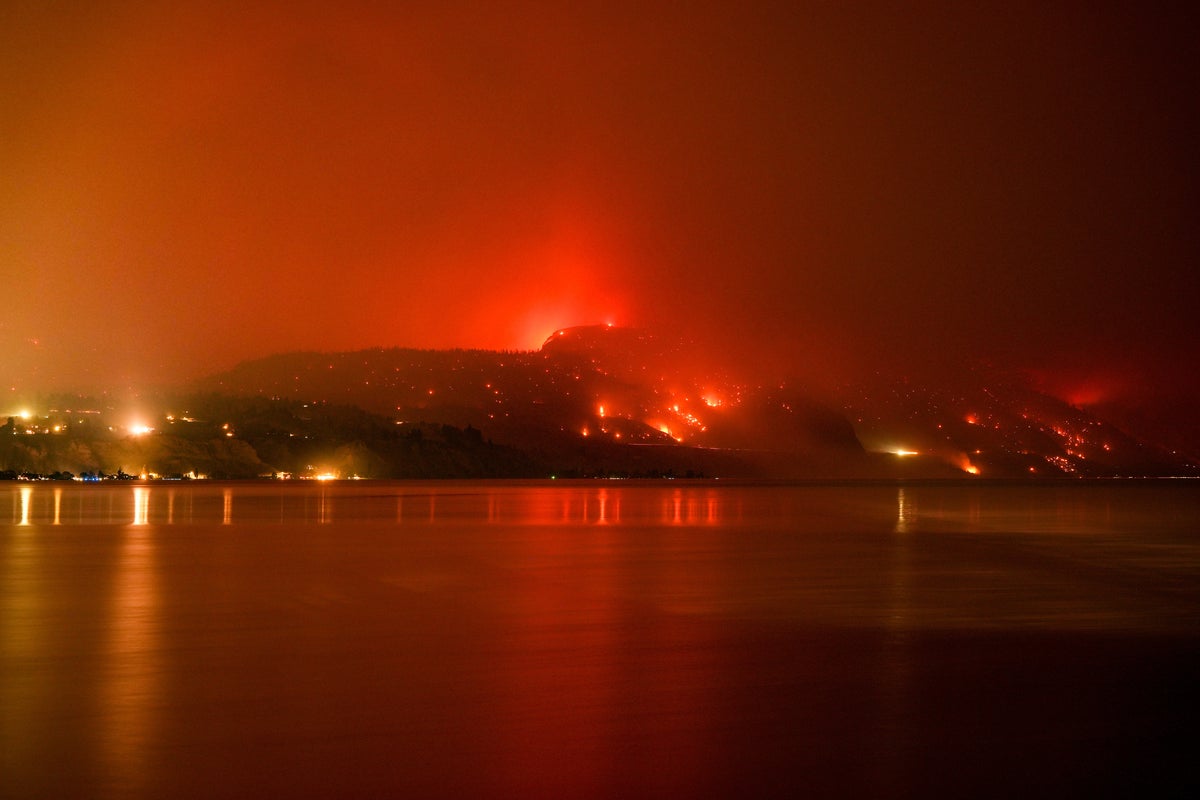
Tens of thousands of residents across western North America faced mandatory evacuations over the weekend as fast-moving wildfires tore through drought-stricken timberlands and communities in British Columbia and several U.S. states. The simultaneous flare-ups prompted emergency declarations, drew thousands of firefighters to front lines, and left communities reckoning with widespread property damage and severe life-safety threats.
According to the British Columbia Wildfire Service, over 20,000 people were forced to flee their homes along Okanagan Lake in British Columbia over the weekend as an aggressive wildfire destroyed properties and forced emergency personnel to rescue dozens of stranded residents by aircraft. Later Sunday, the Royal Canadian Mounted Police confirmed that an 80-year-old woman died while trying to escape the fast-moving flames in the Okanagan region, marking a tragic toll as provincial officials managed more than 100 active fires and a newly declared state of emergency.
Across the border, extreme heat and dry conditions drove a massive surge in wildfire activity. The National Interagency Fire Center reported 183 new fires across the U.S. since Saturday, with more than 30,000 personnel and 640 crews assigned to battle more than 94 large blazes nationwide.
Okanagan Lake Evacuations and British Columbia State of Emergency
In western Canada, the crisis escalated rapidly on Friday and Saturday as dry lightning storms and high wind gusts fueled volatile fire conditions. The Bald Range fire, first reported Friday evening, triggered immediate evacuation orders for roughly 8,000 people in and around Peachland, while neighboring Summerland—home to about 12,000 residents—was heavily impacted as smoke and flames advanced on residential ridges. According to accounts from displaced residents, thick smoke turned morning skies pitch black as families fled with little warning.
“You couldn’t see barely. It was, it was just dark, and the ridge, the ridge of fire just coming towards you,” said Anette Boulet, a Summerland resident who evacuated to a center in Penticton, as reported by ABC News. “There’s no words to express it. The fear.”
British Columbia Premier David Eby announced on social media that the provincial government was coordinating closely with emergency response units. Meanwhile, Eleanor Olszewski, Canada’s minister of emergency management and community resilience, stated on social media that federal assistance had been officially approved to provide emergency shelter and accommodations for displaced individuals.
According to the British Columbia Wildfire Service, high temperatures and lingering wind gusts continued to challenge firefighting efforts across the southeastern parts of the province and the central Interior, where dry lightning and limited precipitation created a high potential for new ignitions.
Spokane Area Cleanup and Washington State Containment Operations
South of the border in Washington state, fire management teams shifted from active defense to mop-up operations after a series of blazes scorched more than 10,000 acres in the Spokane area. Officials reported that crews made exceptional progress establishing containment lines around multiple fires that had previously damaged or destroyed approximately 920 structures over the preceding week.
Laurie Allen, a resident of Nine Mile Falls north of Spokane who evacuated with her husband, dog, and two kittens, described the tense days spent waiting for news of her property. “I’ve been here 65 years. It’s never happened,” Allen said, as detailed by ABC News. “We didn’t think about anything but grabbing our animals and leaving. But now it’s affected so many of our friends and family around. So it’s pretty dang devastating.”
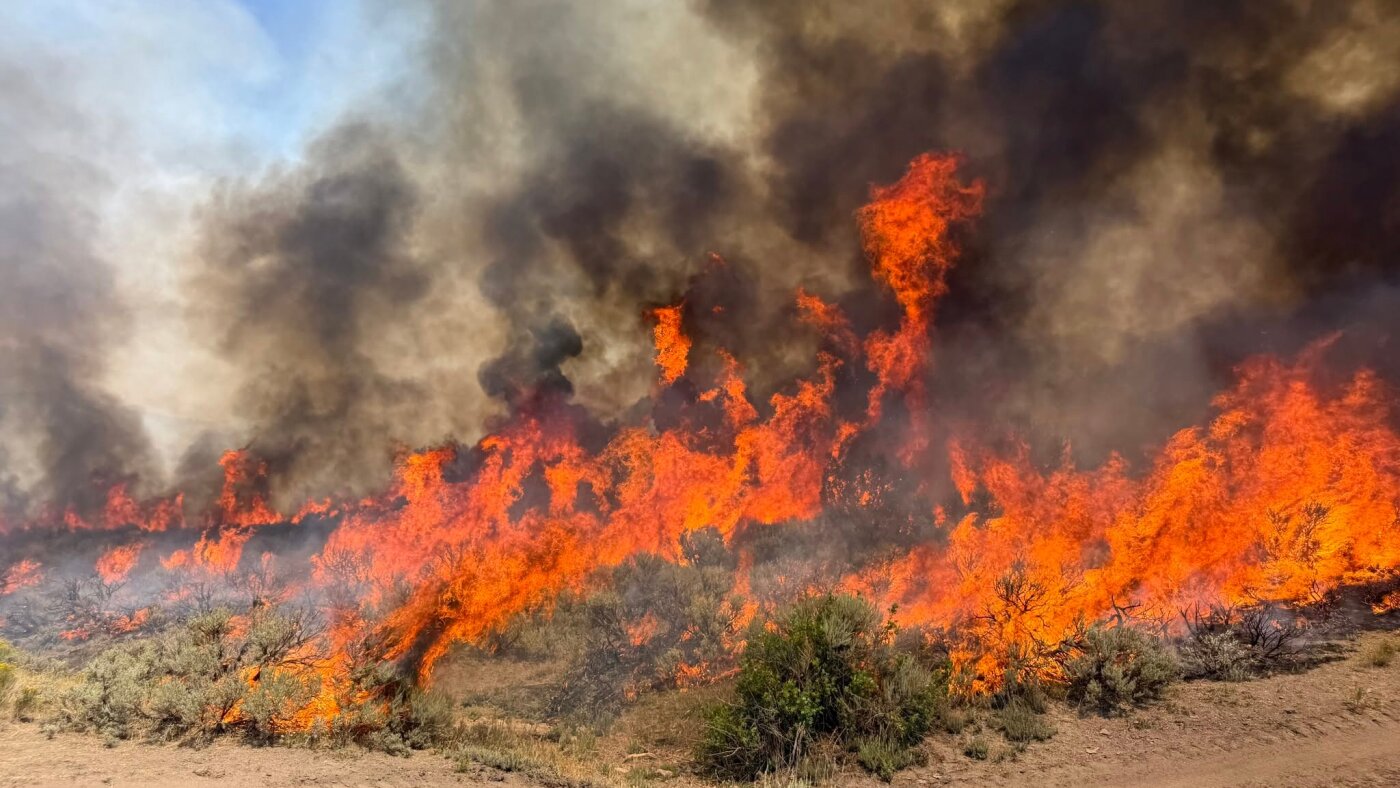
In the tiny rural town of Malden, located about 35 miles south of Spokane, residents faced anxious hours after receiving immediate evacuation warnings on Saturday. By Sunday, however, local officials downgraded the alert level as winds calmed and fire progression stalled. John Goyke, the mayor of nearby Rosalia whose company operates Malden’s water under contract, noted that residents had been urged to conserve water to ensure supplies remained available for fire trucks. Malden’s infrastructure remains sensitive following a catastrophic 2020 wildfire that destroyed much of the town.
Utah and Oregon Fatalities Amid Expanding US Wildfires
The human cost of the western wildfire season mounted sharply in Utah and Oregon, where emergency responders suffered fatal accidents while battling rugged terrain. The U.S. Forest Service confirmed that two helicopter pilots died on Friday when their aircraft crashed while fighting the Widemouth 2 Fire in Fishlake National Forest. Steep, rough terrain and active fire behavior delayed crews from reaching the crash site until Saturday, when Sevier County officials confirmed the fatalities.
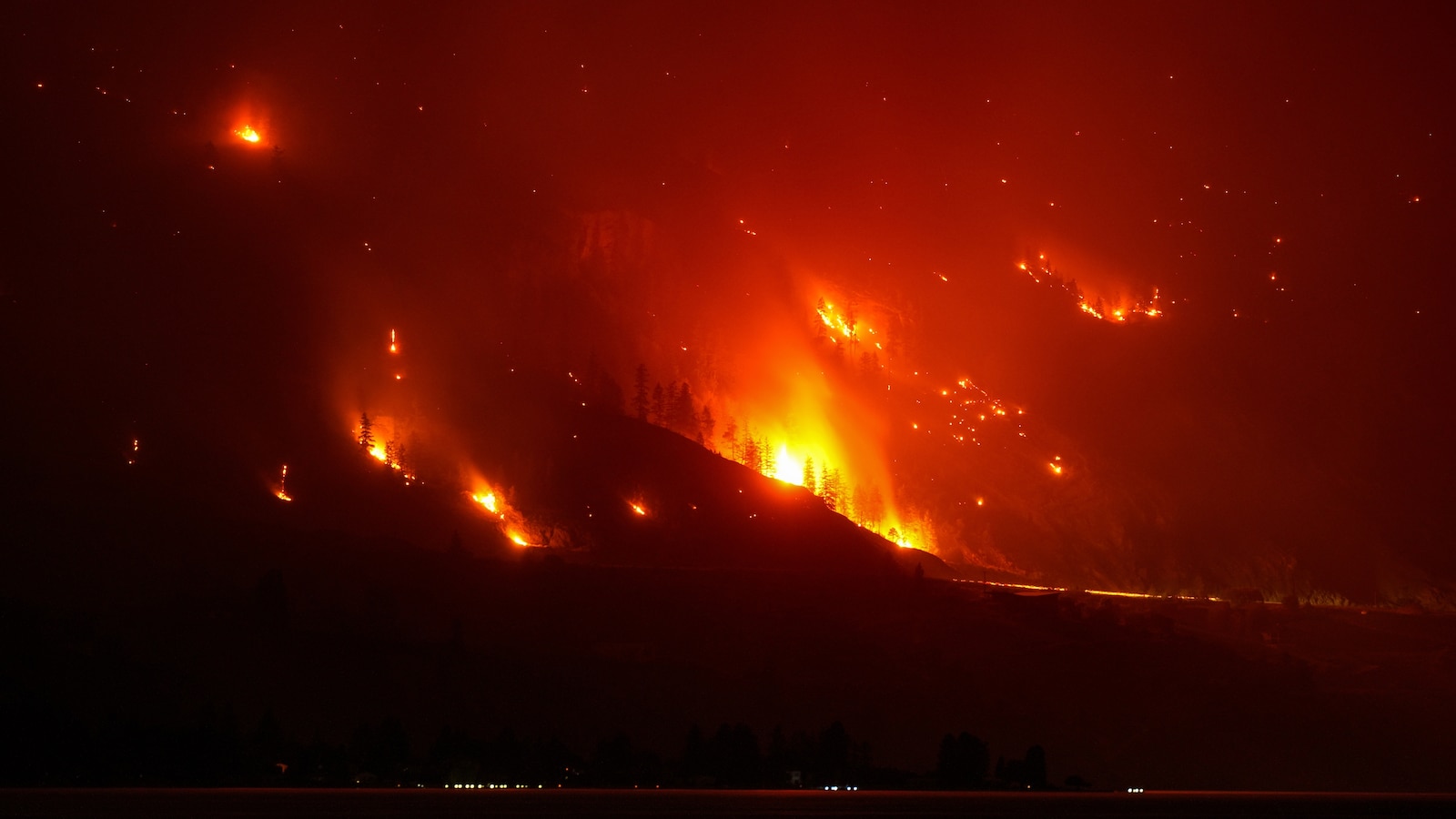
The Widemouth 2 Fire expanded to more than 118,000 acres, becoming Utah’s largest wildfire of the year and surpassing the Babylon Fire’s 107,000-acre footprint, according to the U.S. Forest Service. Utah Gov. Spencer Cox expressed condolences on social media, writing that the pilots “put themselves in harm’s way to protect our state and gave their lives in that service.”
In Oregon, a bulldozer operator identified as Jason Ensign died while battling the Wrights Spring Fire, which grew past 33,000 acres and remained 0% contained as of Sunday afternoon. Meanwhile, in Utah’s Morgan County, the Rocky Canyon Fire northeast of Salt Lake City forced additional evacuations after expanding to more than 2,800 acres with zero containment.
Emergency Updates and Official Resources
Federal and provincial emergency management agencies continue to update evacuation orders and alerts as weather patterns shift across the Pacific Northwest and the Intermountain West. Residents in affected zones are advised to monitor local emergency broadcast systems, check provincial and state forestry agency portals for real-time perimeter maps, and register with local authorities to receive immediate safety instructions.
Official updates, road closure notices, and shelter locations remain accessible through the National Interagency Fire Center and provincial emergency dashboards as firefighting crews prepare for ongoing dry conditions in the days ahead.
Worth a look
- NORAD Fighter Jets Intercept Aircraft Violating Restricted Airspace Above Trump’s Bedminster Golf Club
- Detained Former Menderes Mayor İlkay Çiçek Resigns from CHP Following Allegations
- Thousands Flee British Columbia Wildfires, 80-Year-Old Woman Dies (time.news)
- British Humanities Index Overview and ProQuest Database Guide (newsdirectory3.com)