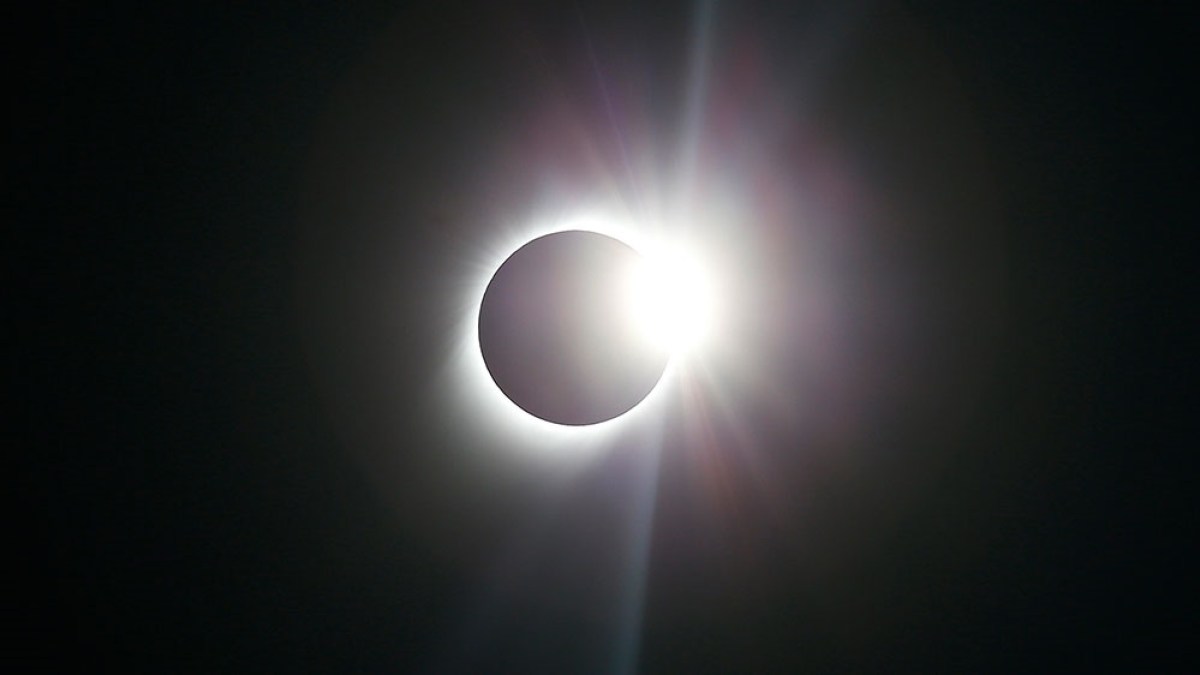
On August 12, 2026, a total solar eclipse will sweep across Greenland, Iceland, and northern Spain, offering mainland Europe’s first total solar viewing since 1999. NASA and other agencies report that millions will experience totality, while a wider partial eclipse spans Europe, North Africa, and parts of North America.
The Moon’s shadow will begin its race across the globe at 15:34 GMT on August 12, 2026, according to Al Jazeera’s tracking data. Starting in the Arctic, the umbral path cuts across Greenland, Iceland, and northern Spain, alongside a small corner of Portugal and parts of northern Russia. Approximately 15 million people live directly within this path of totality, where the Sun will be blocked completely for up to two minutes and 18 seconds.
Spain, Iceland, and Greenland Prepare for Totality
Cities in northern and eastern Spain—including León, Bilbao, Santander, Valladolid, Burgos, Zaragoza, Teruel, Valencia, and Palma on the island of Mallorca—fall securely inside the path of totality.
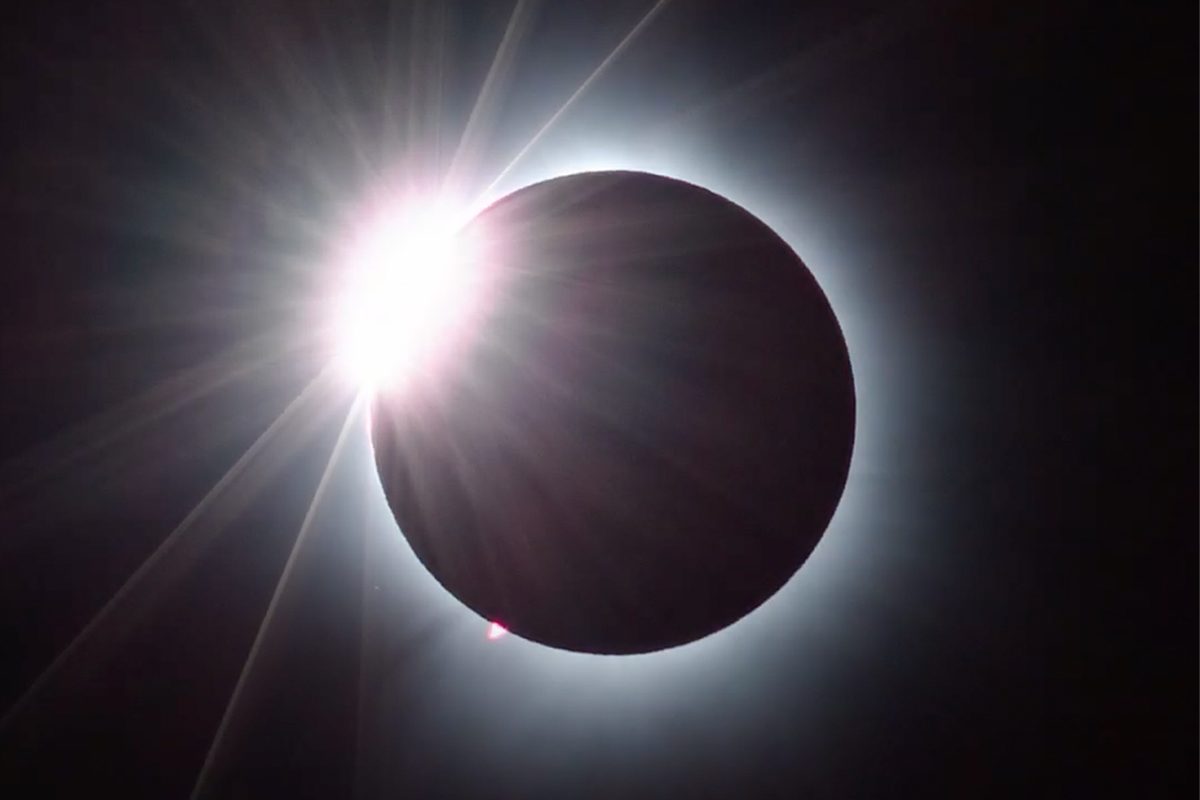
In western Spain, totality arrives at roughly 18:27 GMT (8:27 PM local time) and will last for up to 110 seconds depending on the exact coordinates. While major metropolitan centers like Madrid and Barcelona sit just outside the absolute edge of the shadow band, observers there will still witness a near-total 99% partial eclipse. Experts note that because the sky does not darken fully during a 99% partial phase, eclipse glasses must remain on for the duration, prompting many urban residents to travel into the narrow totality strip for the complete visual shift.
Further north, Iceland and Greenland will experience the phenomenon in the late afternoon or early evening. NASA’s Scientific Visualization Studio highlights that for anyone positioned near the very center of the track across Greenland, Iceland, or the North Atlantic, totality will stretch slightly past the two-minute mark.
Partial Views Across Europe, Africa, and North America
Outside the narrow umbral path, a vast region will experience a partial solar eclipse. According to NASA’s eclipse briefing, the penumbra—the large, gray, oval-shaped region of partial shadow—will blanket most of Europe, northwestern Africa, parts of northern Russia, and northern territories in the United States and Canada.
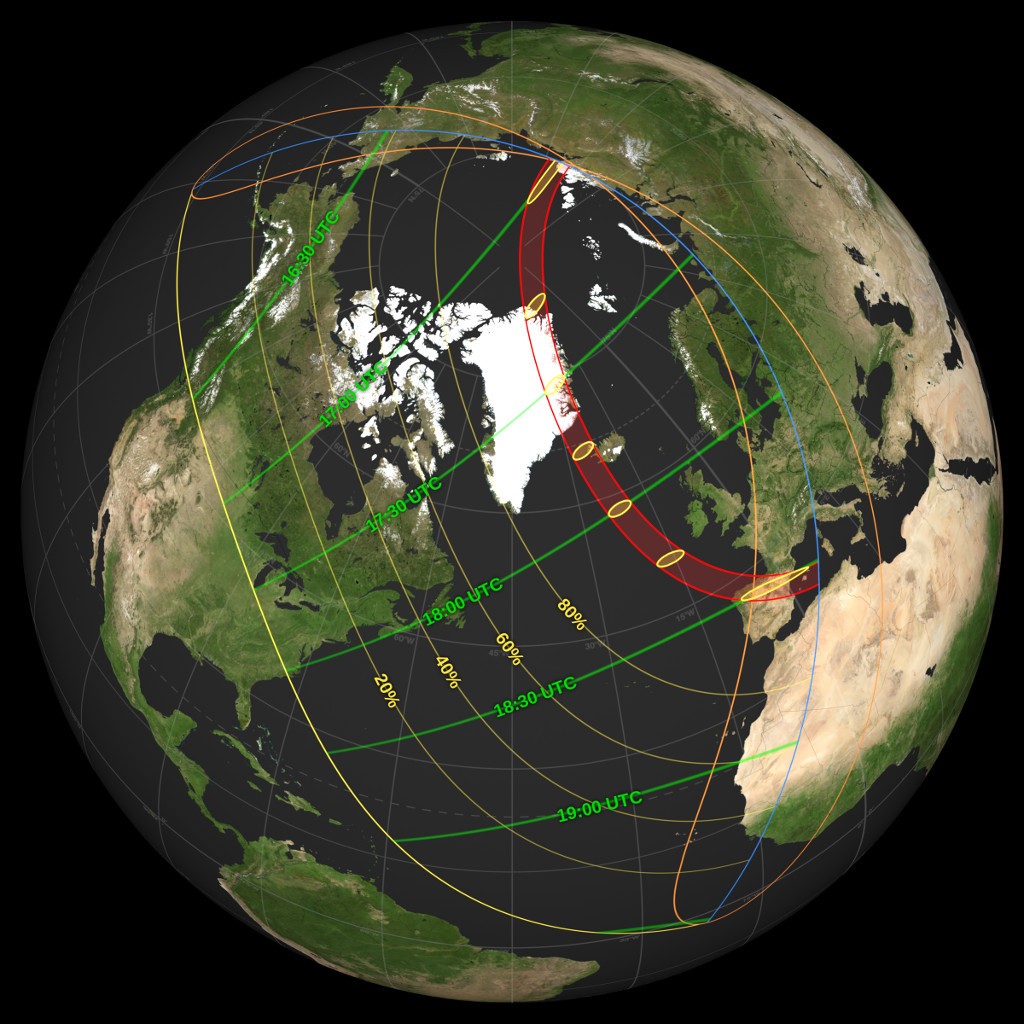
In many European capitals, the Sun will set while still partially eclipsed, creating striking sunset views. Al Jazeera reports that Paris will see roughly 92 percent of the solar disk covered, London will reach 91 percent, and Berlin will experience 85 percent coverage. Across North Africa, Algiers anticipates about 98 percent coverage and Casablanca roughly 87 percent before the Sun dips below the horizon.
Across the Atlantic, North American viewers will catch a much shallower event during morning or afternoon hours. Parts of Alaska will record the deepest U.S. coverage at approximately 37 percent, while northeastern Maine drops to about 28 percent, New York sees roughly 10 percent, and Washington, D.C., registers around 4 percent. In Canada, St. John’s expects 53 percent coverage, decreasing westward to 18 percent in Montreal and 8 percent in Toronto.
Safety Protocols and Scientific Significance
Astronomers and safety officials emphasize strict eye protection protocols for everyone outside the narrow corridor of totality.
Only during the brief window of absolute totality—when the Moon completely blocks the Sun’s bright face—is it safe to remove eye protection.
For those unable to travel to the path, live coverage will be accessible globally. NASA confirmed it will stream the eclipse live starting at 1:15 p.m. EDT on August 12.
Keep reading