
German cinema achieved significant international recognition at the Locarno Film Festival, capturing multiple awards and drawing praise from government officials for its strong artistic presence. According to reports from Deutschlandfunk, the festival showcased a total of 22 German film contributions, including co-productions, with six entries selected for the main competition.
Culture State Minister Weimer formally acknowledged these accomplishments in Berlin, highlighting the depth and cultural impact of the country’s cinematic output. The festival recognition underscores a strong creative wave moving through independent and international co-productions backed by German funding structures, which officials plan to support with expanded financial resources in the coming years.
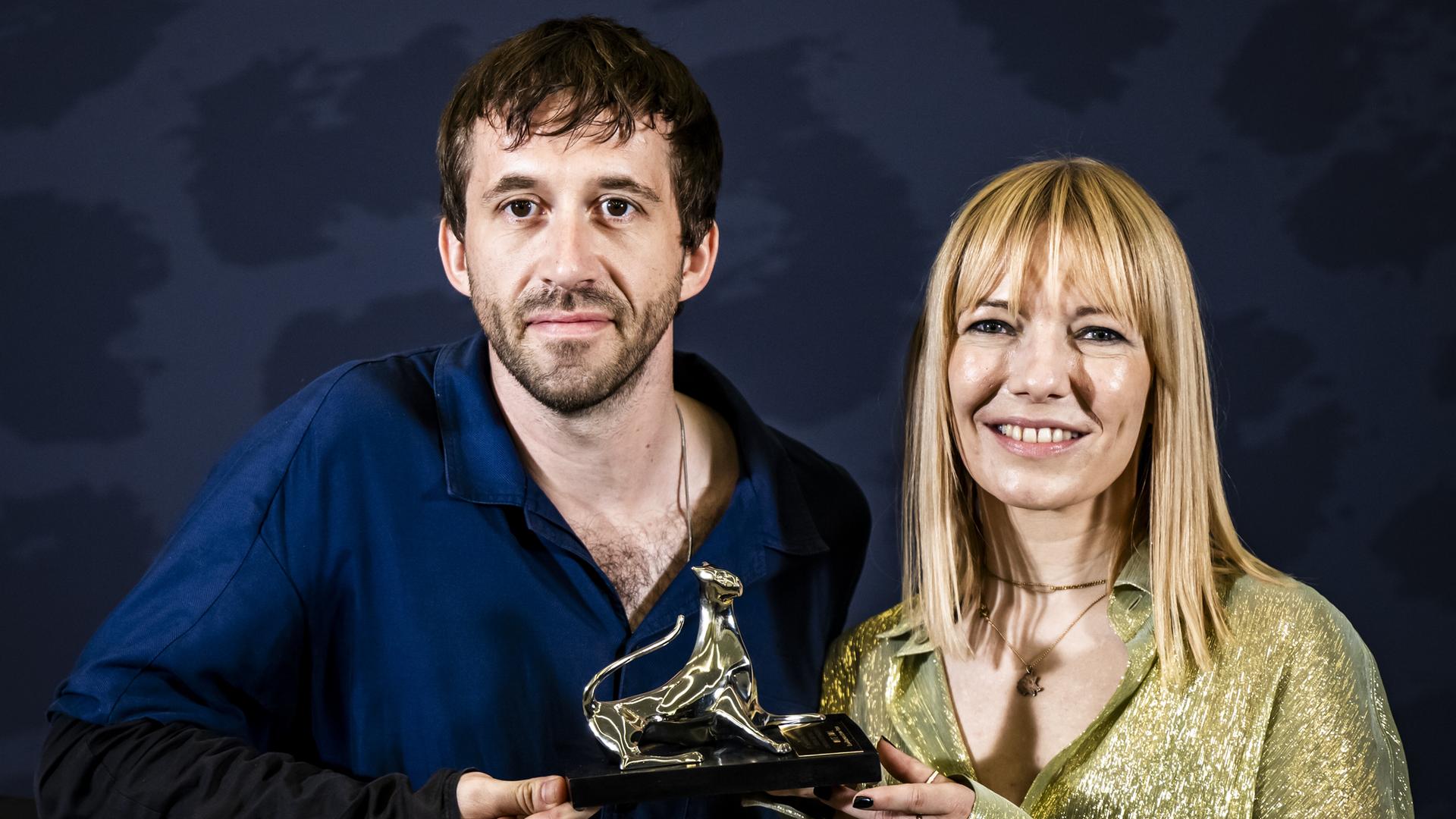
Among the standout honorees was the Austrian-German feature film "White Snail," directed by Elsa Kremser and Levin Peter. The drama earned a double win at the Swiss festival, taking home the Special Jury Prize, while its Belarusian lead actors, Marya Imbro and Mikhail Senkov, shared one of the festival’s acting honors for their portrayals of two outcasts in Belarus. Kremser and Peter also served as producers on the project.
International Co-Productions and Critical Acclaim
German-supported storytelling extended beyond the primary winners circle in Locarno. The German-Georgian co-production "Dry Leaf," directed by Alexandre Koberidze, received a special mention from the festival jury. The experimental film also secured recognition from the international film critics association Fipresci, reinforcing the cross-border strength of contemporary European filmmaking.
While the top festival honor, the Golden Leopard, was awarded to the Japanese film "Two Seasons, Two Strangers" directed by Sho Miyake, the German contributions demonstrated substantial momentum across various categories. Locarno, established in 1946, remains one of Europe’s premier cinematic gatherings alongside Cannes, Venice, and Berlin.
Funding Expansion and Future Outlook
Addressing the international festival results, Culture State Minister Weimer linked the ongoing success of German filmmakers to planned updates in federal film policy. According to Deutschlandfunk, federal film funding is scheduled to increase to 250 million euros annually by 2026. Officials project that this financial expansion will provide long-term planning stability, boost international competitiveness, and encourage deeper collaboration on cross-border cinematic projects.
Related reading