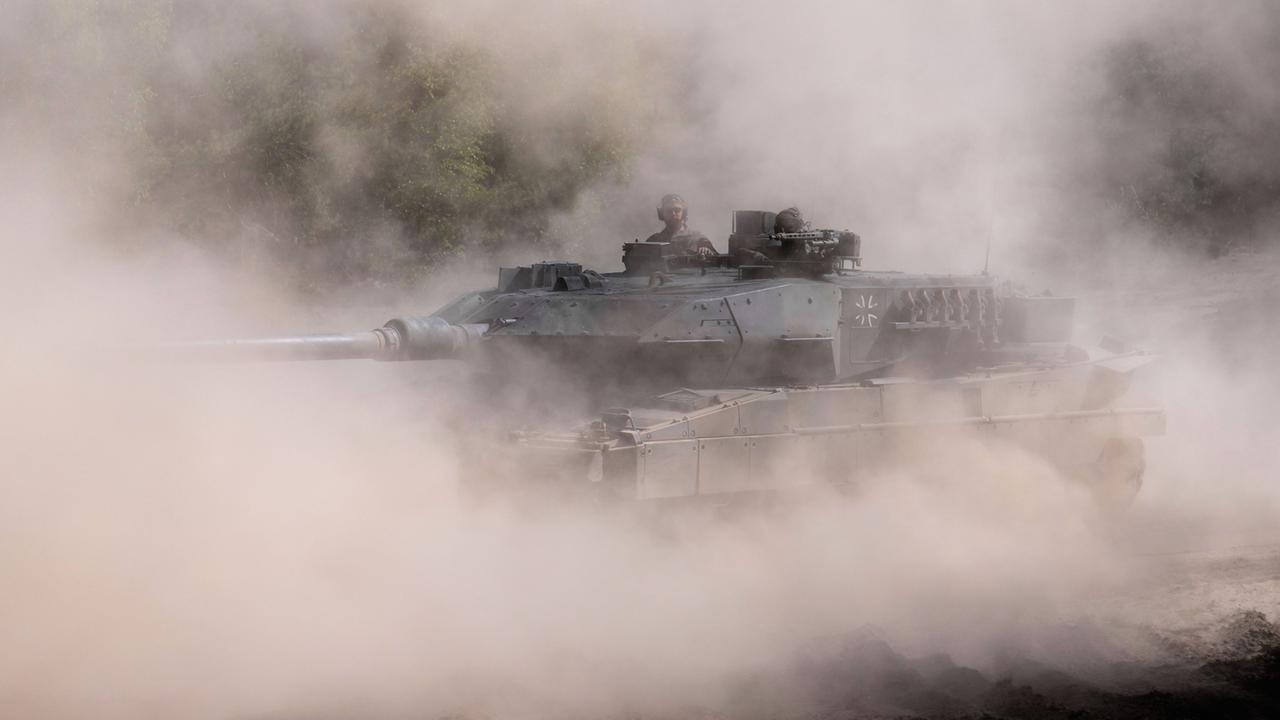
German defense modernization efforts face mounting friction as Moritz Schularick, president of the Kiel Institute for the World Economy (IfW), has criticized Federal Defense Minister Boris Pistorius over funding allocation strategies. According to reporting from the Süddeutsche Zeitung and br.de, the economic analyst argues that the €700 billion overhaul of the Bundeswehr risks missing its strategic objectives by prioritizing conventional hardware over next-generation military technology.
The critique centers on how Berlin distributes capital within its military replenishment framework. While defense planners have pushed to restock standard combat vehicles and naval assets, economic researchers contend that financial resources should flow more aggressively toward future-proof defense architectures. The clash highlights a tension in European security policy: balancing the need to replace equipment with the imperative to adapt to technology-driven warfare.
Allocation Dispute Within German Defense Spending
At the heart of the debate is the scale of Germany’s military financial package, valued at €700 billion for modernization. According to statements analyzed by the Süddeutsche Zeitung and covered by br.de, IfW President Moritz Schularick asserted that Minister Boris Pistorius is channeling too large a share of available funds into legacy hardware, including tanks and frigates.
Schularick maintains that sustaining legacy fleets diverts essential capital away from innovations. The divergence in perspective exposes a policy question regarding whether traditional military procurement models can effectively address technological shifts witnessed in contemporary geopolitical conflicts.
Strategic Implications for the Bundeswehr
The Bundeswehr has spent years addressing readiness deficits, supply chain bottlenecks, and equipment shortages. When the federal government announced its security pivot, lawmakers emphasized both speed and structural depth to restore Germany’s standing as a pillar of NATO defense in Europe.
However, economic experts argue that pouring capital into traditional platforms risks locking the armed forces into costly maintenance cycles for equipment that may quickly become obsolete. The debate places the Ministry of Defense under scrutiny from academic institutions monitoring public expenditures.
Broader Economic and Policy Context
The ongoing discourse over military budgets occurs against a backdrop of fiscal constraints and broader debates concerning public debt and economic growth in Germany. As the IfW and other economic research bodies evaluate federal spending trajectories, questions of efficiency and strategic prioritization remain paramount.

As legislative reviews and budget debates continue in Berlin, policymakers face pressure to reconcile fiscal prudence with the technological demands of security.
Related reading