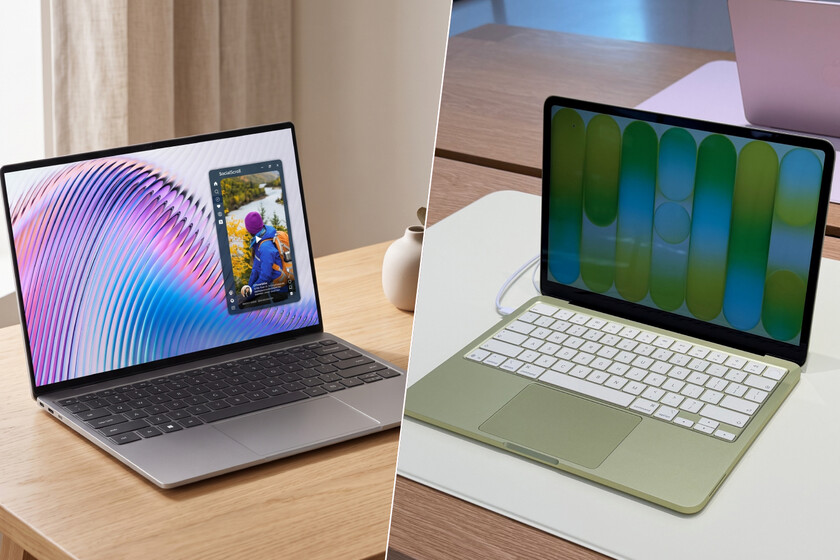
Laptop power efficiency once seemed like Apple’s exclusive domain, built on the back of custom silicon architecture that easily outpaced traditional x86 rivals. According to industry analysis from Intel and recent engineering benchmarks, that gap has narrowed significantly. Modern processor designs from major chipmakers now match or exceed the performance-per-watt metrics that once defined the MacBook advantage, reshaping expectations for mobile computing performance and battery longevity.
When Apple transitioned its laptop lineup away from traditional processors to its custom system-on-a-chip architecture, the core appeal was straightforward: exceptional battery life paired with high thermal efficiency. Competitors relying on standard x86 components struggled for years to balance heavy computing workloads with thermal limits in thin chassis designs. Recent architectural overhauls across the computing industry have fundamentally altered this dynamic, bringing efficient computing to Windows laptops and alternative platforms.
Understanding this shift requires looking at how chip design has evolved over recent hardware generations. The historical advantage held by specialized ARM-based notebook silicon relied heavily on integrated memory architectures and advanced manufacturing nodes. Today, rival hardware developers have adopted similar architectural strategies, narrowing the performance gap that previously allowed Apple’s portables to dominate battery longevity tests.
The Evolution of Mobile Processor Efficiency
For years, the dividing line in laptop performance was thermal design power. Traditional x86 chips demanded significant electrical current to sustain peak processing speeds, generating heat that required active cooling solutions. Apple’s custom silicon design minimized energy loss by integrating memory closer to the processing cores and optimizing instruction execution pathways.
Chip manufacturers have since restructured their core layouts to prioritize power scaling. Modern silicon components dynamically scale voltage and frequency based on immediate task demands, dramatically cutting idle power draw. These engineering adjustments mean that contemporary portable computers running alternative operating systems can now match multi-hour battery benchmarks previously considered unattainable outside the macOS ecosystem.
Furthermore, fabrication node advancements have played a critical role. Semiconductor foundries have refined sub-nanometer manufacturing processes, allowing engineers to pack more transistors into smaller areas while reducing electrical resistance. This hardware maturation benefits the entire consumer technology market, ensuring that efficient power management is no longer tied to a single operating system or manufacturer.
Impact on the Consumer Laptop Market
For everyday users, the erosion of Apple’s efficiency monopoly translates into greater choice. Buyers no longer need to compromise between operating system preference and all-day battery reliability. Windows-based ultrabooks powered by recent mobile silicon can now sustain intensive productivity workloads away from a power outlet for extended periods.
Industry analysts note that this parity increases pressure on hardware vendors to compete on software integration, display quality, and port selection rather than raw battery endurance alone. As performance-per-watt figures converge, the purchasing decision shifts back toward traditional evaluation metrics: build quality, ergonomics, software ecosystem compatibility, and overall value.
Technical specifications and independent battery tests published by hardware review outlets confirm that modern portable computers consistently deliver robust runtime figures regardless of their underlying instruction set architecture. This convergence marks a maturity point in mobile computing where efficient design practices have become industry standard rather than proprietary differentiators.
What Lies Ahead for Laptop Silicon
The race for computing dominance now centers on specialized neural processing units and on-device artificial intelligence workloads rather than basic power conservation. As software requirements shift toward local machine learning execution, efficiency metrics must adapt to measure performance per watt during complex AI tasks.
Hardware manufacturers are scheduled to release further architectural updates over the coming quarters, promising even tighter integration between processing cores and memory subsystems. Observers will monitor upcoming independent benchmark evaluations to see which manufacturer establishes the next benchmark in sustained mobile efficiency.
Keep reading