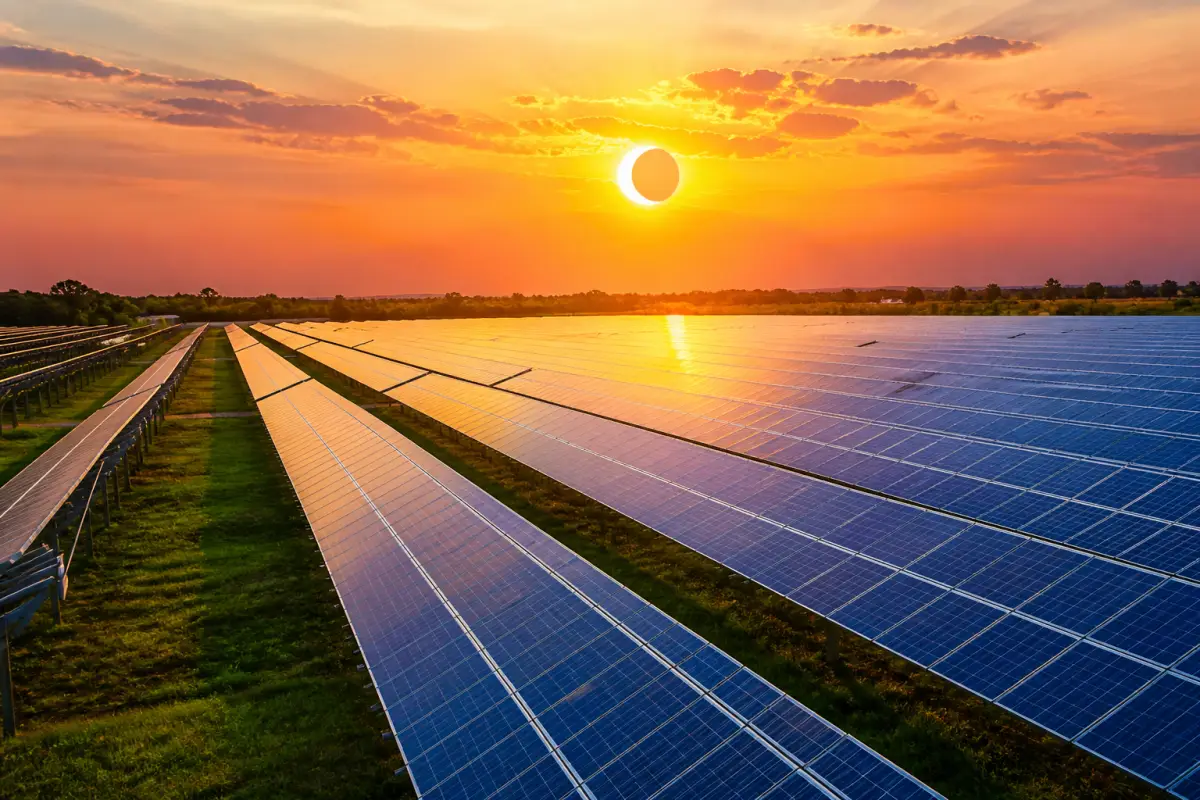
An upcoming solar eclipse slated for August 12 will obscure up to 99 percent of the Sun in certain regions, triggering a massive drop in photovoltaic power generation equivalent to shutting down roughly a dozen nuclear reactors, according to industry energy reports. While power grid operators prepare for the sudden dip in renewable energy, millions of astronomy enthusiasts are finalizing travel arrangements and securing specialized viewing gear to watch the celestial alignment.
The cosmic event has drawn intense international interest, prompting travelers to book accommodations years in advance to secure optimal viewing angles along the path of the phenomenon. At the same time, public health agencies and meteorological organizations have issued widespread warnings regarding the dangers of viewing the solar spectacle without certified safety equipment, emphasizing that retinal damage can occur in seconds without proper protection.
Energy analysts tracking the intersection of meteorology and power infrastructure note that the sudden loss of solar output will test modern electrical grids.
Grid Operations and Photovoltaic Impact During the August 12 Eclipse
The impending reduction in solar energy generation highlights the growing reliance on photovoltaic systems across modern power grids. As the Moon passes between the Earth and the Sun on August 12, regional solar farms will experience a steep, temporary drop in electricity production. According to energy infrastructure assessments, the lost capacity mirrors the output of approximately ten standard nuclear reactors.
For residential solar panel owners, the temporary eclipse has minimal financial or technical impact.
Astronomical Tourism and Long-Term Travel Planning
Beyond technical grid management, the August 12 solar event has sparked a surge in specialized tourism. Astronomy enthusiasts and astro-tourists have demonstrated remarkable foresight, with many reporting that they reserved lodging in prime viewing corridors up to two years in advance.
Safety Warnings and the Risk of Eclipse Blindness
Medical professionals and safety regulators are intensifying public awareness campaigns regarding the severe risks associated with direct solar observation. According to health advisories published ahead of the event, looking at the Sun without certified protective filters can cause permanent solar retinopathy, often referred to as eclipse blindness. Ophthalmologists emphasize that the condition can occur within seconds and frequently presents without immediate pain, making preventative protection essential.
Retailers and optical supply outlets report a high demand for ISO-certified solar viewing glasses.
Worth a look