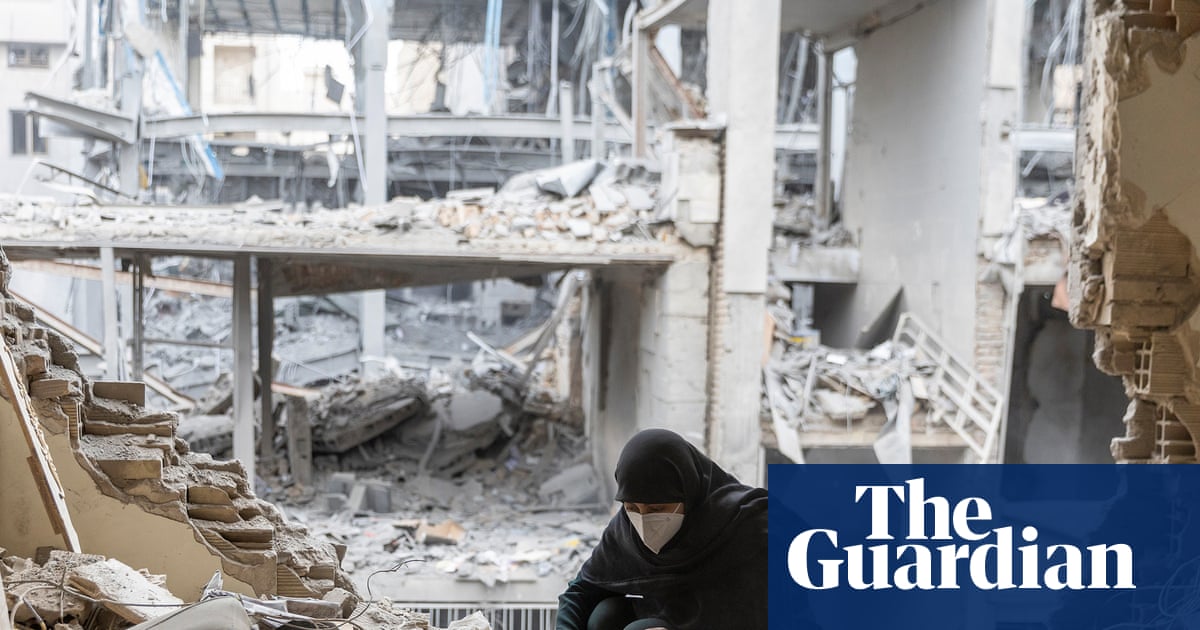
Civilians in Iran are bearing the brunt of a weeks-long military campaign by the U.S. and Israel, with casualties mounting past 1,500 people, according to state broadcasters.
Civilian Casualties and Infrastructure Devastation Under Fire
Nearly a month after U.S. and Israeli forces launched a bombing campaign aimed at dismantling Iran’s nuclear and ballistic missile capabilities, the heaviest toll has fallen on the Iranian public. According to state media reports cited by international outlets, more than 1,500 people have been killed since the conflict began on February 28.
The offensive’s opening days brought immediate devastation to urban centers. U.S. investigators reportedly believe American forces are responsible for a Tomahawk missile strike on an Iranian school on the first day of bombing, an incident that killed at least 175 people, the majority of whom were children. On the same day in Lamerd on Iran’s south coast, an attack struck a sports hall, killing 20 people including teenage girls playing volleyball, Iranian authorities reported.
Medical and cultural sites have also sustained severe damage. Gandhi Hospital in Tehran suffered extensive damage from strikes, drawing a condemnation from World Health Organization chief Dr. Tedros Adhanom Ghebreyesus, who characterized the event as extremely worrying
. Historic landmarks, including the UNésco World Heritage site Golestan Palace and Tehran’s ancient Grand Bazaar, were significantly impacted alongside more than 40,000 civilian buildings nationwide, according to the Iranian Red Crescent Society.
Environmental Hazards and Economic Disruption Across Southern Iran
Communities along Iran’s southern coastline are bearing an intense share of the military operation. Al Jazeera reported that Soraya Lennie observed diverse coastal communities absorbing strikes on regional infrastructure as the U.S. expanded its targeting scope.
The destruction of fuel depots near Tehran on March 7 triggered severe environmental consequences, leaving residents enveloped in black clouds and experiencing downpours of toxic pollutants known as black rain
. The WHO warned that contaminated oil infrastructure poses acute health risks, particularly for children and elderly residents. In Isfahan, airstrikes damaged architectural treasures including the Ali Qapu Palace, Chehel Sotoun, and the Jameh Mosque, despite structures bearing blue protective flags signaling their protected status.
Domestically, the conflict has accelerated an economic crisis. Inflation in Iran has climbed to its highest level since the Second World War, placing basic foodstuffs out of reach for many and prompting the Iranian government to raise the minimum wage by 60% on March 20. Meanwhile, the Iranian Red Crescent Society reported receiving 70,000 helpline calls seeking mental health support and counseling amid widespread fear and uncertainty.
Global Economic Fallout and the Global South Response
The disruption of vital shipping lanes is amplifying the crisis far beyond Iran’s borders. Within hours of the initial offensive, Iran restricted passage through the Strait of Hormuz, a critical maritime corridor through which 20% of the world’s oil normally transits.

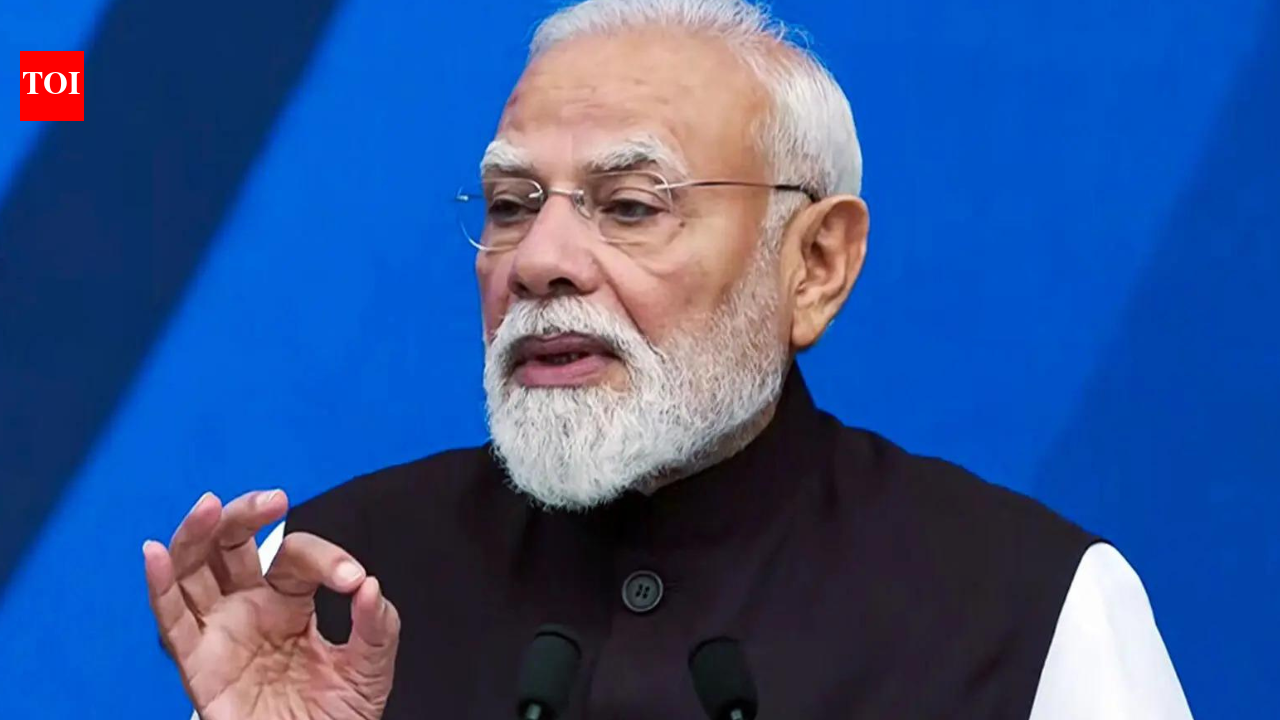
Addressing the G7 outreach session on shared and balanced growth, Indian Prime Minister Narendra Modi cautioned that developing nations should not be left to absorb the shockwaves of the conflict alone. Modi stated that supply chain disruptions in fuel, fertilizer, and food will continue to impact the Global South for a considerable period.
“If we are truly committed to strengthening international solidarity, the most vulnerable countries should not be left to bear the burden of these crises alone.”
Narendra Modi, Prime Minister of India
To mitigate these pressures, Modi proposed establishing an International Mobilisation Partnership for Accelerating Connectivity and Trade (IMPACT) alongside a Global Skills Partnership to enhance economic resilience across developing nations. The proposals seek to harness young talent and enterprise from the Global South while building secure trade and energy corridors.
Ultimatums Over Energy Infrastructure
With regional instability deepening, United States President Donald Trump issued a direct warning regarding the closure of the strategic waterway. Trump threatened the destruction of Iran’s energy infrastructure if Tehran refuses to reopen the Strait of Hormuz.
As diplomatic channels narrow and military campaigns grind forward, international human rights monitors note that the combination of urban bombardment, restricted internet access, and escalating shortages of food, medicine, and baby formula continues to deepen the humanitarian emergency across the region.
Worth a look
- Iraq Closes 71 Fake Popular Mobilization Forces Headquarters and Enforces State Control Over Weapons
- To Lam Visits Sydney to Boost Vietnam-Australia Cooperation
- Netanyahu Rejects Trump’s Gaza Plan: No Hamas Disarmament or Israeli Withdrawal (archyworldys.com)
- Israeli Innovation 15 Minute Detection Test for Alzheimer Parkinson and Depression (newsdirectory3.com)