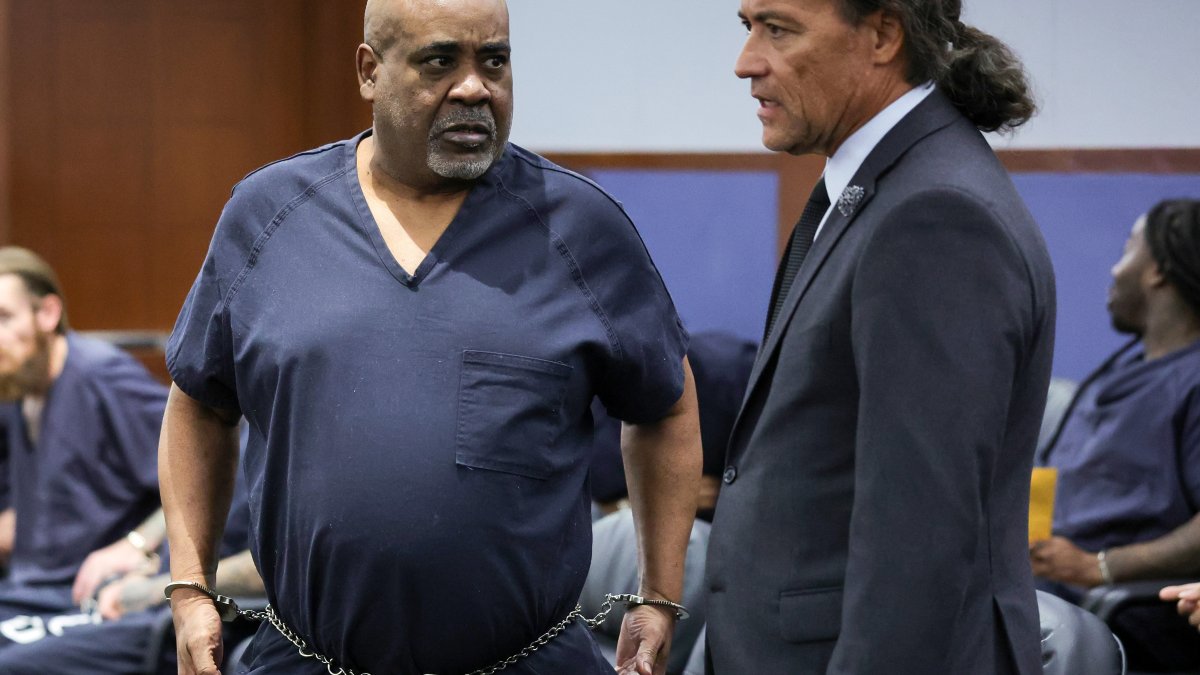
The decades-long mystery surrounding the 1996 killing of rap icon Tupac Shakur reaches a critical milestone as Duane “Keffe D” Davis goes on trial in Las Vegas, marking a pivotal moment in hip-hop history. Duane “Keffe D” Davis, 63, faces one charge of murder with a deadly weapon with the intent to promote, further or assist a criminal gang in Shakur’s death, according to court records reported by the Associated Press.
Jury selection for the high-profile proceeding begins Monday at the Clark County District Court, with Judge Carli Kierny presiding over the case as detailed in reports from ABC News. The trial is scheduled to last approximately one month, finally bringing public scrutiny to a legal battle stemming from an unsolved homicide that has gripped global music fans and investigators for nearly three decades.
Shakur, who also performed under the stage names 2Pac and Makaveli, remains widely recognized as one of the most influential rappers of all time. The fatal sequence of events unfolded on Sept. 7, 1996, in Las Vegas, where Shakur was riding as a passenger in a black BMW with music mogul Marion “Suge” Knight. The pair were en route to Club 662 for a scheduled performance when a white Cadillac pulled alongside them, and gunfire erupted, as documented by Associated Press reporting. Shakur was struck multiple times and succumbed to his injuries six days later, while Knight survived the shooting.
Courtroom Logistics and Trial Proceedings
The trial is taking place at the Clark County District Court in Las Vegas, where public seating inside Judge Carli Kierny’s courtroom will be severely limited, requiring a daily lottery system for attendees, according to ABC News coverage. To accommodate immense public interest, court officials have designated a second-floor room to broadcast a live feed of the proceedings.
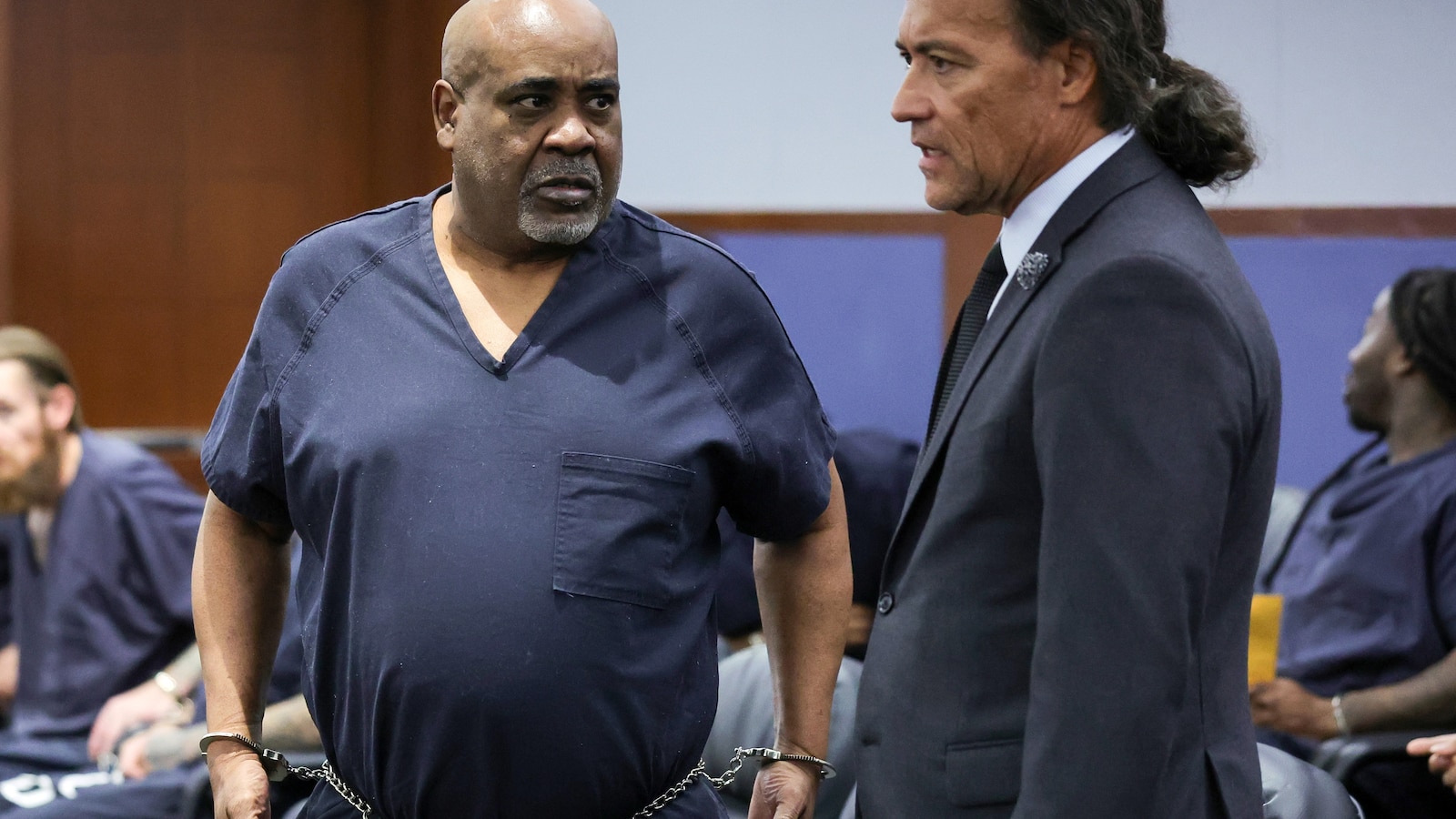
Following the conclusion of jury selection, which is expected to take several days, the prosecution and defense will deliver opening statements before witness testimony commences. Prosecutors plan to call between 35 and 45 witnesses, ranging from people who saw Shakur moments before he was shot to associates from both Shakur’s and Davis’s circles during the mid-1990s, as reported by the Associated Press.
The Prosecution’s Strategy and the Question of the Gunman
The trial will not definitively resolve every remaining question regarding the shooting, as prosecutors are not arguing that Davis pulled the trigger himself. Instead, the state intends to prove that Davis made the calls that led to Shakur’s death and provided the firearm used in the attack, according to court documents cited by ABC News.
Davis detailed his involvement in his tell-all memoir, “Compton Street Legends,” co-authored prior to his arrest, writing that he obtained a handgun from an associate and placed it into the back seat of the white Cadillac, though the book did not name the person who fired the fatal shots. Orlando “Baby Lane” Anderson, Davis’s nephew, was long suspected of being the shooter, but charges were never filed against him before he died two years later in an unrelated gang shootout in Compton, California, per Associated Press records. Two other occupants of the Cadillac, Deandrae “Freaky” Smith and Terry “Bubble Up” Brown, have also died.
Expected Witnesses and Defense Strategy
The prosecution’s witness list features several notable figures, including former Las Vegas Mayor Oscar Goodman, members of Shakur’s family, and Leonard Jefferson, a California resident who snapped the final known photograph of Shakur inside the BMW moments before the shooting, according to reporting from the Associated Press. Additionally, grand jury testimony is expected from Denvonta Lee, who previously linked the violence to rival gangs and dueling record labels Death Row Records and Bad Boy Records.
Davis’s defense attorney, Michael Sanft, is expected to present a concise case, calling fewer than a handful of witnesses, including an expert on false confessions and coercive interrogation techniques, as reported by ABC News. Defense counsel has also pointed to potential testimony from Marion “Suge” Knight, currently serving a 28-year prison sentence in California for killing a Compton businessman outside a burger stand in January 2015, though Knight has previously stated he does not intend to testify.
The trial is expected to continue through the coming weeks as Judge Kierny oversees testimony and evidence in Clark County District Court. Readers and legal observers can follow further updates and official court schedules through local judicial notices and major news wire services.
Keep reading