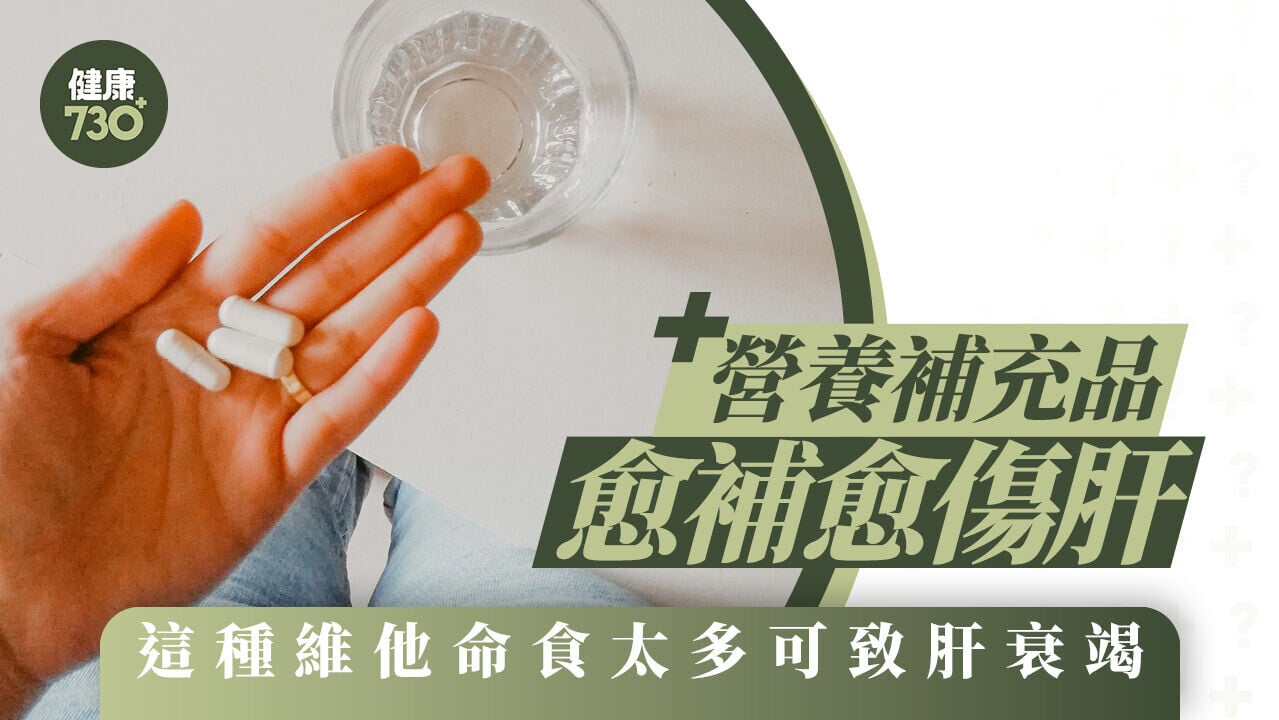
Excessive consumption of certain dietary supplements can lead to severe liver damage and, in extreme cases, acute liver failure, according to medical researchers and health authorities. While vitamins and herbal products are widely marketed for supporting overall wellness and liver detoxification, hepatologists warn that unchecked intake creates a toxic burden that the liver struggles to process.
The human liver acts as the body’s primary metabolic filtration system, processing nearly everything we ingest, including concentrated micronutrients and botanical extracts. When specific fat-soluble vitamins or high-dose herbal concentrates exceed safe biological thresholds, they can trigger cellular inflammation, necrosis, and catastrophic organ failure. Medical specialists emphasize that the popular consumer assumption—that natural products are inherently safe in any quantity—presents a major public health misconception.
Global health agencies and clinical toxicologists regularly monitor adverse drug and supplement reactions, noting a rising trend in herb- and dietary supplement-induced liver injury (HDS-ILI). Understanding how these products interact with hepatic pathways requires a close look at dosage limits, regulatory oversight, and the physiological mechanisms of supplement toxicity.
The Physiological Burden of High-Dose Vitamins on Hepatic Function
The liver processes nutrients absorbed from the digestive tract via the portal vein, exposing hepatocytes to high concentrations of compounds before they reach the rest of the body. According to clinical data from health institutions like the National Institutes of Health, fat-soluble vitamins—such as Vitamin A and certain high-dose formulations—are stored rather than excreted quickly in urine, increasing the risk of bioaccumulation and toxicity.
When an individual consumes excessive quantities of specific micronutrients, the metabolic pathways responsible for breaking them down become overwhelmed. This metabolic traffic jam generates oxidative stress and reactive oxygen species inside liver cells. Over time, this cellular damage manifests as elevated liver enzymes, jaundice, severe fatigue, and, if left unchecked, irreversible hepatic necrosis requiring emergency transplantation.
Water-soluble vitamins carry a lower risk of severe accumulation because excess amounts generally flush out through renal filtration. However, massive mega-doses of certain B-complex vitamins or synthetic isolates can still cause transient liver strain. Physicians stress that balanced nutritional intake through whole foods rarely causes toxicity, whereas isolated, high-potency supplements bypass natural food matrices that regulate absorption.
Botanical Supplements and the Hidden Risks of Liver Injury
Beyond isolated vitamins, multi-ingredient herbal formulations marketed for weight loss, bodybuilding, and general “liver detox” frequently contribute to severe drug-induced liver injury. Regulatory bodies, including the U.S. Food and Drug Administration, frequently issue safety advisories regarding adulterated or potent botanical products that lack rigorous pre-market safety testing.
Unlike prescription medications, which undergo strict clinical trials and post-market surveillance, many dietary supplements reach consumers with minimal independent verification of their long-term organ safety. Botanical extracts often contain complex mixtures of chemical compounds that interact with liver enzymes in unpredictable ways, sometimes inhibiting or overstimulating cytochrome P450 pathways.
Patients with pre-existing conditions, such as non-alcoholic fatty liver disease (NAFLD) or chronic viral hepatitis, face heightened vulnerability when introducing unregulated supplements. Clinicians advise individuals to consult primary care physicians or certified clinical dietitians before starting any new supplement regimen, ensuring that liver function panels are monitored regularly.
Public Health Guidance and Official Safety Recommendations
Health agencies continue to urge consumers to adopt evidence-based practices when managing nutritional intake. Official safety alerts and consumer updates are regularly published by national health ministries and regulatory bodies to help the public identify high-risk products and understand proper dosing guidelines. Individuals experiencing symptoms such as upper right quadrant abdominal pain, dark urine, or persistent nausea after taking supplements should seek immediate medical evaluation.
For ongoing updates regarding supplement safety advisories, recalled products, and official health notices, consult the World Health Organization or local public health authorities. Share your thoughts or questions on safe supplement usage in the comments below.
Related reading