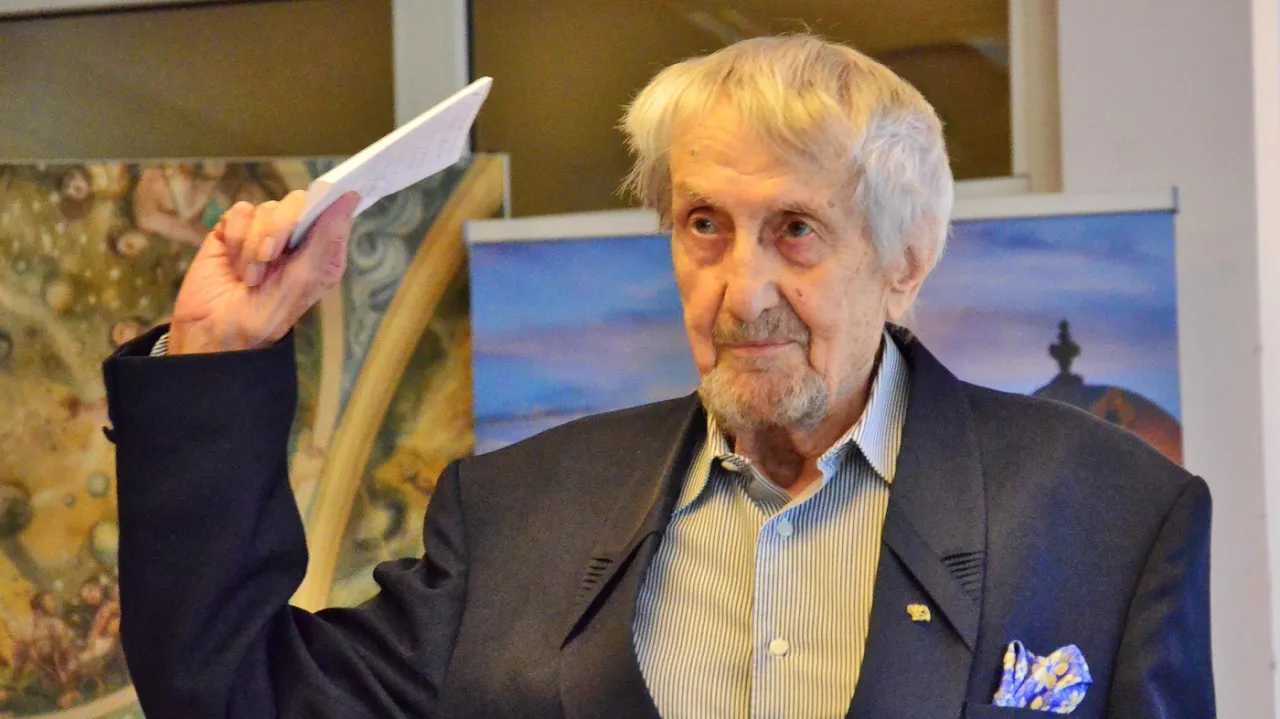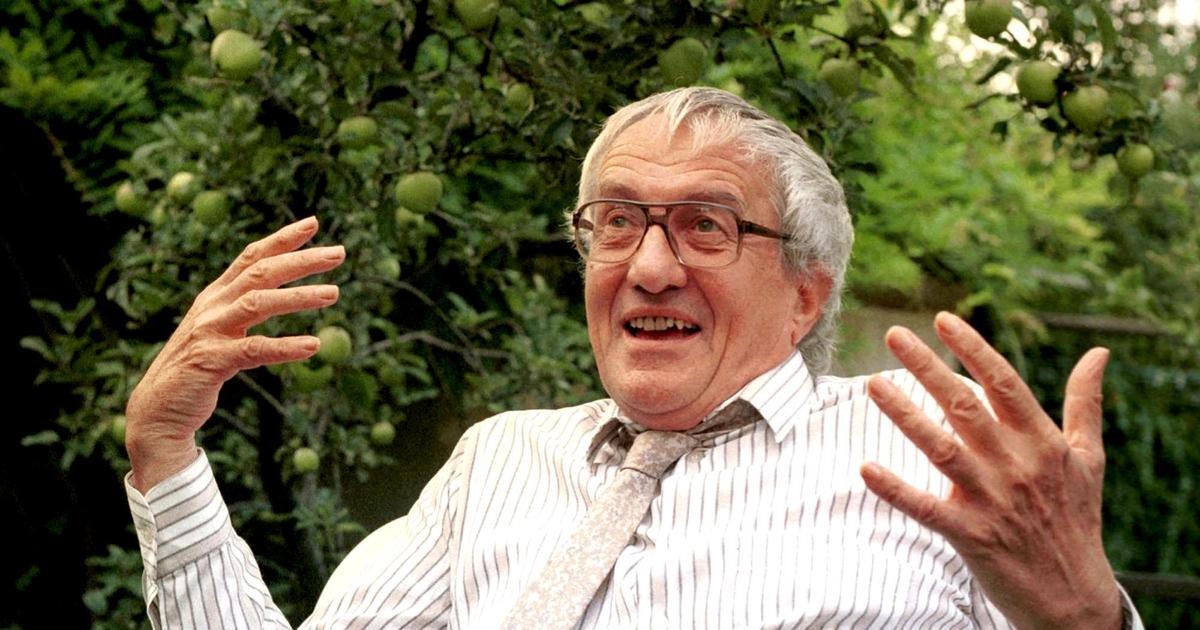
Renowned Czech writer Vladimír Páral passed away on Monday, August 10, 2026, on his 94th birthday, at a hospital in Cheb, according to information confirmed to public broadcasters by his friend Jaroslav Beneš. Páral achieved widespread literary fame during the communist era through his satirical novels and descriptions of industrial routine, social stratification, and everyday life in socialist Czechoslovakia.
Born in Prague in 1932 to an army staff officer’s family, Páral spent his childhood in Brno before studying chemistry. He worked in various chemical plants primarily in the Ústí nad Labem and Liberec regions until 1967. Those industrial environments subsequently served as the atmospheric backdrop for much of his best-known fiction, earning him a reputation as both a chronicler of urban grayness and a sharp observer of consumerist society.
His literary debut came in 1962 under the pseudonym Jan Laban with a serialized humoresque titled Šest pekelných nocí. He gained broad critical and popular acclaim two years later with Veletrh splněných přání, which introduced his distinct “technological” prose style. During the 1960s and 1970s, readers queued outside bookstores for his new releases, drawn to his explorations of interpersonal relationships, eroticism, and social critique.
Literary Legacy and Key Works
Páral’s extensive bibliography includes more than 20 books, divided notably between his “Black Pentalogy” from the 1960s and his “White Pentalogy” published during the normalization period. Among his most famous titles are the satirical existential parable Milenci a vrazi (1969), Soukromá vichřice, Katapult, Profesionální žena, and Mladý muž a bílá velryba. His works were translated into multiple languages and adapted into seven feature films.
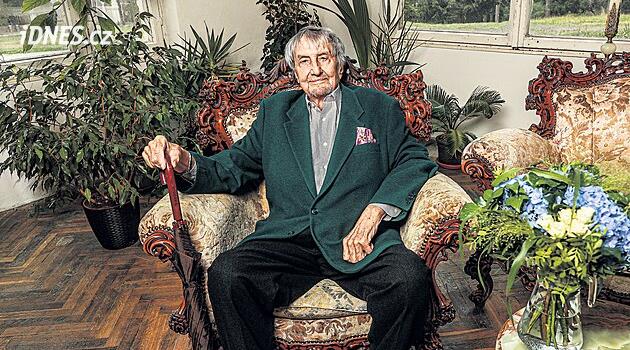
Faced with state censorship and shifting creative impulses during the 1980s, Páral also ventured into science fiction, producing novels such as Pokušení A–ZZ, Romeo & Julie 2300, Válka s mnohozvířetem, and Země žen. Following the 1989 Velvet Revolution, he published later works including Playgirls 1 a 2 and Profesionální muž, though they did not capture the same critical attention as his mid-century output. In 2010, he received the Ladislav Fuks Prize for lifetime contributions to Czech literature, and his final book, Kniha o biči, was published in 2014.
Tributes and Connection to Mariánské Lázně
Beyond his literary output, Páral maintained a decades-long residency in Mariánské Lázně. On Monday, city officials released a statement via their official social media channels honoring his cultural impact. “He created a close relationship with our city and became a part of its cultural and social life,” the municipal administration stated, noting that Páral had symbolically signed the foundation stone of the local Writers’ Trail in 2017 as its inaugural patron.