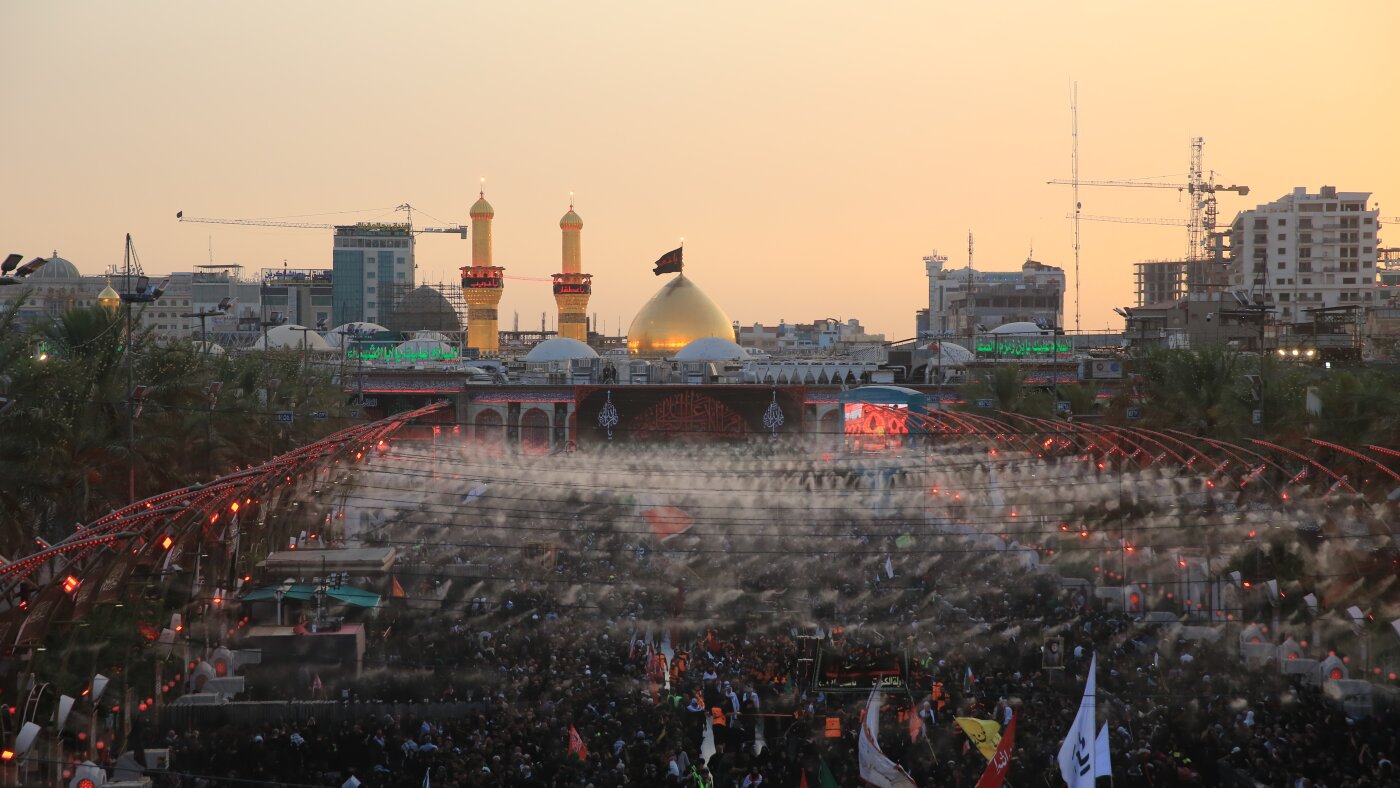
Despite ongoing regional conflicts across the Middle East, more than 20 million Shia pilgrims converged on the Iraqi shrine city of Karbala to observe the annual Arbaeen festival, according to international reporting. The massive gathering, which brings together millions of faithful from Iraq, Iran, and beyond, marks the commemoration of the killing of Imam Hussein, the grandson of Prophet Muhammad, in 680 AD.
Arbaeen draws mainstream Shia Muslims to the Imam Hussein Shrine. According to figures reported by Iran, more than 3 million Iranian pilgrims participated in the mourning rituals this year. Many travelers completed arduous journeys on foot, walking hundreds of miles from various parts of Iraq and neighboring countries to reach the holy site.
The vast pilgrimage unfolds against a tense geopolitical backdrop marked by recent escalations between the United States, Israel, and Iran. The killing of Iran’s supreme leader, Ayatollah Ali Khamenei, and members of his family earlier in the year heavily resonated among the crowds in Karbala. For numerous attendees interviewed during the event, the tragedy served as a profound symbol of ongoing injustice, drawing deep parallels to the historical suffering of Imam Hussein at the Battle of Karbala.
Historical Roots and Modern Geopolitical Tensions
Arbaeen commemorates the beheading of Imam Hussein, whose death at the Battle of Karbala solidified the historic schism between Shia and Sunni Islam. For decades under the rule of Iraqi leader Saddam Hussein, public observance of Arbaeen was suppressed. Following the 2003 U.S. invasion of Iraq, the Shia majority took power, allowing the revitalization of ceremonies central to the faith.
In the decades since, relations between Iraq and Iran shifted from the eight-year-long war in the 1980s to a close strategic alliance. Today, Iran has a hold on the Iraqi government and security forces. Concurrently, regional hostilities have spilled over, with Iran-backed militias operating within Iraq launching drone and rocket attacks targeting the U.S. embassy in Baghdad and military positions in the Kurdistan region, as detailed by regional coverage from outlets such as KPBS.
Pilgrims walking the routes toward Karbala frequently carried banners blending religious iconography with contemporary political figures. Many banners displayed portraits of Imam Hussein alongside images of Qassem Soleimani, the former commander of Iran’s Islamic Revolutionary Guard Corps, and Abdul Mehdi al-Muhandas, the late head of Iraq’s Iran-backed forces, both of whom were killed in a U.S. airstrike near Baghdad airport six years ago.
Pilgrim Experiences and Humanitarian Scale
Along the roads leading to the shrine city, volunteers routinely hand out plastic containers of cold water, an act rooted in hydration needs that simultaneously serves as a poignant remembrance of the water denied to Imam Hussein and his followers prior to their killing.
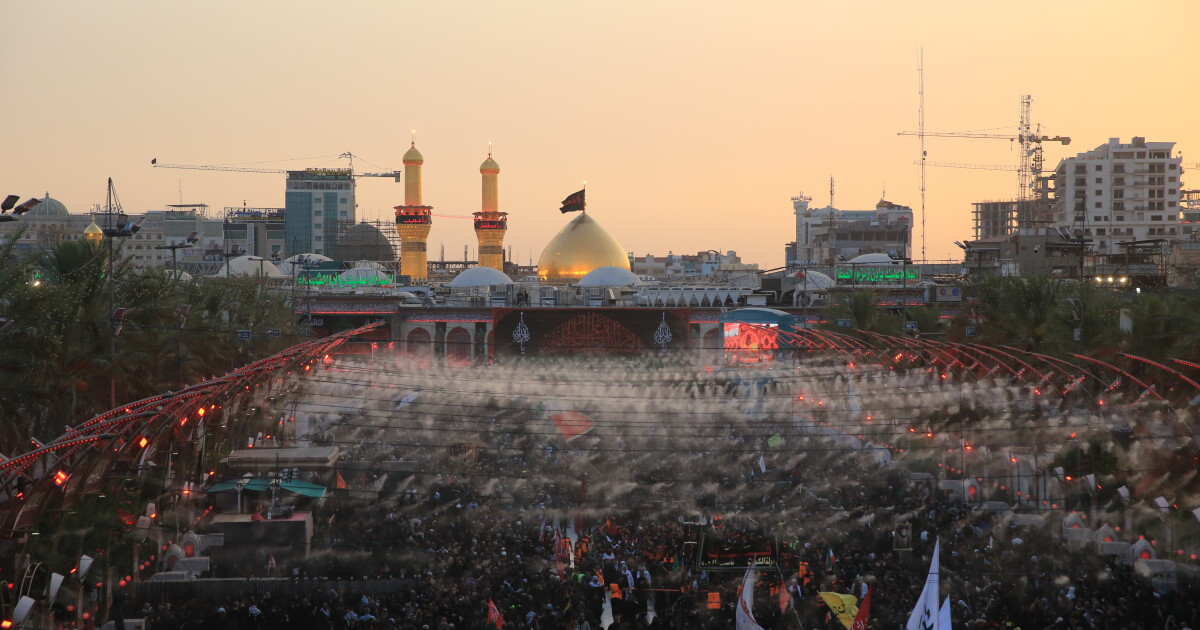
Participants traveled under severe weather conditions. Maryam Ghanbari, a municipal worker from Iran’s Mazandaran province undertaking her ninth pilgrimage, walked 200 miles from the Iranian border to reach Karbala, describing the journey as an expression of devotion amid heightened regional grief. Similarly, young Iraqi pilgrims reported walking for five days from cities like Kut, carrying large banners through the sweltering heat.
Next Steps and Official Monitoring
Worth a look