International markets faced renewed turbulence as the price of crude oil approached 120 dollars per barrel while the U.S. dollar strengthened against major global currencies. According to reports from Reuters, the financial shift was driven by an escalating conflict in the Middle East involving Iran, the United States, and Israel, which heightened fears of disruptions in vital energy supply corridors such as the Strait of Ormuz.
The convergence of surging energy costs and safe-haven currency buying sent immediate ripples through global financial architecture. Investors rapidly shed risk-heavy assets, turning instead toward dollar-denominated holdings and safe-haven instruments as equity indices across Europe and Asia posted notable declines.
Energy markets registered volatile trading sessions. International benchmark Brent crude climbed toward 119.50 dollars per barrel—marking its highest valuation since 2022—before experiencing a slight pullback during subsequent trading hours, as reported by Reuters and detailed by El Litoral.
Crude Oil Spikes Amid Middle East Conflict Fears
The sudden surge in energy prices stems directly from growing anxieties over potential blockades or transport bottlenecks in the Middle East. Analysts note that the region underpins a substantial portion of global hydrocarbon production and distribution. Particular market anxiety centers on the Strait of Ormuz, a critical maritime chokepoint through which a major share of international oil supplies transits daily.
During peak trading moments, crude values jumped by more than 20 percent compared to preceding values. Market participants reacted swiftly to reports regarding military escalations and regional flashpoints. Reuters noted that market tensions intensified following intelligence regarding Iran’s nuclear posture, specifically directives concerning near weapons-grade uranium that complicated ongoing diplomatic efforts to stabilize the region.
Energy economists warn that if elevated oil prices persist, the shock will inevitably transmit downstream into production overhead, manufacturing logistics, and consumer fuel prices. Because petroleum remains a fundamental input for global industry, transport, and agricultural supply chains, prolonged supply constraints threaten to reignite global inflationary pressures and challenge central bank interest rate trajectories worldwide.
U.S. Dollar Gains Ground as Investors Seek Safe Havens
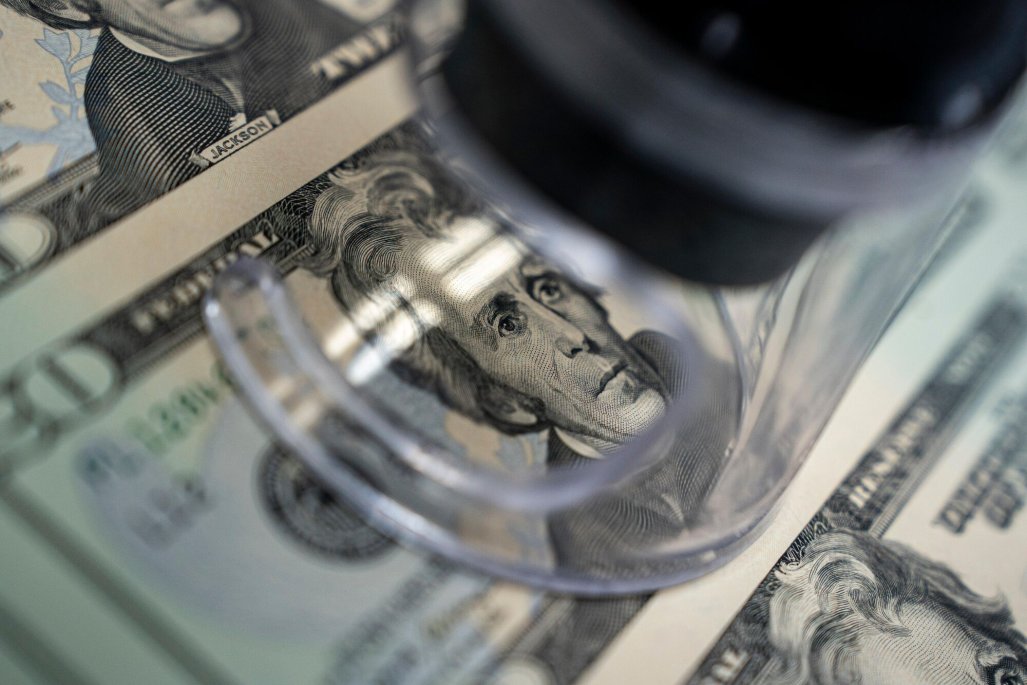
While energy importers wrestled with ballooning import bills, the U.S. dollar captured strong capital inflows. According to currency data from Reuters, the dollar index climbed to 99.365—before easing slightly.
Major peer currencies suffered downward adjustments during the flight to safety. The euro dropped toward 1.15935 dollars, while the British pound eased to 1.34334 dollars against the greenback. Against the Japanese yen, the U.S. currency appreciated by 0.2 percent to trade at 159.110 yen, rebounding from earlier session losses documented by Reuters.
MUFG senior currency economist Lee Hardman observed that while markets initially anticipated a swift diplomatic resolution to the crisis, energy price dynamics introduced deeper macroeconomic hazards. “Sigue existiendo un riesgo significativo de que las cosas empeoren antes de mejorar,” Hardman noted regarding the persistent volatility facing foreign exchange desks.
Financial analysts emphasize that the U.S. economy’s domestic energy profile—bolstered by its status as a leading oil and natural gas producer—acts as a partial domestic buffer against external price shocks, further burnishing the dollar’s appeal among risk-averse institutional investors.
Market Implications and Policy Responses
Global financial authorities and international organizations are closely monitoring the energy crunch, weighing potential stabilization mechanisms including the coordinated release of strategic petroleum reserves. Central bankers face renewed scrutiny as they balance cooling economic growth against stubborn energy-driven inflation risks.
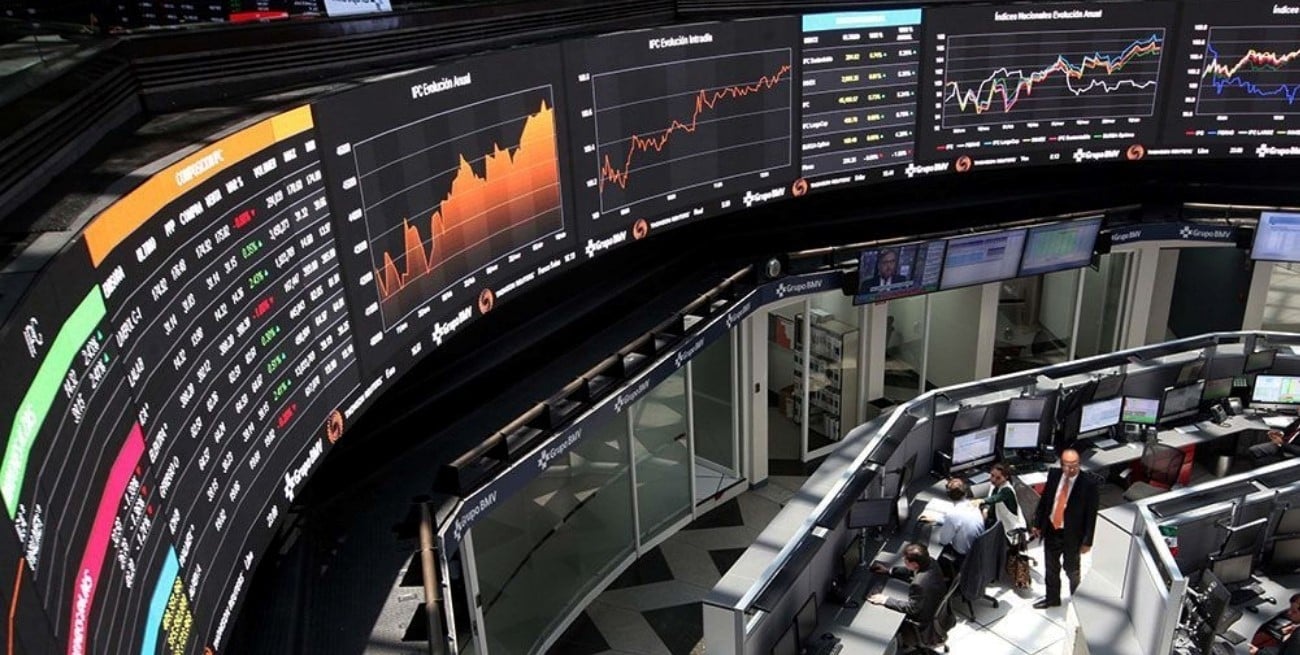
As diplomatic channels remain strained and regional security postures stay elevated, traders continue to monitor daily developments across currency and commodity exchanges. Market participants await official updates from energy regulatory bodies and forthcoming monetary policy assessments to gauge the enduring impact of the geopolitical standoff on global commerce.
Worth a look
- EuroDreams Results Monday, August 10: Winning Numbers and Prizes
- South Korea’s New Real Estate Tax Reform Sparks Backlash Over High-End and Non-Resident Homes
- Tariff vs. Price Floor: What Trump's New Solar Rule Does (daybreakwire.com)
- Trump Adopts Wait-And-See Approach To Iran Amid Strait Of Hormuz Talks (archyworldys.com)