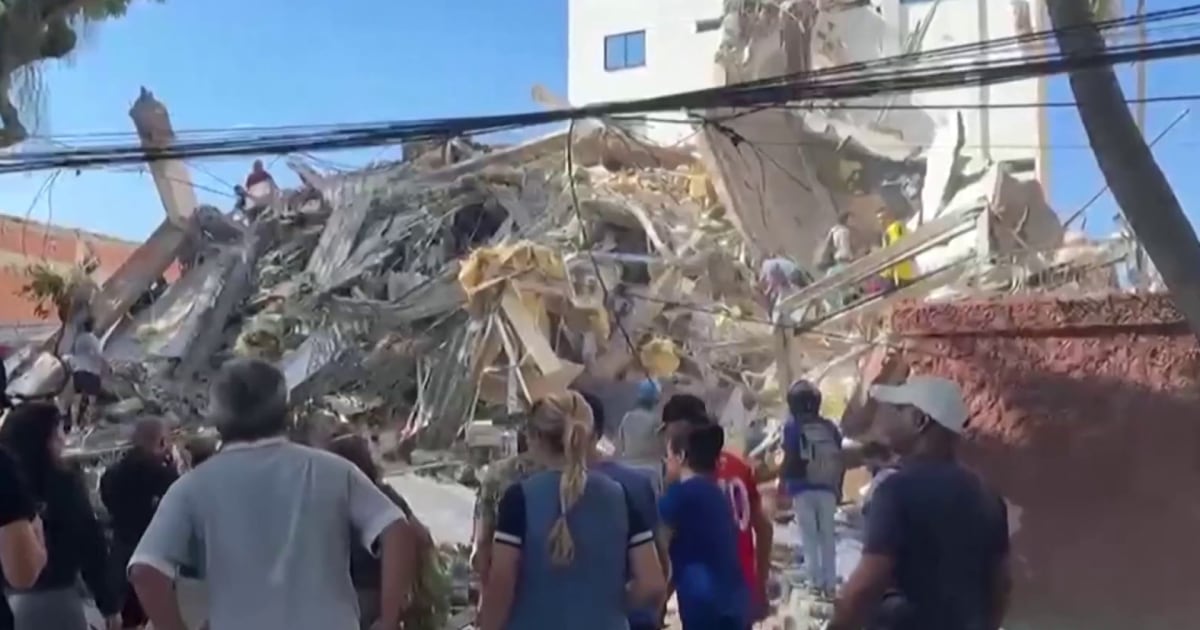
The death toll from a powerful 7.4-magnitude earthquake that struck western Colombia has risen to 111, according to an address delivered by the country’s president. The disaster has triggered widespread infrastructure damage, structural collapses across multiple cities, and significant aviation disruptions.
Colombian President Abelardo de la Espriella announced the updated casualty figures roughly six hours after the seismic event struck early on Monday morning. Speaking from Bogota, the president stated that the national state of emergency is now in effect, with rescue operations prioritizing individuals trapped beneath rubble. According to government figures provided during his address, the disaster has left 87 people injured, 1,575 homes damaged, 37 homes completely destroyed, and 61 buildings collapsed.
The United States Geological Survey (USGS) recorded the magnitude at 7.4, noting that the earthquake struck at a depth of approximately 107 kilometers. The epicenter was located on the eastern tip of the Choco province, just south of the Tatama National Nature Reserve near the border, roughly equidistant from Bogota, Medellin, and Cali.
Emergency Response and Local Impacts Across Western Colombia
Local officials across the affected regions reported severe localized devastation as emergency services deployed to search for survivors. In Cali, Mayor Alejandro Eder stated on Instagram that at least 20 structures had collapsed within the city limits, trapping residents inside. Eder confirmed that municipal agencies were coordinating rescue efforts alongside external personnel requested from Bogota and Medellin.
Additional reports from regional authorities highlighted heavy impacts in neighboring areas. Officials in Valle del Cauca documented at least 27 fatalities prior to the presidential address, while Risaralda reported 40 deaths statewide, including 18 in its capital, Pereira. In the Choco province, Governor Nubia Carolina Cordoba-Curi confirmed 12 deaths and 84 injuries. Meanwhile, Mayor Jorge Eduardo Rojas of Manizales reported two fatalities in his city after tremors damaged a tower at the Cathedral of Manizales.
Infrastructure networks suffered extensive disruptions following the mainshock and subsequent aftershocks. Colombia’s civil aviation authority suspended air operations at multiple regional terminals—including Pereira, Manizales, Quibdo, Armenia, Cartago, Buenaventura, and Cali—to inspect infrastructure for structural compromises. Tremors were also felt across international borders, reaching neighboring Ecuador, Panama, and Venezuela.
International Reactions and Safety Advisories
International observers mobilized in response to the catastrophe as diplomatic channels opened lines of communication with Bogota. United States Secretary of State Marco Rubio stated that Washington is closely monitoring the unfolding situation and stands ready to support the people of Colombia.
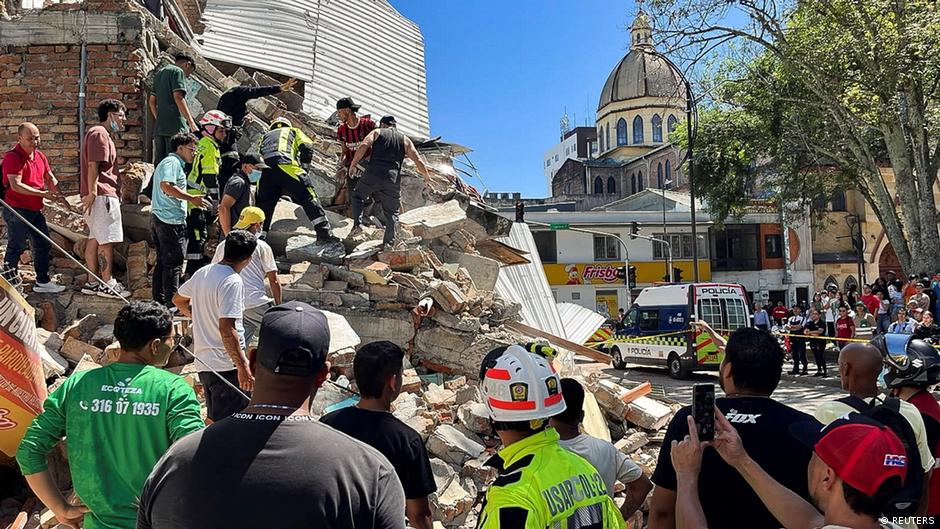
Authorities have urged residents in affected zones to remain clear of compromised structures and to monitor official channels for updates regarding structural safety assessments and emergency shelter locations. Civil protection agencies continue to clear debris and restore lines of communication in heavily impacted rural and urban sectors.
Official updates regarding recovery efforts, casualty figures, and infrastructure repairs are expected to be released periodically as rescue teams complete their sweeps.