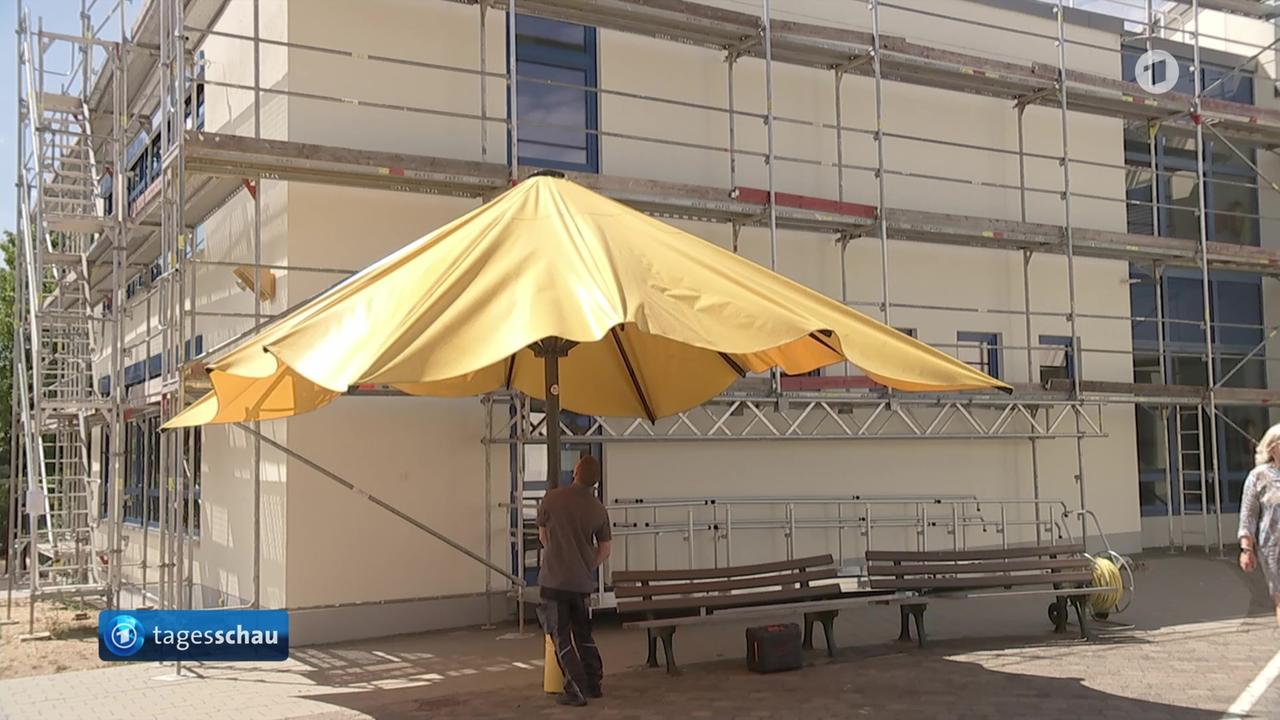
Rising global temperatures and increasingly frequent heatwaves have exposed a critical vulnerability in public infrastructure, leaving students across Europe facing severe health risks inside overheated classrooms. As school buildings built decades ago lack modern climate control, adequate insulation, or effective shading systems, indoor temperatures routinely climb well past comfortable learning thresholds during late spring and early autumn months. Educational authorities, municipal governments, and public health officials are under mounting pressure to retrofit aging facilities before extreme weather events disrupt the academic calendar entirely.
The core challenge lies in the structural design of mid-to-late 20th-century school properties, which often feature expansive single-pane windows, flat tar roofs, and minimal cross-ventilation. When outdoor thermometers surge, these facilities trap solar heat, creating stifling indoor microclimates where concentration drops and heat-related illnesses become a genuine hazard. Medical experts note that children are physiologically more vulnerable to heat stress than adults because their bodies regulate temperature less efficiently, making prolonged exposure in poorly ventilated rooms a serious health and safety concern for school administrators.
Addressing the crisis requires substantial capital investment from regional and national governments to upgrade ventilation infrastructure, install external window shutters, and plant surrounding greenery to reduce the urban heat island effect around school grounds. While some municipalities have launched emergency pilot projects to distribute mobile fans or adjust school hours during peak heat warnings, parent advocacy groups argue that piecemeal measures fall short of the comprehensive structural overhauls needed to future-proof educational facilities for decades to come.
Infrastructure Deficits in Aging School Buildings
Most public school portfolios consist of buildings erected during post-war construction booms when energy efficiency and thermal comfort standards bore little resemblance to modern architectural requirements. According to municipal property reports, concrete and brick structures absorb solar radiation throughout the day and slowly release it inward, keeping classrooms uncomfortably warm well into the evening hours. Without mechanical ventilation systems or automated cooling loops, teachers must rely entirely on manual window operation, which often fails to generate sufficient airflow in densely packed urban environments.
Retrofitting these older facilities presents significant logistical and financial hurdles for local councils responsible for school maintenance budgets. Modernizing a single school building with smart ventilation, reflective roof coatings, and insulated facades can cost millions of euros, forcing cash-strapped local authorities to prioritize emergency repairs over preventive climate adaptation. Consequently, disparities widen between affluent districts capable of funding private upgrades and underfunded municipalities where students endure extreme thermal conditions year after year.
Health Risks and Educational Impact on Students
Prolonged exposure to high ambient temperatures inside classrooms directly impairs cognitive function, memory retention, and behavioral control among school-aged children. Educational psychologists point out that stifling heat accelerates mental fatigue, making it difficult for students to follow complex instructions or perform standardized testing effectively. Beyond academic setbacks, extreme indoor heat triggers physical symptoms such as dehydration, lethargy, severe headaches, and nausea, occasionally forcing schools to dismiss classes early when conditions violate workplace or public safety guidelines.
Public health agencies have repeatedly emphasized that vulnerable students, including those with pre-existing respiratory or cardiovascular conditions, face heightened risks during unseasonal heatwaves. School nurses and medical professionals advocate for mandatory temperature caps in classrooms, similar to regulations governing industrial workplaces, to legally compel local authorities to suspend classes or implement immediate cooling protocols when ambient indoor heat exceeds safe physiological limits.
Municipal Responses and Future Adaptation Strategies
In response to growing public scrutiny, several regional education ministries have begun drafting comprehensive heat-action guidelines for the upcoming academic cycles. These frameworks typically recommend flexible timetables, allowing schools to shift core academic instruction to the cooler morning hours and cancel physical education outdoors when heat alerts are active. However, critics maintain that schedule adjustments represent only a temporary fix that fails to resolve the underlying structural failures of the buildings themselves.
Long-term investment programs increasingly focus on nature-based solutions alongside technical upgrades, such as unsealing asphalt courtyards, planting mature shade trees, and installing green roofs that naturally lower ambient temperatures around school zones. As climate projections indicate that extreme heat events will arrive earlier and last longer in future years, educational planners face a narrow window to secure funding and execute structural renovations before the next major temperature spike tests public infrastructure once more.