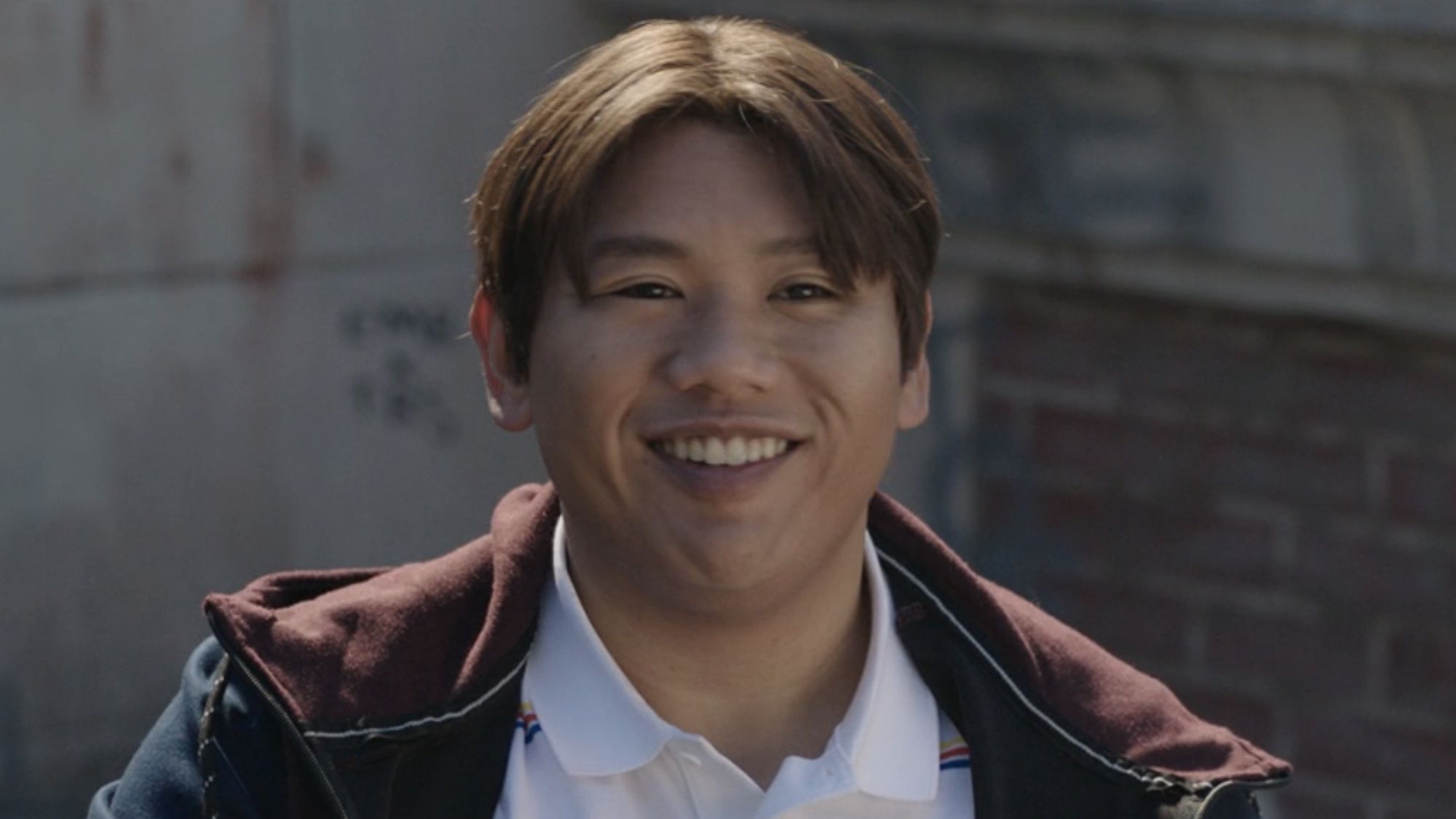
A Shrunken Role for Ned Leeds Ignites Hollywood Debate
When audiences packed theaters for Spider-Man: Brand New Day, many noticed that Ned Leeds—traditionally a fixture at Peter Parker’s side—featured significantly less in the overarching plot than in previous outings.
For years, conventional wisdom among franchise producers dictated that breakout supporting characters deserved expanded arcs and increased screen time in sequels. Yet, the creative approach behind Brand New Day demonstrates that certain personalities work far more effectively in carefully measured doses. Rather than anchoring major subplots or stretching the narrative focus away from the protagonist, Ned’s reduced presence allows the character to return to his roots as sharp, change-of-pace comedic relief.
Balancing Ensemble Casts and Intimate Hero Journeys
In the opening entries of modern superhero trilogies, characters like Ned establish a vibrant, grounded dynamic with Peter Parker. They provide essential levity, contrasting sharply with high-stakes action sequences and existential threats. However, as franchises expand, the temptation to elevate side characters into high-concept roles—such as granting them magical abilities or inserting them into every pivotal confrontation—can dilute the emotional gravity of the primary arc.
Industry observers note that cinematic universes face a constant balancing act. Screenwriters must devote the vast majority of running time to the title hero’s internal conflicts and external challenges. When supporting actors are bolted onto complex A-plots without a driving narrative necessity, the pacing can suffer. By stepping back and limiting Ned’s appearances to targeted, highly memorable beats, Brand New Day avoids the clutter that often plagues late-stage franchise sequels.
Jacob Batalon and the Power of Comedic Relief
Jacob Batalon has consistently delivered strong performances whenever called upon to expand his role within the Marvel framework. Yet, narrative structure experts emphasize that Batalon’s strongest contributions to the franchise rely on his timing as a loyal, hapless confidant. His ability to puncture mounting dramatic tension with a quick quip or an awkward observation serves a crucial structural purpose, giving audiences a brief, welcome release from relentless cinematic peril.
Robust Box Office Momentum and Future Continuity
The strategic restraint shown in handling secondary characters has done nothing to dampen commercial enthusiasm. Box office tracking and ticket sales for Spider-Man: Brand New Day reflect robust global demand, fueled by strong word of mouth and widespread social media buzz. Studios are already looking toward future installments, weighing how to map out the next chapters of Peter Parker’s life before determining where—or if—legacy supporting figures fit into the evolving continuity.
For franchise architects, the primary question remains where the central hero’s path leads next. Once a definitive emotional trajectory is mapped for Parker, writers can evaluate how characters like Ned or MJ naturally intersect with that journey. This deliberate approach ensures that every scene earns its place on screen.
Anticipating Official Announcements and Next Chapters
As studios finalize development on subsequent sequels and future narrative arcs, fans await official announcements regarding casting and production schedules. Share your thoughts on how modern blockbusters handle supporting casts in the comments below, and join the conversation on our social channels.