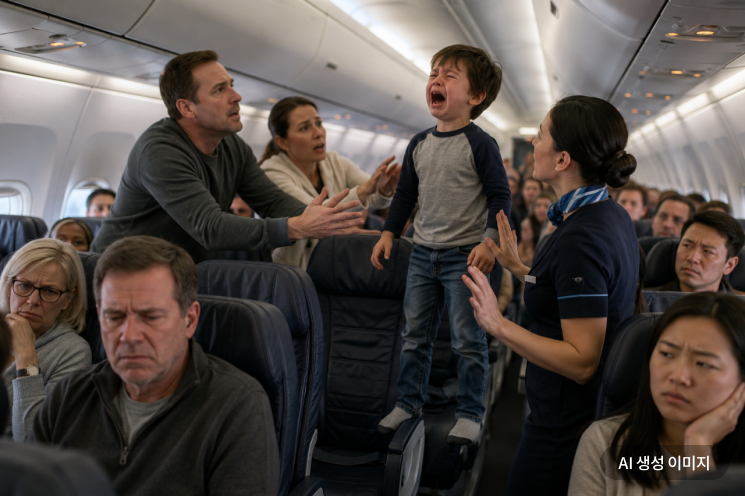
An aviation incident at a Canadian airport resulted in an unexpected flight cancellation after a young child passenger refused to sit in a designated passenger seat and declined to wear a mandatory safety belt. The disruption highlights strict commercial aviation safety regulations regarding passenger compliance and seat occupancy before departure.
Commercial airlines operate under strict regulatory frameworks established by civil aviation authorities, which mandate that every individual passenger—regardless of age—must occupy their own seat and secure a safety belt during taxiing, takeoff, and landing. When a passenger, including an infant or minor child, refuses compliance, flight crews face mandatory safety protocols that preclude departure until the cabin is fully secured.
Aviation safety experts emphasize that lap-holding infants or allowing unrestrained children during critical phases of flight introduces severe safety hazards during turbulence or emergency maneuvers. Consequently, gate agents and flight attendants enforce seating policies strictly, leaving little operational flexibility when families encounter behavioral challenges during boarding.
Commercial Aviation Seating Regulations for Minors
Transport Canada and international civil aviation bodies require all passengers over a certain age—typically two years old—to occupy an individual seat. Children under two may travel on an adult’s lap using a specialized lap belt or in an approved child restraint system (CRS) secured in their own purchased seat. Safety campaigns consistently advocate for dedicated car seats on aircraft to provide optimal protection.
When a passenger actively resists seat occupancy, flight crews must attempt to resolve the issue while the aircraft remains parked at the gate. Delays caused by passenger non-compliance can quickly cascade, impacting airline schedules, crew duty time limitations, and connecting passengers. If de-escalation efforts fail, captains possess the ultimate authority to remove disruptive individuals from the aircraft to maintain operational safety.
Operational and Schedule Impacts of Passenger Disruption
Airlines manage numerous departure delays daily, but passenger refusals involving safety equipment compliance often necessitate immediate gate returns or cancellations. Crew scheduling rules, known as time-out regulations, limit how long flight attendants and pilots can legally remain on duty. A prolonged boarding dispute can push a flight crew past their legal working hours, rendering a prompt turnaround impossible and forcing a full cancellation.
Ground handling staff work to rebook affected passengers on subsequent itineraries, though peak travel periods can limit available seat capacity. Airlines also provide logistical support or accommodations depending on the circumstances of the cancellation and tariff regulations. Industry analysts note that while passenger frustration over canceled travel is high, crew adherence to non-negotiable safety mandates remains legally absolute.
Next Steps for Passenger Compliance and Airline Policies
Airlines continue to update family travel guidelines and resources to help parents prepare young children for commercial flight environments. Families planning air travel are encouraged to review specific carrier policies regarding child restraint devices and ticketing requirements before arriving at the terminal. Official updates and travel advisories from regulatory bodies remain accessible through the Transport Canada aviation portal.