The directive alters national immunization guidelines by splitting combination shots, removing universal recommendations for several common vaccines, and linking the policy changes to claims about autism rates.
Under the new administrative guidelines detailed by Financial News, federal health agencies will no longer universally recommend 6 of the 17 conditions previously tracked under guidelines from the U.S. Centers for Disease Control and Prevention. The revised schedule retains universal recommendations for 11 targeted illnesses: measles, mumps, rubella, diphtheria, tetanus, pertussis, polio, Haemophilus influenzae type b (Hib), pneumococcal disease, human papillomavirus (HPV), and varicella (chickenpox).
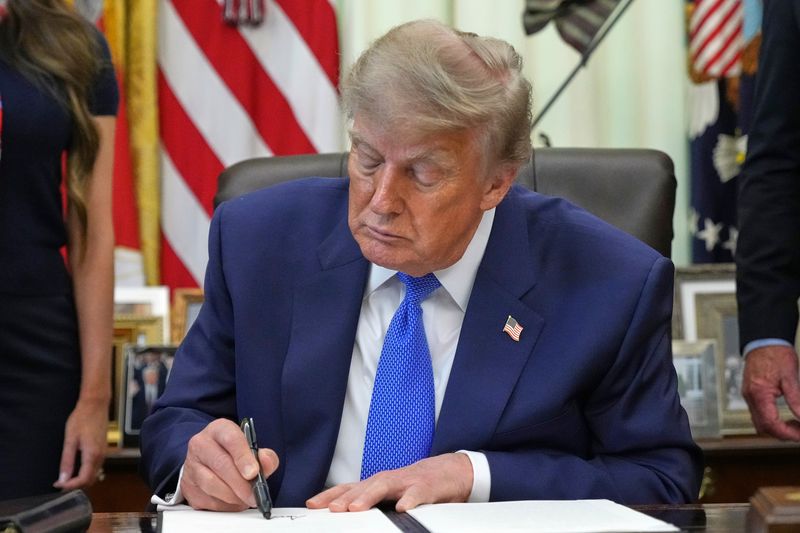
Speaking from the Oval Office during the signing ceremony, Trump asserted that modern vaccination schedules involve significantly more doses than those administered decades ago. However, mainstream medical and scientific organizations maintain that there is no credible scientific link between vaccines and autism spectrum disorder.
Changes to Combination Shots and Vaccination Schedules
The executive order mandates a restructuring of how immunizations are administered, notably separating the measles, mumps, and rubella (MMR) combination vaccine into individual components given at different times, as reported by Financial News. Universal recommendations for the COVID-19, hepatitis B, and influenza vaccines have also been removed, shifting those immunizations to targeted high-risk groups or “shared clinical decision-making” between physicians and parents.
Outlining the new dosing intervals, Financial News noted that the administration recommends spreading out shots during an infant’s first year of life so that children receive smaller fractions of cumulative vaccine doses during individual medical visits. Trump stated that dividing the schedule across five separate visits would reduce the physical load on infants, adding that he utilized a similar spaced approach with his own children.
Medical professionals have voiced strong concerns regarding the altered schedules. Furthermore, AP reported that single-antigen vaccines for measles, mumps, and rubella are currently difficult to source within the United States.
Legal Framework and Federal-State Jurisdictions
The practical implementation of the executive order faces significant legal and jurisdictional hurdles. The New York Times reported that the legal effect of the directive remains unclear because state governments—rather than federal agencies—retain the ultimate authority to mandate vaccinations for school attendance and public enrollment.
This federal push follows earlier legal challenges against administration immunization policies; in March, a federal judge granted a preliminary injunction requested by the American Academy of Pediatrics and six other medical organizations, temporarily halting a prior CDC attempt to narrow pediatric vaccine recommendations.
What are your thoughts on the revised vaccination guidelines and their potential impact on public health? Share your perspective in the comments below.
Related reading