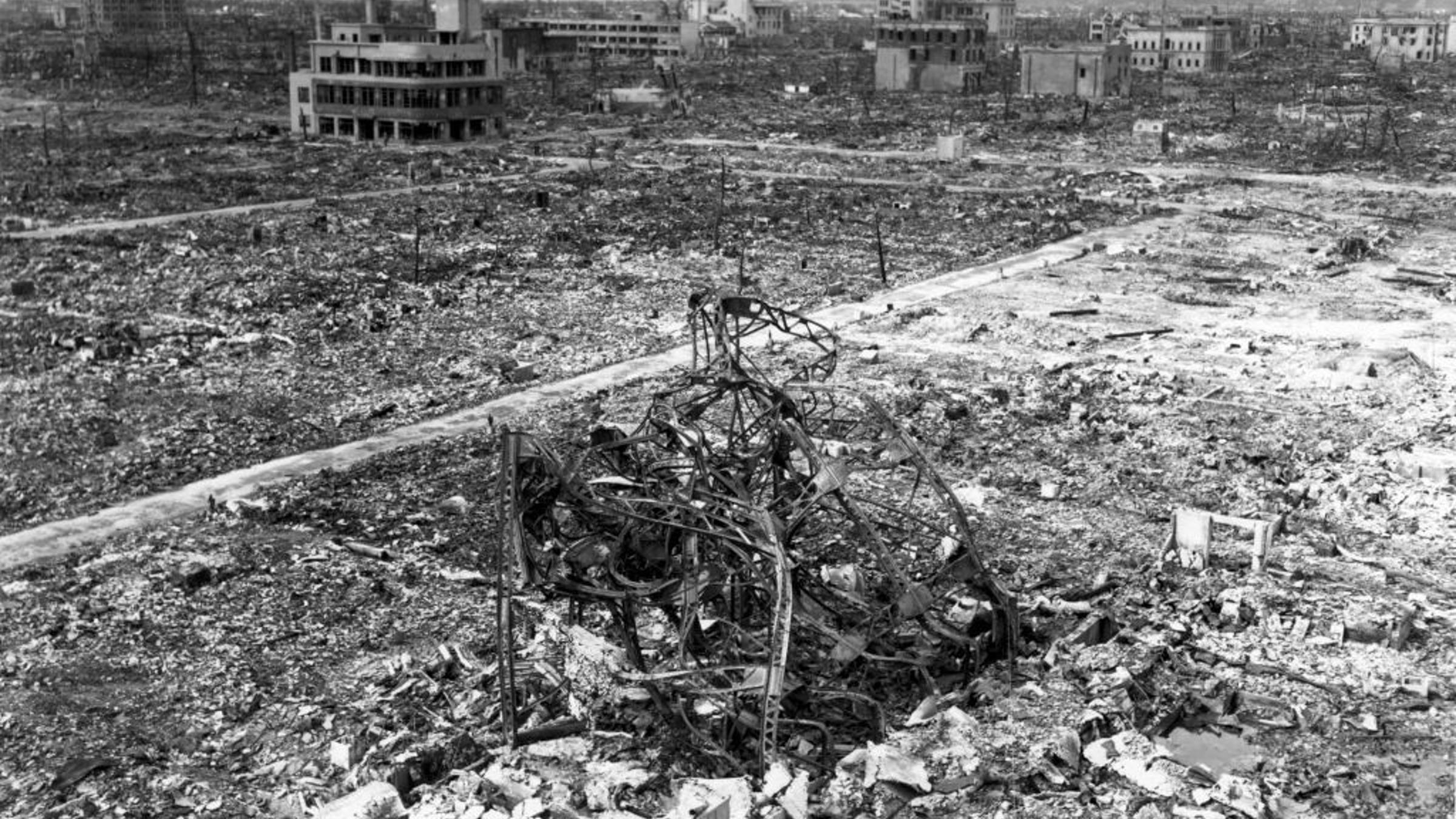
Eighty-one years after the United States dropped an atomic bomb on Nagasaki on August 9, 1945, the historic legacy of the second wartime nuclear strike remains frequently overshadowed by public focus on Hiroshima. According to historical analyses and museum visitor metrics, Hiroshima stands as the universal symbol of the atomic age, while Nagasaki draws a fraction of global attention and public commemoration.
Historical records show that while the August 6 bombing of Hiroshima obliterated nearly five square miles and resulted in approximately 140,000 deaths from the blast and subsequent radiation effects, Japan’s Supreme War Council did not immediately surrender. Military leaders believed they could withstand an invasion of the home islands, anticipating high American casualties during Operation Olympic, the planned November 1945 invasion of Kyushu approved by President Harry Truman, according to Pentagon estimates from July 1945.
The strategic deadlock within Tokyo’s leadership broke only after the atomic bomb dropped on Nagasaki 75 hours after the Hiroshima attack resulted in 73,000 deaths. Faced with the realization that the United States could possess multiple weapons and systematically destroy Japanese cities without an amphibious invasion, Japan’s leadership confronted the collapse of its military strategy. Following a three-to-three deadlock within the Supreme War Council, Emperor Hirohito intervened personally to demand acceptance of unconditional surrender terms.
Historical Divergence in Wartime Memory
Public remembrance of the atomic bombings of World War II has long favored Hiroshima as the primary focal point of global anti-nuclear education and commemoration. Museum attendance data underscores this disparity. In 2025, Hiroshima’s Peace Memorial Museum welcomed over 2.5 million visitors, whereas Nagasaki’s counterpart recorded fewer than 900,000 visitors, according to regional tourism and cultural records.
Historians emphasize that while Hiroshima marked the terrifying dawn of nuclear warfare, it was the twin destruction of two cities within three days that dismantled Tokyo’s military calculus. Japan’s military infrastructure had already suffered severe degradation by the summer of 1945, with a naval blockade strangling critical imports of food and fuel, and conventional incendiary raids reducing 64 cities to ash. Despite these losses, military planners maintained a force of 5 million personnel under arms, banking on a strategy of inflicting severe casualties on invading Allied forces to force negotiated peace terms rather than unconditional surrender.
The Decision to Intervene and End the War
The deployment of the second atomic weapon on Nagasaki shattered the belief among Japanese military leadership that the United States possessed only a single atomic device. Faced with a rapidly deteriorating situation and the prospect of continuous bombardment, the nation’s political structure faced an unprecedented crisis.
The ensuing political impasse within the six-member Supreme War Council could not be resolved through standard cabinet procedures. The deadlock was broken only when Emperor Hirohito took the extraordinary step of intervening directly in state decision-making to order the acceptance of surrender terms. Historical evaluations maintain that while the moral horror and immense human suffering of both bombings remain a profound tragedy, the tactical and psychological shock delivered by the Nagasaki bombing provided the decisive catalyst that ended World War II.