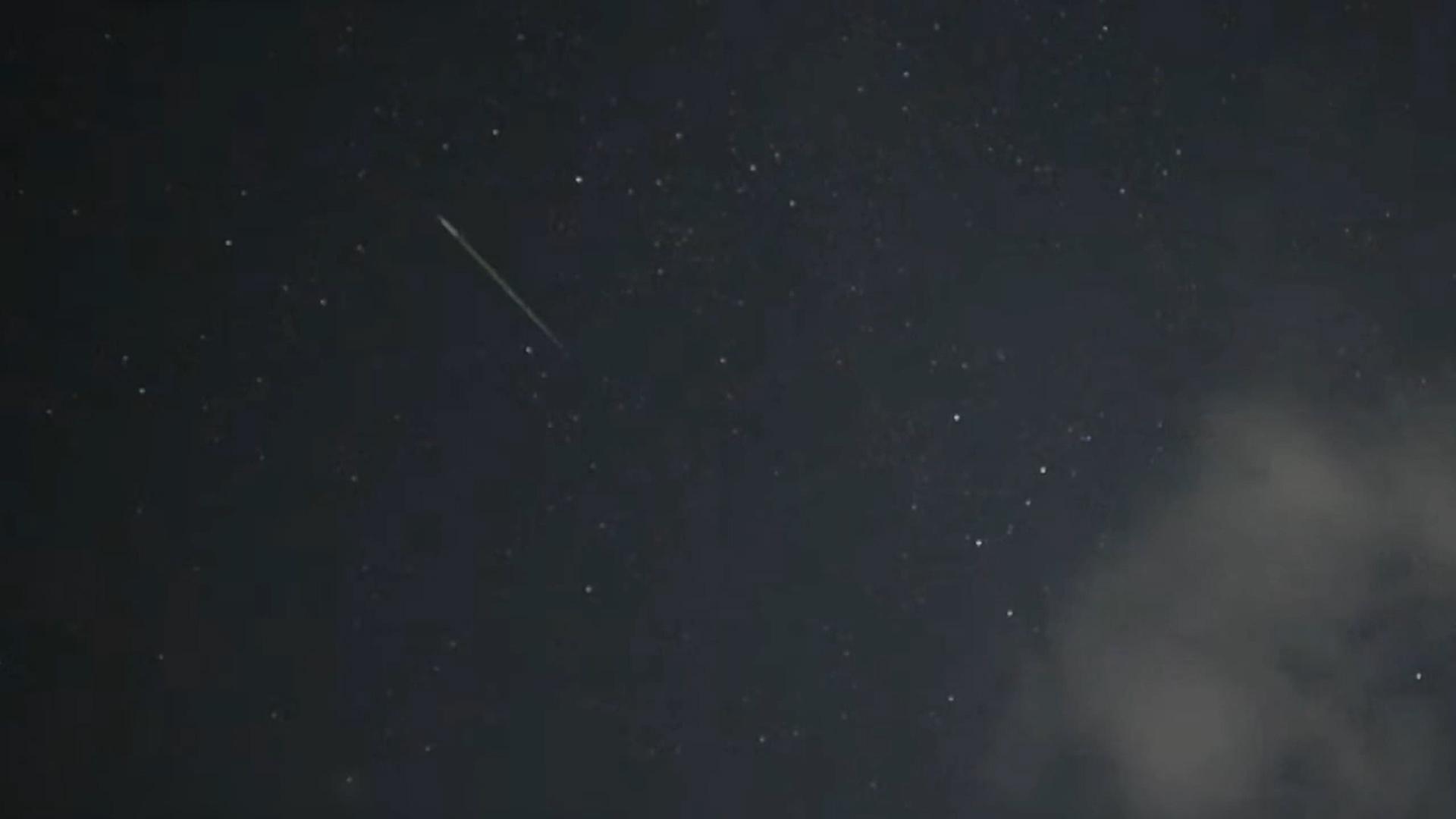
Swift-Tuttle Debris Slams Into Atmosphere at 37 Miles Per Second
Stargazers around the globe are preparing for the annual Perseid meteor shower. The event reaches its peak activity overnight, bringing dozens of shooting stars per hour to the night sky under optimal observing conditions. According to NASA, the Perseids remain one of the most reliable and prolific meteor showers of the year. They are active from mid-July through late August as the Earth passes through the orbital path of the Swift-Tuttle comet.
The cosmic display is created when debris left behind by Comet 19P/Swift-Tuttle collides with the Earth’s upper atmosphere. The particles travel at speeds of roughly 37 miles per second, vaporizing into bright streaks of light. While the shower runs for weeks, astronomy associations advise that the peak night offers the highest density of meteors. It often features bright fireballs that leave glowing trails across the dark sky for several seconds.
The 133-Year Orbital Journey of Comet 19P/Swift-Tuttle
The source of the Perseid meteor shower is Comet Swift-Tuttle. This large periodic comet was discovered independently by Lewis Swift and Horace Parnell Tuttle in 1862. According to NASA science briefings, the comet orbits the sun approximately every 133 years. It leaves a vast trail of dust and rocky debris scattered along its orbital path.
Every year between July and August, Earth intersects this debris stream. The tiny particles range in size from a grain of sand to a small pebble. They slam into the atmosphere, creating kinetic friction that superheats the air and produces the luminous flashes known as shooting stars. Because the radiant point of the shower appears to originate from the constellation Perseus, the celestial event bears its traditional name.
Why Binoculars and Telescopes Hinder Your View
For optimal viewing, astronomers recommend traveling to dark-sky locations away from urban light pollution. Observers should allow at least 20 to 30 minutes for human eyes to adjust to the dark. Binoculars and telescopes are unnecessary. The meteors streak across vast expanses of the sky and are best witnessed with the unaided eye while reclining comfortably on a lawn chair or blanket.
Pre-Dawn Hours Offer the Highest Meteor Rates
Observing conditions vary by geographic region. However, global astronomy networks emphasize that the hours just before dawn provide the highest meteor rates. As the rotation of the Earth turns the observer toward the direction of orbital travel, the apparent frequency of visible meteors increases significantly.
Viewers do not need to look directly at the constellation Perseus to spot the meteors. Meteors will streak across all parts of the night sky. Looking toward darker overhead areas away from the radiant point often yields longer, more prominent trails. Weather forecasts and local cloud cover remain the primary factors determining visibility for backyard astronomers and night-sky enthusiasts.
The next major astronomical milestones for skywatchers include upcoming planetary conjunctions and subsequent annual meteor showers later in the autumn season, providing continuous opportunities for public stargazing and scientific observation.
Keep reading