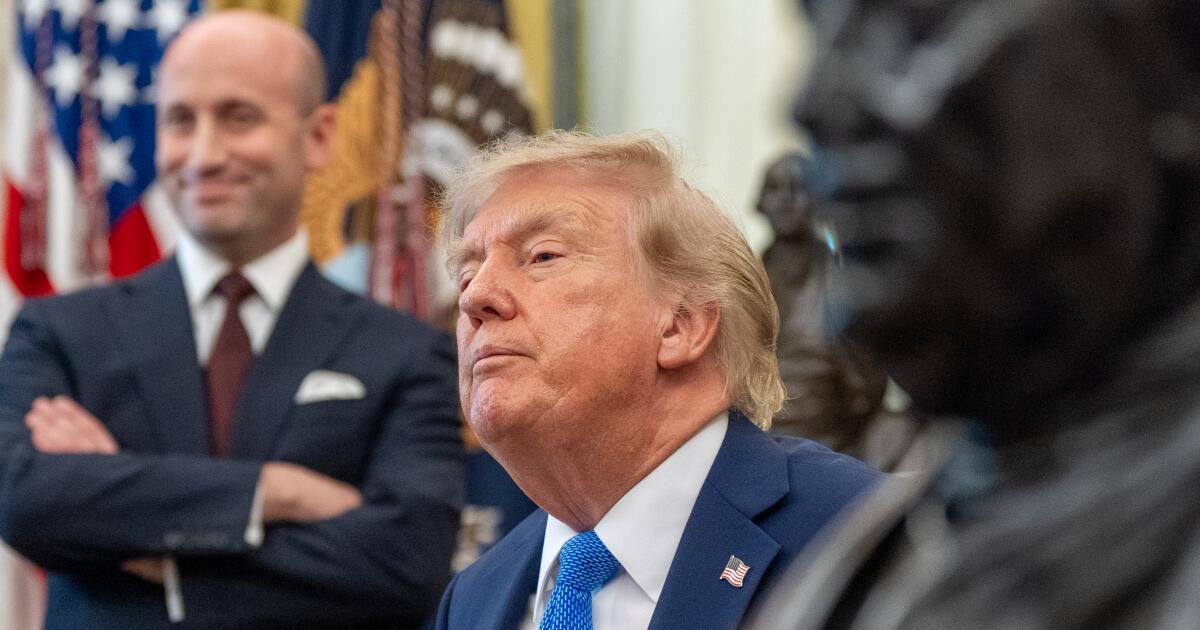
President Donald Trump vowed to pursue alternative strategies to restrict birthright citizenship after the U.S. Supreme Court struck down his executive order in a 6-3 ruling on Tuesday. According to NBC News, the high court’s decision invalidated a core immigration initiative signed by Trump on his first day back in office, prompting the administration and congressional allies to immediately consider legislative and constitutional paths forward.
The defeated executive order would have limited birthright citizenship solely to children born in the United States with at least one parent who is a U.S. citizen or permanent resident. Under the directive, children born to temporary visitors, student visa holders, work permit holders, or undocumented immigrants would not have received automatic citizenship at birth. Five of the six justices in the majority ruled that the policy ran afoul of the 14th Amendment, which states that all persons born or naturalized in the United States, and subject to the jurisdiction thereof, are citizens of the United States. Justice Brett Kavanaugh, a Trump appointee, concluded that the order violated federal law rather than the Constitution.
Addressing the ruling on Truth Social, Trump called the decision unfavorable for the country while outlining his plans for a legislative fix. “The Supreme Court upheld Birthright Citizenship, which is too bad for our Country, but we can easily make it up in Congress through Legislation, with the support of the President, that has now been determined during this process,” Trump wrote, adding that Congress should begin working on the matter immediately without needing a lengthy constitutional amendment.
Legislative Roadblocks and Congressional Headwinds in the Senate
Passing a federal statute to restrict birthright citizenship faces immense procedural barriers in Capitol Hill. As reported by NBC News, Senate Republicans hold 53 seats, meaning any legislative effort would require 60 votes to overcome a filibuster, or a successful vote to eliminate the legislative filibuster entirely. Senate Majority Leader John Thune has repeatedly stated that Republicans do not possess the votes required to change Senate rules in that manner.
Sen. John Cornyn, R-Texas, noted on X that enacting a constitutional amendment requires passage by a two-thirds supermajority in both houses of Congress followed by ratification from three-fourths of state legislatures. Despite the steep math, key congressional allies signaled intent to advance measures reflecting the administration’s goals. Sen. Eric Schmitt, R-Mo., announced plans to introduce a constitutional amendment designed around the defeated executive order, stating that the nation must limit citizenship to individuals who owe allegiance to the United States.
White House deputy chief of staff Stephen Miller sharply criticized the high court’s ruling on X, describing it as one of the most destructive decisions in the history of the judiciary and asserting that American citizenship belongs exclusively to Americans.
Background and Legal Precedent on the 14th Amendment
The legal battle represents the culmination of a high-profile challenge against executive authority on immigration. Trump’s involvement in the case included attending oral arguments at the Supreme Court in April, marking a rare appearance by a sitting president during court proceedings. Lower courts had quickly placed injunctions on the executive order after it was signed, preventing enforcement while the legal challenge moved through the judiciary.
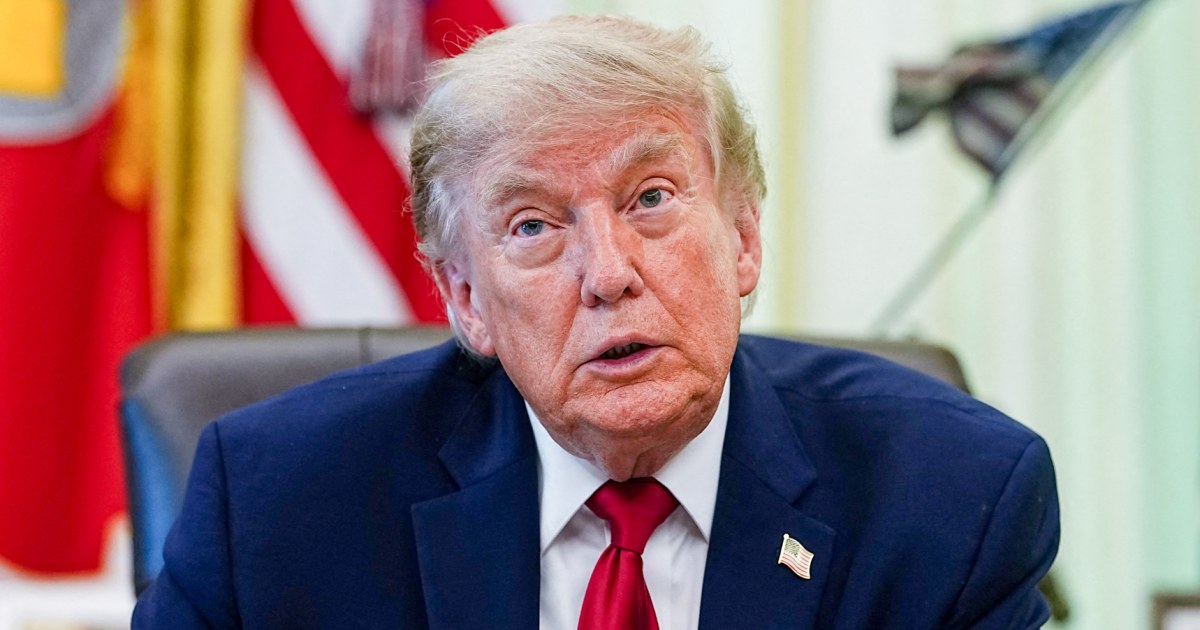
Wong Kim Ark. Tuesday’s ruling reaffirms that interpretation, leaving the administration dependent on congressional action or a constitutional amendment to alter birthright citizenship criteria.
What are your thoughts on the Supreme Court’s ruling and the legislative proposals to follow? Join the conversation and share your perspective in the comments below.
Related reading
- Climate Debate Fails to Impact Swiss Consumer Habits, Study Shows
- Trump-Backed Paula Copenhaver Leads Indiana Senate Race After Recount Flips Results
- Tariff vs. Price Floor: What Trump's New Solar Rule Does (daybreakwire.com)
- Fact Check: Trump Repeats Debunked Vaccine and Autism Claims (news-usa.today)