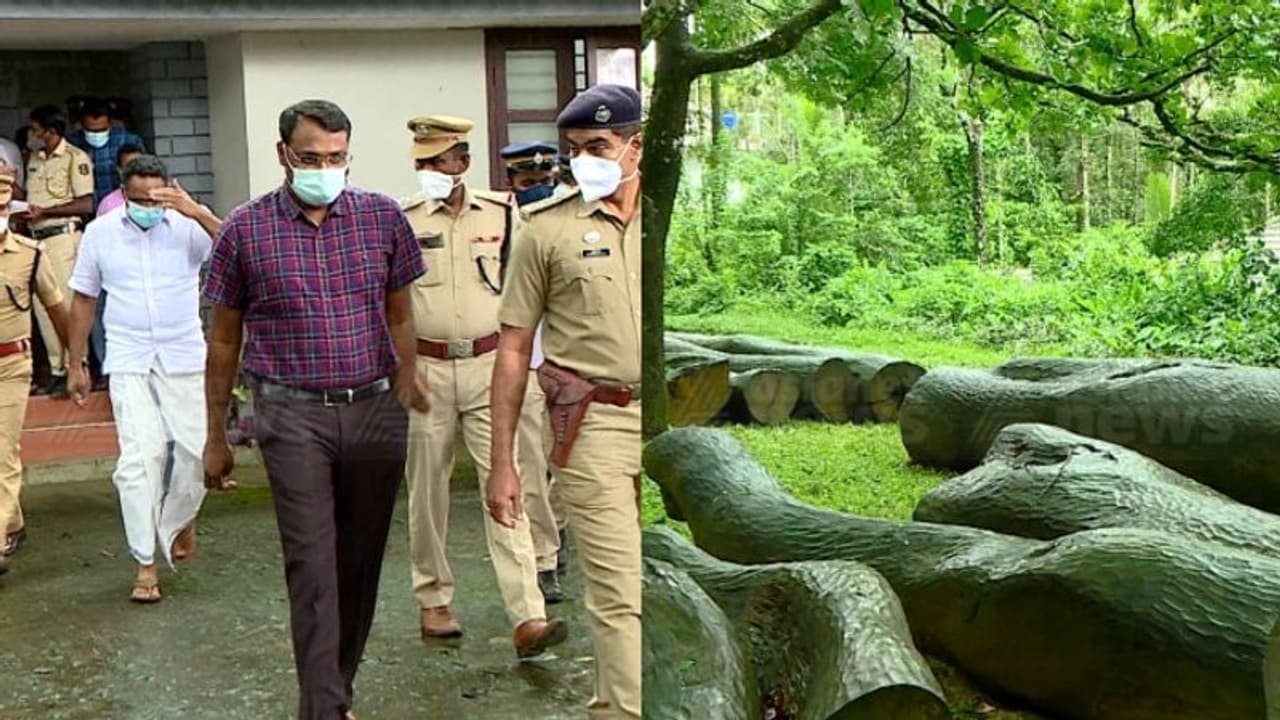
The Chottanikkara Magistrate Court has issued a non-bailable arrest warrant against the Augustine brothers—Roji, Anto, and Josukutty—after they failed to appear for court proceedings in the high-profile Muttil tree-felling case involving allegations of criminal breach of trust.
The legal pressure intensified for the defendants as local judicial authorities moved to enforce court appearances. The ongoing legal battle stems from a criminal case registered by the Ambalamedu police in Ernakulam district.
High Court Dismissals Precede the Magistrate’s Warrant
The latest warrant follows a series of unsuccessful legal challenges mounted by the brothers to dismiss the charges. According to court reporting, the Kerala High Court previously dismissed petitions filed by Roji Augustine, Anto Augustine, and Josukutty Augustine that sought to invalidate the criminal breach of trust allegations against them. The defendants had argued that a special transit pass, known as Form 3, was not required to transport the timber, and therefore the charges could not legally stand.
Subsequent review petitions fared no better. Justice G. Gireesh declined to interfere with the Chottanikkara Magistrate Court’s order issued on February 26, 2026, which had rejected the accused parties’ requests to be discharged from the case. The bench determined that prima facie evidence of cheating existed, thereby allowing proceedings under Section 420 of the Indian Penal Code to move forward.
Origins of the Malabar Timber Dispute
The controversy centers on timber illegally felled from the Meppadi forest range area in Wayanad. Investigators state that the accused parties transported the timber and sold it to a timber company owner in Ernakulam, allegedly convincing the buyer that valid forest department passes covered the load.
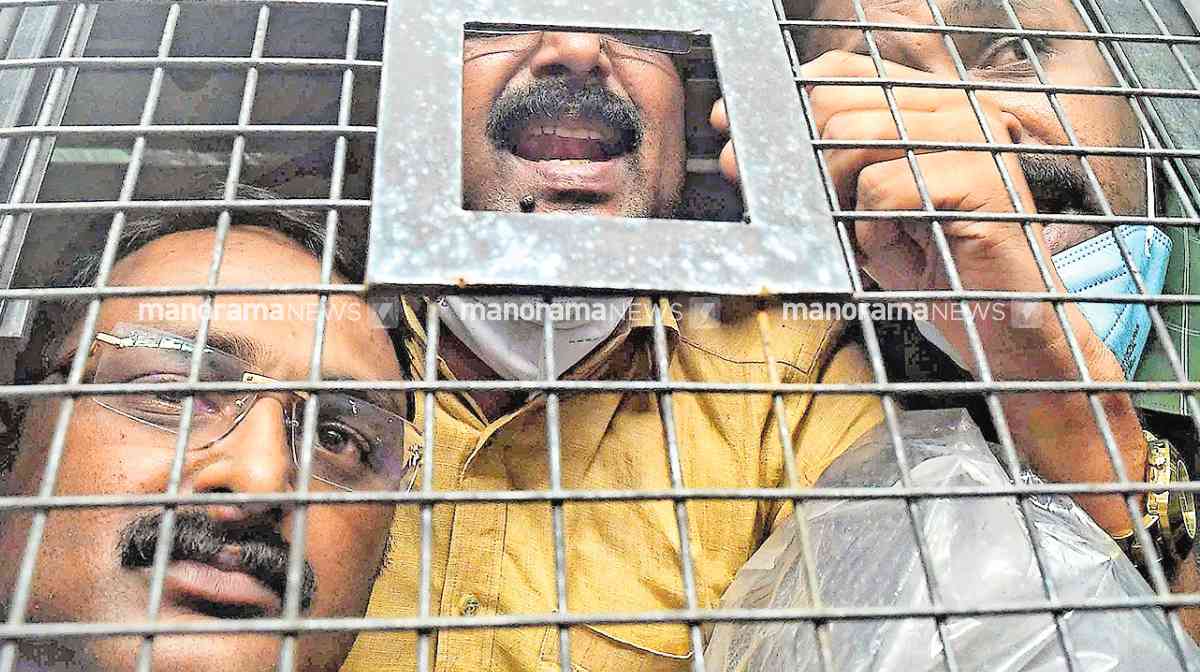
Law enforcement officials charged the three brothers with breach of trust and cheating, asserting that the defendants misused forest documentation to deceive the buyer. With the high court refusing to quash the lower court’s decisions and the defendants failing to make their mandated court appearances, the magistrate court enforced the warrants to compel compliance with the judicial process.
Worth a look