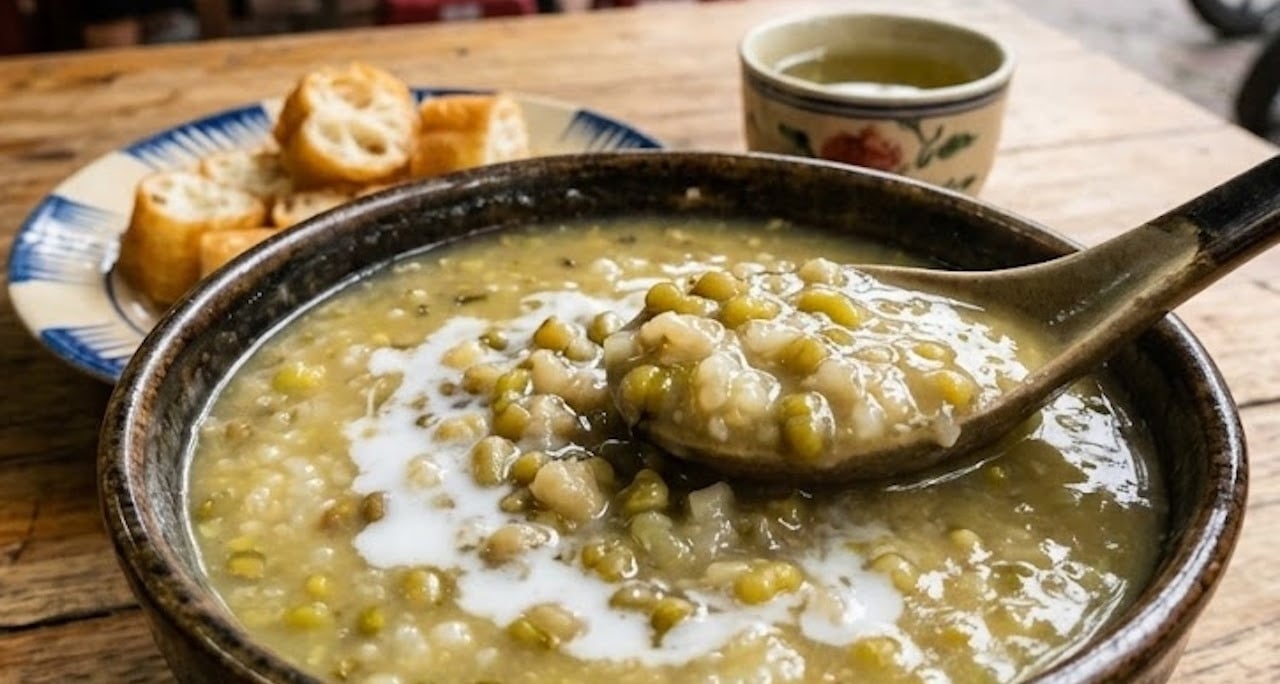
When comparing traditional comfort foods, common assumptions about nutritional density do not always align with laboratory data. Recent dietary analyses and public health data regarding traditional porridges highlight an unexpected nutritional reality: mung bean porridge often packs a higher caloric punch than pork rib porridge, depending heavily on preparation methods, fat content, and ingredient density.
For individuals managing daily caloric intake or monitoring blood glucose levels, understanding the composition of these staple dishes matters. According to nutritional guidelines from public health authorities, traditional porridges prepared with legumes frequently concentrate more energy per serving than lean meat variations due to the intrinsic lipid and carbohydrate profiles of the beans themselves.
The distinction between legume-based porridges and meat-based porridges involves examining how macronutrients distribute across ingredients. Mung beans, or Vigna radiata, are nutrient-dense legumes packed with complex carbohydrates, plant-based proteins, and natural oils, especially when cooked whole with their skins or combined with added fats. When processed into a smooth, rich porridge, these components compound the overall energy density of the bowl.
Nutritional Composition of Mung Bean Porridge
Mung bean porridge—widely consumed across various Asian culinary traditions for its cooling properties and high fiber content—undergoes significant transformation during cooking. Whole mung beans contain substantial amounts of starch and dietary fiber. When simmered down into a thick, velvety broth, the starches gelatinize, making the carbohydrates readily available and increasing the effective caloric density per standard cup.
Data compiled by food science researchers indicate that traditional preparations often incorporate coconut milk, sesame oil, or rendered fats to enhance flavor and texture. These additions elevate the fat content considerably. Dietary tracking resources note that a standard portion of rich mung bean soup or porridge can easily surpass lighter meat broths in total kilocalories, challenging the common perception that meat-free dishes automatically equate to lower energy values.
Evaluating Pork Rib Porridge Variations
Conversely, pork rib porridge relies on a base of white rice simmered in a meat broth, supplemented by chunks of pork rib meat. While pork ribs contain saturated fats, the actual amount of meat dissolved into the rice broth during home-style simmering varies. Lean cuts of pork rib, when boiled down and skimmed of excess surface grease, produce a broth that can be surprisingly moderate in total lipids.
According to dietary composition databases, white rice porridge provides easily digestible carbohydrates, but unless heavy oils or fatty cuts are utilized, the baseline caloric load per bowl remains comparable to or lower than a heavily enriched legume porridge. Portion size and the ratio of rice grains to liquid play vital roles in determining the final energy count of any meat-based congee.
Public Health Guidance and Dietary Choices
Registered dietitians emphasize that caloric comparisons alone do not dictate the overall healthfulness of a meal. Mung beans offer superior levels of dietary fiber, micronutrients such as folate and potassium, and sustained energy release compared to polished white rice. These elements support digestive health and cardiovascular wellness, making mung bean dishes a nutrient-dense choice despite their higher calorie count.
Consumers seeking specific nutritional outcomes are advised to consult official dietary frameworks provided by national health ministries or certified nutritionists. Reviewing detailed ingredient labels and understanding preparation techniques remain the most reliable methods for tracking daily nutritional intake. For further guidance on balanced meal planning, readers can consult resources provided by the World Health Organization.
Official updates on food science research and nutritional standards continue to be published through academic medical centers and public health portals. Interested individuals can monitor upcoming dietary guideline revisions slated for release later this year through government health agency portals.
We invite our readers to share their thoughts or experiences with traditional porridges in the comments section below, and feel free to share this article to help spread nutritional awareness.
Related reading